The morning of 21 March 1960 was bright and unseasonably warm in Sharpeville, a township south of Johannesburg. Thousands of Black South Africans were converging on the local police station to protest the dreaded pass laws — legislation that required them to carry reference books controlling every aspect of their movement and employment. By day's end, 91 people lay dead and more than 300 were wounded in a barrage of police gunfire that would etch Sharpeville into history as one of apartheid's darkest moments.
More than 63 years later, that history is back in court. Surviving victims and families of those killed have launched a legal claim against the South African government, seeking damages and an official acknowledgment of liability for the massacre. The suit, reported by The Guardian, BBC, Bloomberg and News24, represents a landmark attempt to hold the post-apartheid state accountable for crimes committed by its predecessor.
Who is bringing the case?
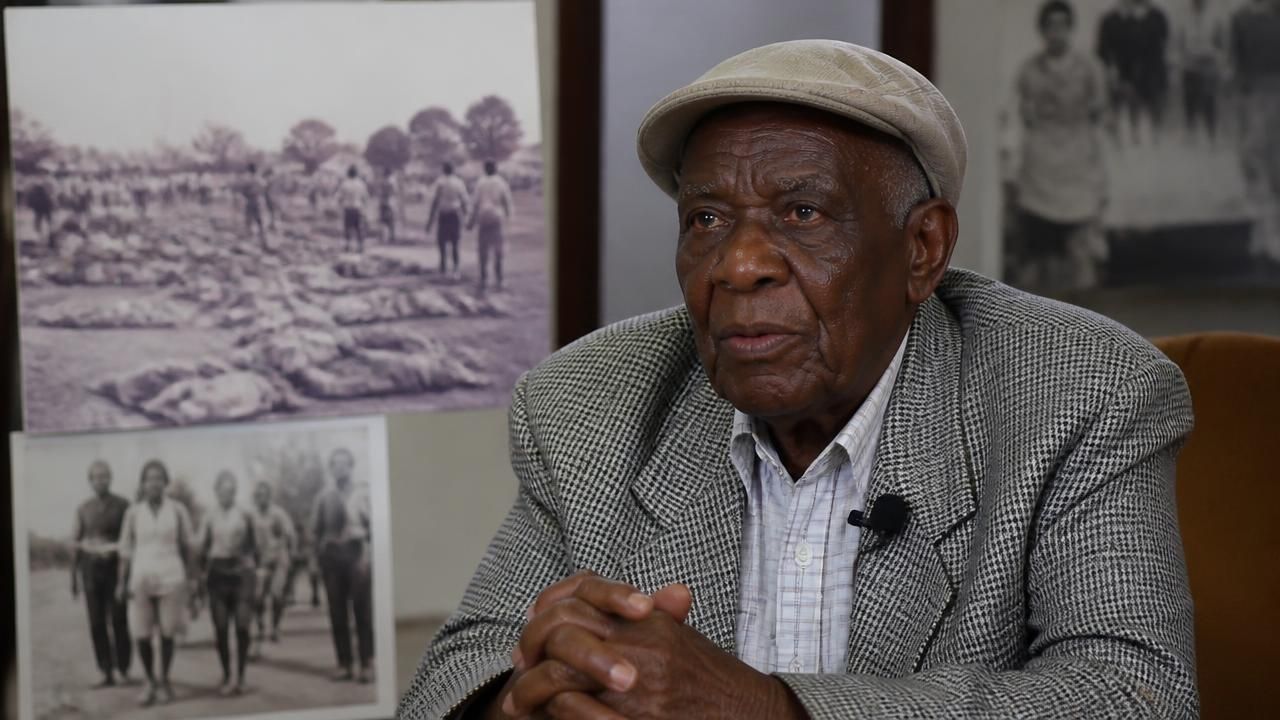
The action is being led by survivors of the massacre, now elderly, including Abraham Mofokeng, then a 20-year-old factory worker. 'The weather was very nice, the sun was out. You could not have suspected that the day would go so horribly,' Mofokeng told the Guardian. His testimony evokes the calm before the carnage that saw police open fire on a largely peaceful crowd.
The claimants are represented by legal teams pressing a 'wave of litigation' for apartheid-era crimes, the Guardian reported. They are seeking compensation for the physical and psychological injuries suffered, as well as for the wrongful deaths of the 91 victims. The case could evolve into a full class action on behalf of all those affected, according to Bloomberg's report.
What happened at Sharpeville?
The protest was organised by the Pan Africanist Congress (PAC), a breakaway faction of the African National Congress (ANC). It was one of dozens of demonstrations held nationwide to defy the pass laws. At Sharpeville's police station, the crowd swelled — estimates range from 5,000 to 20,000 — until chaos erupted. Without a direct order to disperse, police opened fire for nearly two minutes. The official death toll was 69, but later investigations and survivor accounts put the number at 91.
Most victims were shot in the back as they fled. The massacre sparked nationwide mourning and outrage, and it changed the course of South African history. The government banned the ANC and PAC, and the country's isolation intensified, ultimately leading to its withdrawal from the Commonwealth and the declaration of a republic in 1961.
Why sue now?
The passage of more than six decades raises obvious legal hurdles. Yet the claimants argue that the democratic government, elected in 1994, inherited the liabilities of the apartheid state. The South African Constitution and subsequent legislation provide pathways for redress, and courts have previously ruled that apartheid-era victims can pursue civil claims.
The move fits into a broader pattern. The Guardian notes that this case is part of a wave of litigation for apartheid-era crimes, with other communities and families seeking accountability for forced removals, torture, and killings. Legal experts suggest that the Sharpeville case could set a precedent for mass claims against the state for historical injustices.
The moral and legal case
In legal papers, the claimants are expected to argue that the apartheid government committed gross human rights violations and that the current state, as its successor, bears responsibility. The government may respond that the claims prescribe under old statutes or that a Truth and Reconciliation Commission process already granted amnesty in exchange for truth. But many victims argue that the TRC, while crucial, never provided full reparations.
'You could not have suspected that the day would go so horribly,' said Abraham Mofokeng, a survivor who was 20 at the time.
What happens next?
The South African government has yet to formally respond. If the court certifies a class action, it could open the door for thousands of descendants to join the claim. Such a case would force a national reckoning with how much the post-apartheid state should pay for the sins of the old order.
For survivors like Mofokeng, the outcome is about more than money. It is about official recognition. 'We want the government to accept responsibility and to apologise,' he has said. 'We were protesting peacefully. They killed us.'
Differing media framings
Coverage of the suit has varied by outlet. The Guardian frames the litigation within a broader movement for apartheid-era justice, highlighting the personal testimonies of elderly survivors. BBC focuses on the legal mechanics, calling it a legal fight for justice. Bloomberg's financial-news perspective seizes on the class-action potential — a signal that the case could carry a hefty price tag for the state. News24, South Africa's leading online news site, treats it as a domestic legal matter with national political implications.
These differing lenses reflect the many dimensions of the story: it is at once a human tragedy, a legal precedent, a financial risk, and a political challenge to South Africa's long and painful reconciliation process.
Context: A watershed in apartheid history
Sharpeville was not the first time South African police killed anti-apartheid protesters, but it was the first to be captured vividly in the global press. Photographs of bodies and of fleeing crowds circulated worldwide. The United Nations Security Council condemned the shooting, and the apartheid regime became an international pariah.
The massacre also galvanised resistance inside South Africa. The PAC's campaign of peaceful protest gave way to more militant tactics after the government banned liberation movements, and the Sharpeville anniversary later became a focal point for the armed struggle — as well as for the international anti-apartheid movement. Today, 21 March is commemorated in South Africa as Human Rights Day.
The new lawsuit offers a posthumous measure of vindication for those who died and a potential measure of closure for those who lived. Whatever the court's decision, the ghosts of Sharpeville are once again standing before the nation, demanding to be heard.