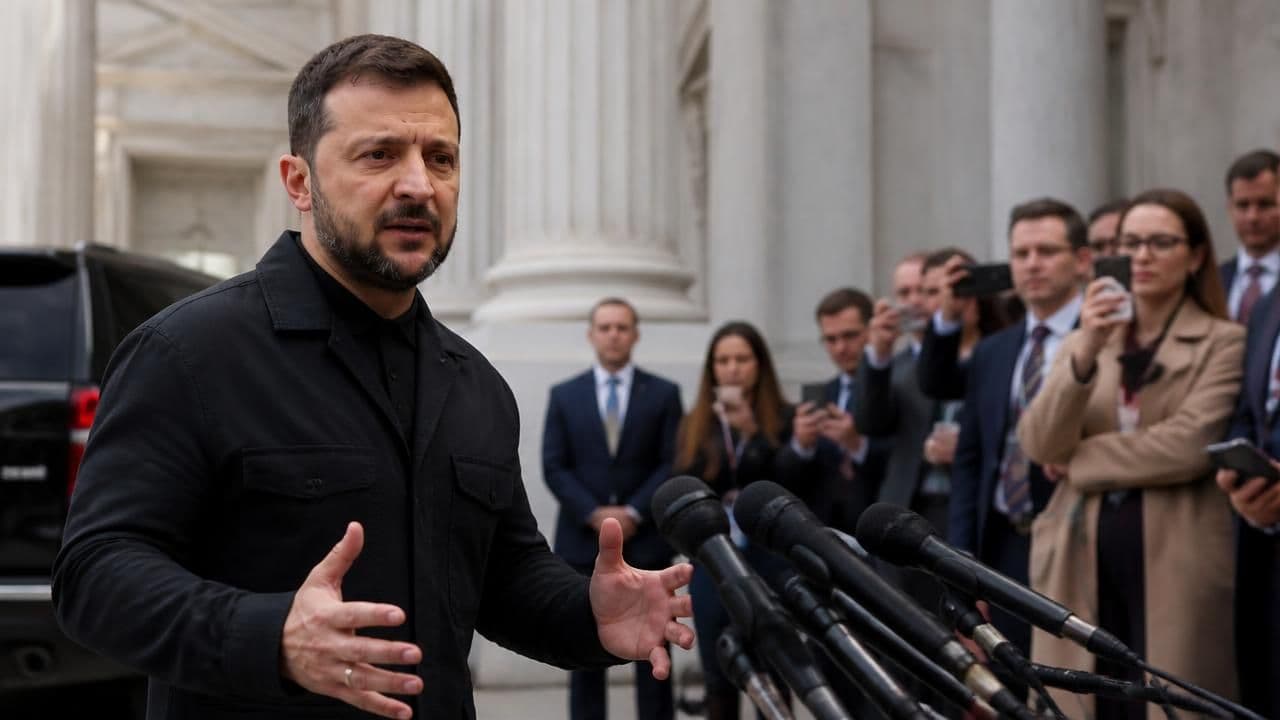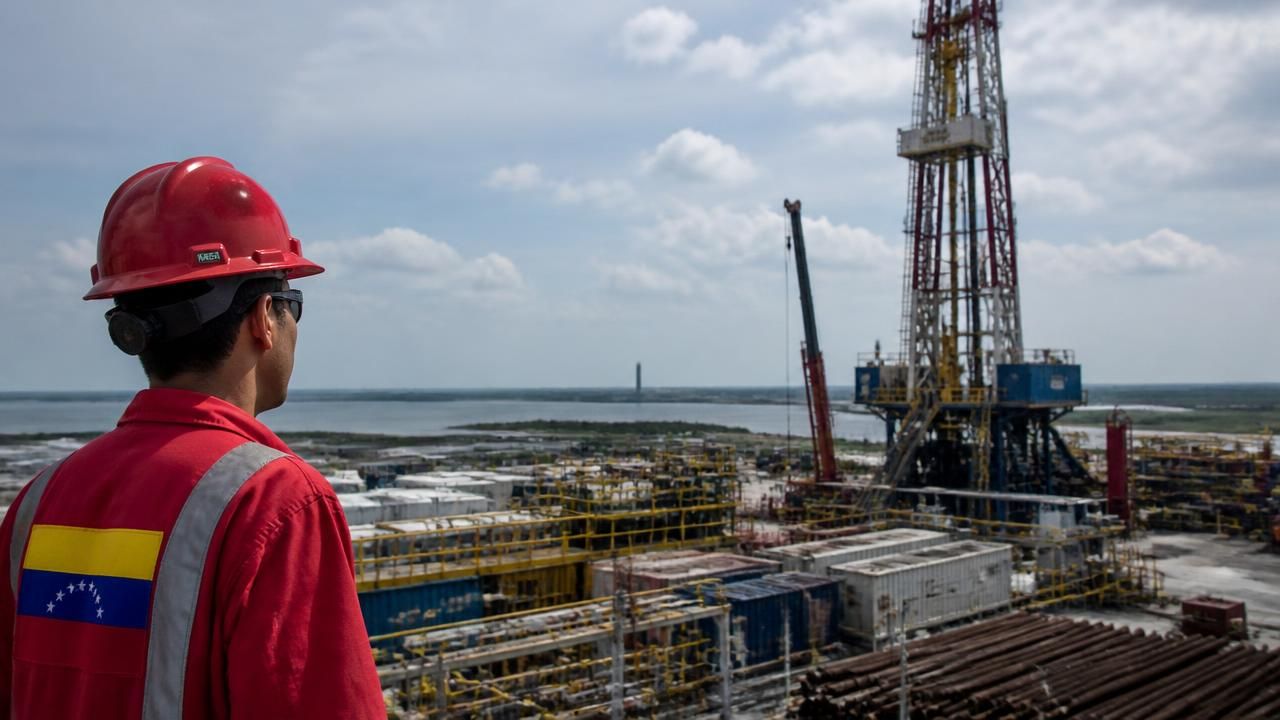
Venezuela is projecting that nearly $76 billion will flow into its oil and gas sector over the next five years, Acting President Delcy Rodríguez said Saturday, framing the figure as evidence that the OPEC founding member can attract the private capital needed to reverse more than a decade of production collapse.
The announcement, reported by Bloomberg Markets and carried widely by outlets including MSN and Yahoo Finance, marks one of the most concrete public estimates yet of the investment Caracas believes it can lure back into an industry that once bankrolled the state and now barely sustains it. The pitch rests on a simple proposition: Venezuela sits atop the world's largest proven crude reserves — roughly 303 billion barrels by official count — yet produces a fraction of what it did at its peak.
An Investment Case Built on Unused Reserves
Venezuelan output has fallen from more than 3 million barrels per day in the late 1990s to a low of a few hundred thousand barrels a day during the worst of the country's economic crisis, before recovering modestly in recent years with the help of foreign partners operating under U.S. licenses. The government has spent the past several years rewriting its legal framework to allow greater private participation in fields long monopolized by state oil company PDVSA, offering production-sharing arrangements and joint ventures to companies willing to navigate sanctions risk and chronic underinvestment in infrastructure.
The $76 billion figure is best read as a target rather than a commitment. Rodríguez did not detail which companies had pledged capital or how the money would be split between upstream drilling, gas projects and the repair of a refining and pipeline network that has corroded through years of deferred maintenance. Nor did she specify whether the total includes financing already announced or anticipated state spending.
"Venezuela expects almost $76 billion of investment in its oil and gas sector over the next five years." — Acting President Delcy Rodríguez
A Thaw in Washington, a Question Mark in the Market
The timing of the announcement reflects a fragile diplomatic opening. Yahoo Finance's headline framed the projection around "U.S. cooperation," a nod to the licensing waivers Washington has granted to select international oil companies — most notably Chevron — allowing them to lift and export Venezuelan crude under conditions. Those waivers have been extended, narrowed and reimposed depending on the political weather in both capitals, making any five-year investment forecast inherently speculative.
For majors and independent producers alike, the binding constraint is less geology than jurisdiction. Companies weighing multi-billion-dollar commitments must price in the risk that a single policy shift in Washington or Caracas could strand their assets, an uncertainty that historically has pushed required returns well above those demanded in comparable basins.
The $100 Billion Counterargument
Not everyone accepts Caracas's arithmetic. OilPrice.com, covering the same story from an industry-analyst perspective, argued that Venezuela's oil comeback could cost more than $100 billion — a figure that reframes the government's forecast as a floor rather than a ceiling. The gap matters: a $76 billion programme, spread across five years, implies roughly $15 billion a year, a sum that would fund selective rehabilitation of the most productive assets but would fall well short of a comprehensive rebuild.
That larger estimate points to what analysts describe as the hidden balance sheet of Venezuela's decline. Beyond the wellheads, the sector needs work on gas processing plants, upgrading of heavy-oil blending facilities in the Orinoco Belt, replacement of corroded pipelines, and restoration of power and water services to oilfield operations that have suffered from the country's broader infrastructure breakdown. Each of those line items competes for capital with the more visible drilling programmes that typically attract headlines.
What to Watch
- Licence durability: Whether U.S. authorisations are extended on a multi-year basis, which would materially lower perceived country risk.
- Contract terms: The fiscal and legal guarantees Caracas offers to private operators, and whether arbitration provisions are strengthened.
- Production data: Monthly output figures from OPEC and secondary sources, which will test whether capital is actually arriving.
- Gas as a hedge: Whether the $76 billion includes meaningful gas development, a longstanding promise that has repeatedly slipped.
Why It Matters Beyond Venezuela
For global oil markets, a sustained Venezuelan recovery would add barrels at a time when OPEC+ members are managing output to support prices — a potentially awkward dynamic for the cartel, of which Venezuela remains a member with voting rights. For the wider region, a successful reopening would offer a template for other sanctioned producers seeking to re-enter international capital markets.
For Venezuelans, the stakes are more immediate. Oil revenue is the state's principal source of foreign currency, and the difference between a $76 billion programme and a $100 billion one is the difference between stabilising production and genuinely rebuilding an industry. Rodríguez's announcement sets a benchmark against which the government will now be measured — and, with markets watching, one that outside analysts are already disputing.
Note: Some source feeds for this story were partially unavailable at the time of publication; figures are as reported by the cited outlets.