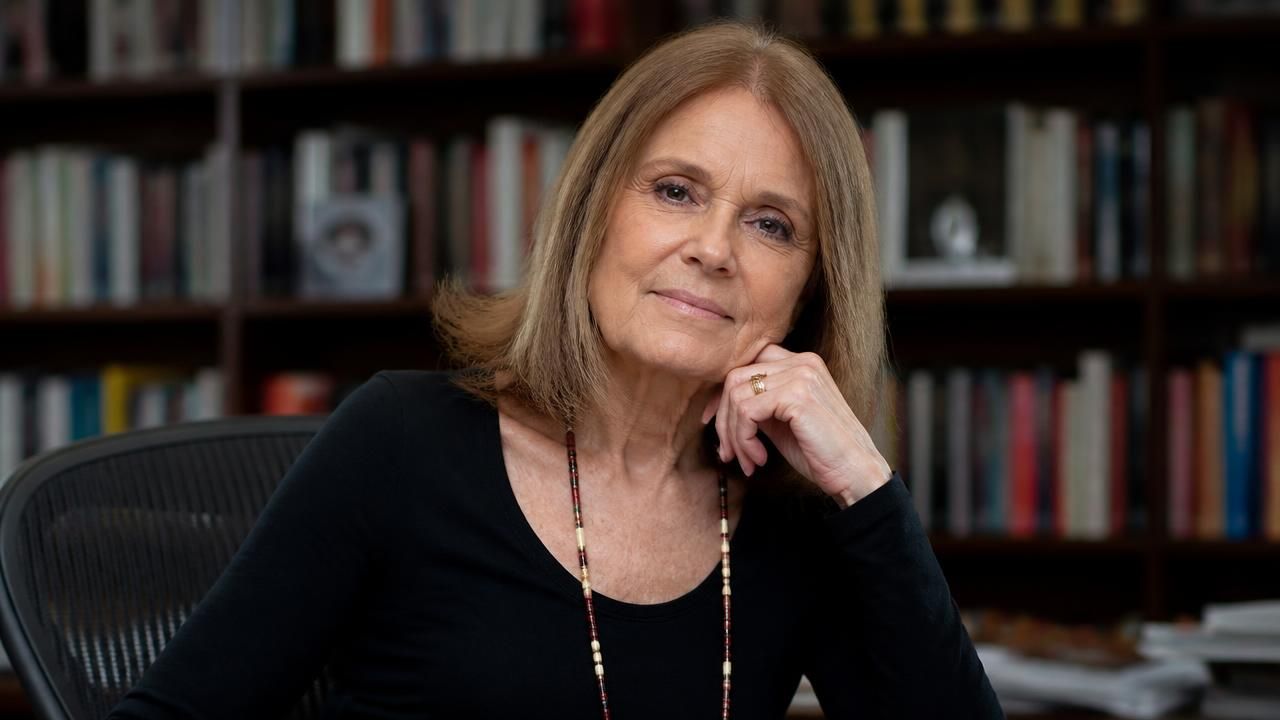
Gloria Steinem, the trailblazing journalist and activist whose voice defined the modern feminist movement, has died at the age of 92. Her death was confirmed by multiple outlets, with reports noting she passed away peacefully, surrounded by loved ones. The news prompted an outpouring of tributes from around the world, celebrating a woman who dedicated her life to gender equality, reproductive freedom, and the fundamental belief that women could be whatever they chose to be.
Steinem's influence spanned decades, from her groundbreaking work as an undercover journalist in the 1960s to her role as a co-founder of Ms. Magazine in 1972. She was more than an activist; she was a cultural force who challenged the notion that a woman's place was in the home, and she inspired generations to pick up the mantle of change. As the news cycle turned from breaking story to retrospective, outlets across the political spectrum recognized her singular contribution to American life.
A Life Built on Advocacy and Action
Born on March 25, 1934, in Toledo, Ohio, Steinem grew up in a world that offered few options for women. But her early experiences—including caring for her mentally ill mother, who had been denied a career—fueled her desire to fight for a different kind of world. After graduating from Smith College and spending time in India, she returned to the United States and embarked on a career in journalism, a field that was almost entirely male-dominated.
From Undercover Reporter to Feminist Icon
Steinem's 1963 exposé of the conditions inside a Playboy Club, where she worked undercover as a waitress, was an early glimpse of her willingness to go to great lengths for a story. That piece, titled "A Bunny's Tale," revealed the exploitation and sexism inherent in the job and set the tone for a career that would never shy away from difficult truths. She went on to cover political campaigns, social movements, and the rising calls for women's liberation. By the 1970s, she had become the public face of the movement—a role she never entirely embraced but never shirked either.
In 1972, Steinem co-founded Ms. Magazine, a publication she famously said should not just report on the world but change it. The magazine gave voice to topics that were once considered taboo, including abortion rights, domestic violence, and unequal pay. Under her leadership, Ms. became the first national magazine to feature prominently the issue of abortion in its pages, helping to normalize the conversation around reproductive freedom. Steinem's own writing, including books like Outrageous Acts and Everyday Rebellions and Revolution from Within, continued to push boundaries and challenge conventional wisdom.
Reactions and Tributes: A World in Mourning
As word of Steinem's death spread, tributes poured in from politicians, celebrities, and ordinary women whose lives she had touched. The Sun noted she died "peacefully" at 92, "surrounded by loved ones," and called her "one of a kind." Vanity Fair remembered her as a "trailblazing feminist icon," while NBC Los Angeles emphasized her status as a "feminist icon and activist." BBC News framed her as a "feminist activist and journalist," underscoring the dual roles that defined her public life.
Many sources also highlighted her Ohio roots and her early years as a journalist, connecting her Midwestern upbringing to her lifelong commitment to fairness and justice. Yahoo News and MSN echoed similar themes, with one headline calling her a "pioneering voice for women's rights" and another noting she "helped change lives of US women." The consistency of the tributes—across outlets with vastly different audiences—speaks to Steinem's ability to transcend political divides and become a universal symbol of hope and change.
The Legacy of Gloria Steinem
Steinem's death marks the end of an era, but her legacy is woven into the fabric of modern society. She was instrumental in the fight for the Equal Rights Amendment, co-founded the National Women's Political Caucus, and traveled the world encouraging women to organize and speak out. Her famous quote, "The truth will set you free, but first it will piss you off," captured her unflinching approach to activism. In her final years, she remained an active voice in discussions about intersectional feminism, racial justice, and the ongoing struggle for equality.
"We must tell women that their voices count, their lives matter, and their potential is limitless," Steinem once said, a sentiment that echoed throughout her career and in the tributes that followed her death.
How Different Outlets Framed Her Story
The media coverage of Steinem's death offers a study in how the same story can be shaped by different editorial voices. NPR's straightforward obituary described her as a "trailblazing journalist and activist" who "challenged gender stereotypes and championed feminist ideals like equality, sisterhood and reproductive freedom." The Sun, a tabloid, focused on the emotional details of her passing, mentioning her peaceful death and the presence of loved ones. Meanwhile, Vanity Fair and other premium outlets chose to emphasize her status as a "trailblazer," a deliberate nod to the path she cut for subsequent generations of women.
Some websites, including news.wfsu.org and cbs19.tv, initially displayed technical challenges or access-denied messages, a reminder that even major news stories can be hampered by digital hiccups. But the broader coverage demonstrated the immense cultural weight Steinem carried. The BBC, for instance, placed her within the context of the women's liberation movement, while local outlets like News9 highlighted her connection to specific regions or communities.
Why Her Death Matters Now
Steinem's death arrives at a time when women's rights are once again under threat, with the overturning of Roe v. Wade and debates over workplace equality dominating headlines. Her loss is a reminder that the fight she began is far from over. As the tributes note, she was not just a figurehead but a strategist and a troublemaker who believed in the power of collective action. In an era of rolling back rights, her example serves as both a guide and an inspiration.
- Steinem's early life and influences shaped her lifelong advocacy for women's liberation.
- She co-founded Ms. Magazine, a pivotal platform for feminist thought.
- Tributes from across the media spectrum highlight her singular impact on American society.
- Her death galvanizes conversations about the unfinished business of gender equality.
As the world mourns, many are remembering Steinem not with sorrow but with a call to action. She spent her life convincing women that they were not alone, that their anger was justified, and that their demands were reasonable. In the words of one tribute, she was "trailblazing" not because she was the first to say these things, but because she refused to be silenced. Gloria Steinem may be gone, but her voice—and the chorus of women she inspired—will never be quieted.