Washington careened toward a partial government shutdown on Friday as House Republicans and Senate Democrats remained locked in a standoff over funding for the Department of Homeland Security (DHS). Democratic leaders are vowing to block a stopgap spending bill unless their demands for immigration enforcement reforms and election security funding are met, a red line that has thrown the department—responsible for border security, the TSA, and disaster response—into funding limbo just days before an imminent lapse.
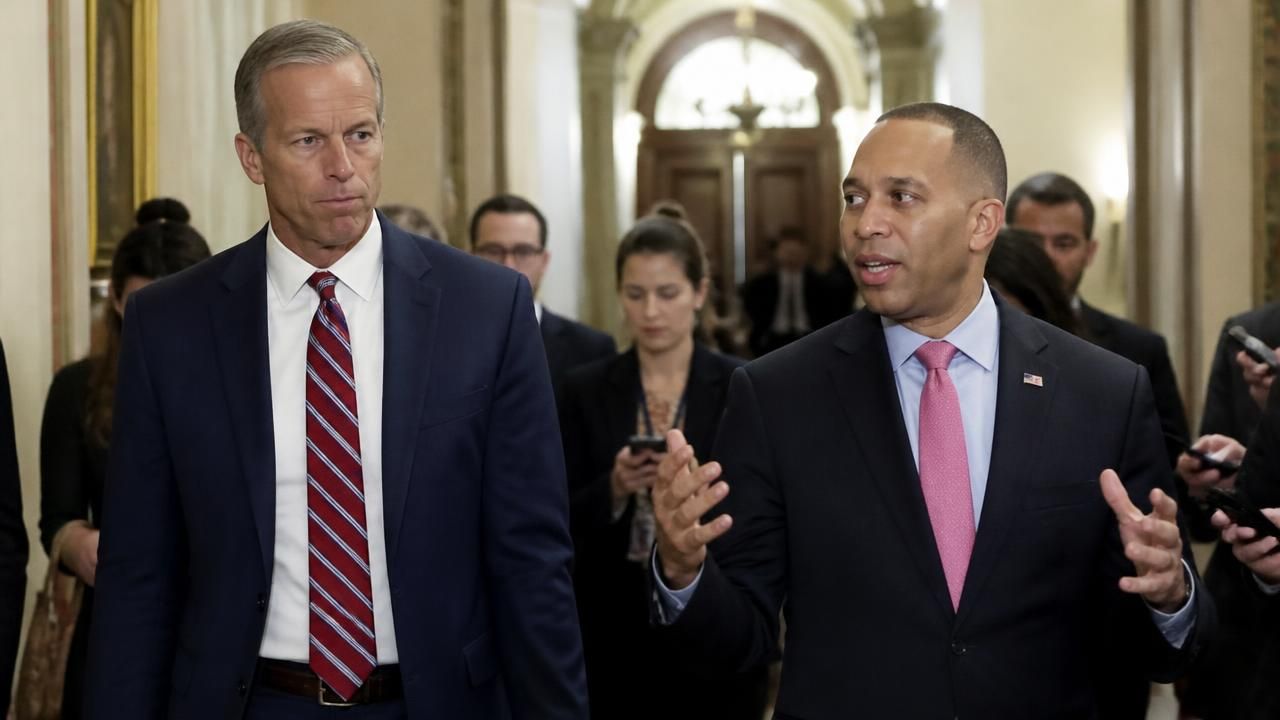
The immediate trigger is the death of Renee Macklin Good, who was fatally shot during an ICE operation in Minneapolis earlier this month. The killing has galvanized Democrats into a united front, with House Minority Leader Hakeem Jeffries (D-N.Y.) listing ten demands that must be satisfied before any DHS funding measure gets his party's support. Senate Republicans, including Majority Leader John Thune, dismiss the proposals as non-starters.
A weekend of shutdown limbo
Late Thursday, the House passed a standalone DHS funding bill that would keep the department operating through March, but Senate Democrats have made clear they will not allow it to advance. The Senate earlier approved a broader, bipartisan government-wide funding deal—only to see the House, pressured by conservative Republicans, reject it and substitute the DHS-specific stopgap. Now, senators are huddling over what Thune called a “last and final” offer to end the impasse.
“We’re at the point where I think we need to get real,” Thune said on the floor, dismissing Democrats’ counterproposal as “laughable” and accusing them of derailing a workable compromise. His frustration was echoed privately after a hotline attempt to speed the House bill through the Senate was blocked by a single Democratic senator.
A killing that changed the debate
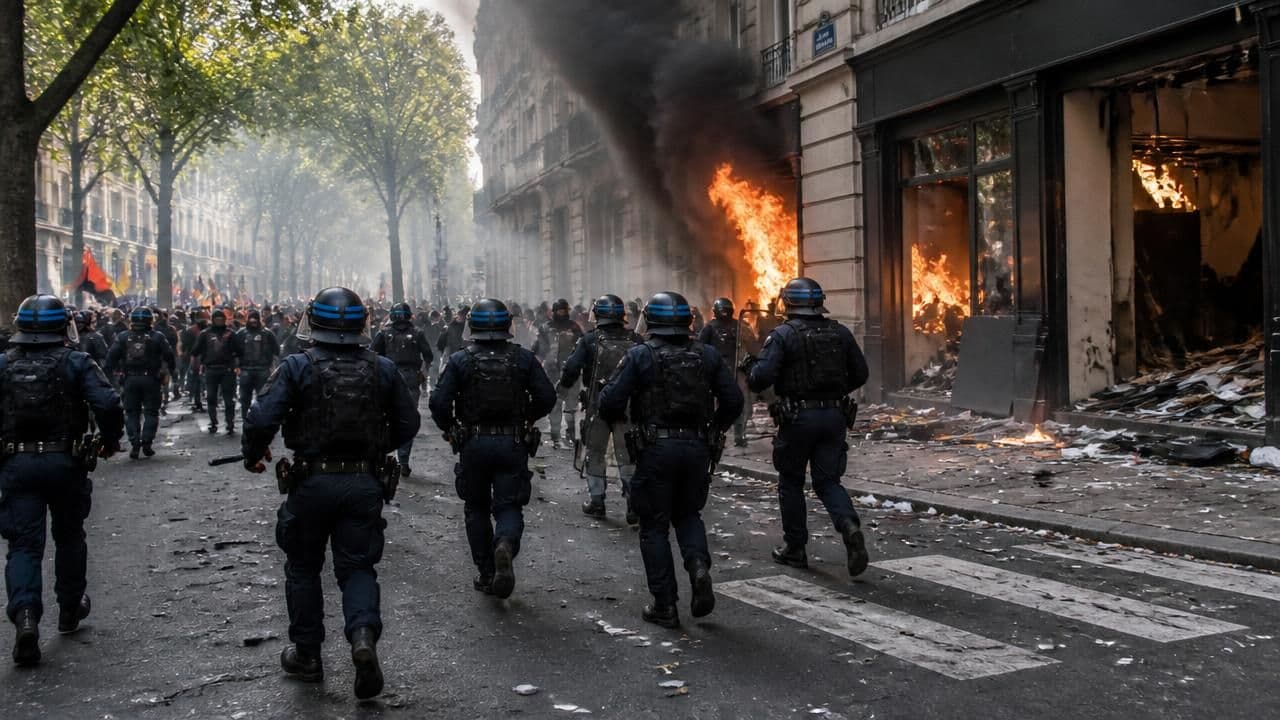
The Minneapolis shooting has moved the DHS funding fight from a routine appropriations battle into a moral reckoning over the country’s immigration enforcement apparatus. For many Democrats, it was the final provocation in a long campaign to attach conditions to DHS money, forcing the party to confront the Trump administration’s aggressive deportation policies.
“This is a moment to demand real reforms, not just rubber-stamp the administration’s mass-deportation agenda,” said a senior Senate Democratic aide, echoing progressive calls from outside groups.
Jeffries, who has emerged as the chief Democratic negotiator, refused to blink when asked whether he would soften his 10 demands: “Not at this point.” His conditions include:
- Barring ICE from making arrests at or near schools, hospitals, and courthouses;
- Mandating body cameras for all ICE officers and overhauling use-of-force policies;
- Directing significant funding to election security grants for states facing cyber threats;
- Restricting the detention of undocumented families and children;
- Ending “collateral arrests” of people not suspected of crimes;
- Requiring a transparent investigation into the Minneapolis shooting with public accountability.
The election-security component, often overlooked in the immigration debate, has become a major sticking point. In a letter to DHS officials, Democratic lawmakers expressed “grave concern that time is running out” to help state and local officials protect voting systems from cyberattacks and disinformation ahead of the 2026 midterms. Republicans, however, view that request as a poison pill, accusing Democrats of injecting partisan election fights into a border-security bill.
Republican divisions surface
While Republican leadership is united in opposing the Democrats’ demands, the Minneapolis killing has cracked the GOP’s traditionally hard-line facade. A handful of Republican lawmakers, typically vocal supporters of ICE, have quietly expressed discomfort with the administration’s tactics, fearing the shooting could erode public trust in immigration enforcement.
“This is a gut-check moment for our caucus,” said one senior Senate GOP aide. Some Republicans have begun questioning whether the president’s zero-tolerance posture is politically sustainable, even as they rail against Democratic attempts to “defund” law enforcement.
The White House is pushing back with force. President Trump’s border czar, Tom Homan, dismissed the Democratic reform package out of hand. “We will not be doing anything that weakens our law enforcement,” Homan said, pointing to a single incident. “One bad day doesn’t define the mission.”
Airport security lines, election security, and the price of impasse
The shutdown threat carries a broader risk that reaches far beyond immigration. DHS oversees the Transportation Security Administration, whose screeners would be forced to work without pay during a lapse—a scenario that has historically triggered callouts and massive airports delays. Critics warn that such chaos could have cascading civic consequences.
An opinion piece circulating on Friday drew a connection between the funding standoff and voter suppression, arguing that long security lines could disproportionately affect urban and minority voters who rely on air travel, making it harder for them to get to polling places. “A shutdown isn’t just about borders; it’s about whether every American can cast a ballot without being weighed down by delay,” one analyst said. While that link is contested, it underscores how the DHS funding fight has become a proxy for broader arguments over voting access.
What happens next?
As the weekend deadline looms, both sides are digging in. Democrats are considering holding the House bill hostage, while Republicans may attempt to peel off a few moderate Democrats to cross the 60-vote threshold—an unlikely prospect given Jeffries’ hard-line stance. Senate Majority Leader Thune, meanwhile, has signaled that the Senate will not stay in session indefinitely. “We are not going to give them everything they want,” Thune said Friday.
One possible path is a short-term continuing resolution that funds DHS for days or weeks while negotiations continue. Sources say lawmakers discussed such a fix in closed-door meetings on Friday afternoon. But with the Minneapolis killing still dominating the news cycle, a permanent resolution appears unlikely this week. For now, the department—and the many Americans who rely on its services—is left waiting to see whether Washington can overcome the very divisions the episode has magnified.