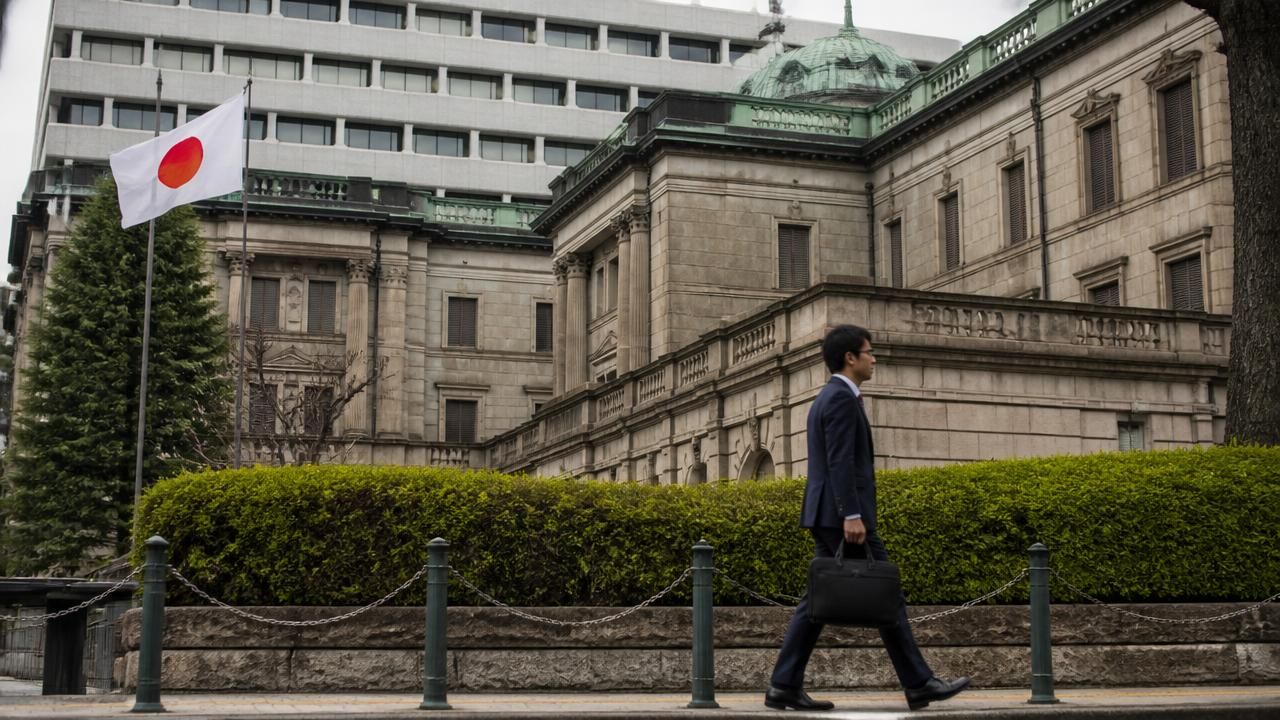
The Bank of Japan (BOJ) is reportedly whipping up a bump in rates for later this month, with policymakers increasingly convinced that inflation pressures have broadened enough to warrant another jolt from ultra-loose policy. Sources close to the discussions told Bloomberg that the board is leaning toward a 25-basis-point rise in the benchmark interest rate, taking it to 0.5 percent, while keeping the door open for an accelerated normalization path in the months ahead.
Rate Decision Set for January Meeting
The potential move would come as the central bank convenes at its two-day policy meeting, scheduled to conclude later this month. People familiar with the thinking of the board members say there is a growing consensus that the time has come to respond to persistent price pressures. Unlike previous occasions where concerns about economic fragility stalled action, the current mood within the BOJ appears to have tilted decisively toward tightening.
BOJ Governor Kazuo Ueda, who has led the bank since April 2023, has repeatedly emphasized that the central bank would act if the economy and prices evolve in line with its projections. In recent months, that scenario appears to have materialized, as a weaker yen has fueled import costs and a tight labor market has kept wage growth buoyant.
Why Now? Price Pressures and Wage Momentum
Japan’s core consumer price index, which strips out volatile fresh food but includes energy, has stood at or above the BOJ’s 2 percent target for more than two years. The latest data show a broad-based advance in service prices, which is a crucial indicator for the central bank as it gauges whether inflation is becoming domestically driven.
Additionally, the annual spring wage negotiations known as “shunto” are approaching, and early signs point to substantial pay raises again this year. With major firms already pledging to maintain wage hikes above inflation, the BOJ has found a crucial pillar of support for its rate normalization agenda.
‘The Bank is leaning toward doing 25 basis points this month, but the pace thereafter is a separate question. A yen rebound and overseas economic risks could still change the trajectory.’
Source people note that BOJ officials view the upcoming meeting as a manageable window to tighten policy, particularly with the fiscal year-end not until March and the U.S. Federal Reserve providing no obvious hindrance to policy divergence.
Market Expectations and Reactions
Financial markets have been pricing in a meaningful chance of a January move, though the exact probability has fluctuated with economic data and commentary from BOJ officials. According to overnight index swaps, the probability of a 25-basis-point hike at the coming meeting had risen to about 80 percent in mid-January, reflecting the market’s readiness for the move.
The yen, which has been under severe pressure against the dollar for the better part of a year, has strengthened in recent sessions as expectations for a rate hike grow. While a rate increase would normally boost the currency, analysts caution that the gap between Japanese and U.S. interest rates remains large and that the BOJ’s overall path may still be too gradual to fully support the yen.
Equity market participants are mixed. Majors exporters may benefit from a weaker yen, but a hike could trim margins for domestic borrowers. Smaller firms, in particular, have yet to see a full recovery in profitability and might feel the pinch of higher borrowing costs.
Historical Context: A Sluggish Shift Away from Easing
The BOJ only began its current tightening cycle in March 2024, ending eight years of negative interest rates. That move was followed by another hike in July, which brought the policy rate to 0.25 percent. The pace was deliberately measured, as the central bank sought to avoid any destabilizing shock to a heavily indebted government and small businesses.
But with inflation running consistently above target and wage negotiations shaping up to be fiercely expansive, the arguments for further normalization are strengthening. Japan’s experience resembles the late-in-cycle adjustments seen in other developed economies, but with a characteristic caution born of decades of deflation.
A move this month would leave the policy rate at a level not seen since 2008, when the global financial crisis prompted the BOJ to cut rates. That fact alone underscores just how long Japan has been trapped in monetary accommodation.
Global Implications
Japan is the world’s fourth-largest economy, and its aggressive bout of monetary easing has had international consequences. A hike by the BOJ could influence global bond yields, carry trades, and capital flows. Traders have positioned for a scenario in which Japanese real interest rates turn positive, which could trigger a gradual repatriation of capital held overseas by Japanese investors.
An accelerated pace of rate hikes would be especially noteworthy for emerging markets, which rely on Japanese investment flows. The BOJ’s huge existing asset purchases and balance sheet remain points of concern for the sustainability of its exit strategy, but the central bank has signalled it will address these at a cautious pace.
Challenges and Uncertainties
Not everyone is convinced that the BOJ should act now. Some economists point to soft household consumption data and a technical recession earlier in 2024. Others worry about the U.S. presidential transition and the potential for renewed trade tensions that could hit Japan’s exports.
- Consumer spending remains fragile, with real wages static since mid-2023.
- Political turmoil and a snap election may also complicate the BOJ’s policy communication.
- A prolonged shutdown by U.S. government fiscal policy could inject global volatility.
The BOJ is also mindful of the risk of unexpected events that could unsettle markets. January policy meetings have historically been scheduled just around the time of the U.S. government's statutory debt ceiling debates and potential partial shutdowns. Although these are largely cyclical, they can prompt risk-off actions that detract from the bank’s goals.
Outcome and Next Steps
In the run-up to the meeting, most analysts anticipate the BoJ will proceed with the quarter point move. After that, the bank may choose to pause and assess the spring wage results before determining whether to strike again in late April or June. The central bank is likely to keep its forward-looking language about being “data-dependent” while preparing markets for a potential acceleration if underlying inflation persists.
For now, the BOJ appears ready to make history again. The decision, when it comes, will be watched with unusual interest—both domestically and across global capital markets—as it signals that the last major holdout of global stimulus is finally and firmly exiting. A quarter-point hike may seem small, but symbolically, it would represent an unmistakable end to Japan's long experiment with zero interest rate policy.