Ukrainian President Volodymyr Zelenskyy is urging U.S. lawmakers to salvage a bipartisan Russia sanctions package that President Donald Trump has placed on hold, setting up one of the sharpest ruptures in Washington–Kyiv relations since Russia's full-scale invasion began.
The sanctions bill, passed by Congress and signed into law — reportedly drafted in honor of Sen. Lindsey Graham, one of the Kremlin's most vocal critics in the Senate — was waived by Trump before its provisions could take effect. The White House told Congress the pause was "in the national interest," but offered no further explanation, according to NPR. The move came just days after Washington and Moscow concluded a deal on Russian diesel exports, a coincidence that critics say is anything but.
A sanctions package frozen at the finish line
The episode is unusual even by the standards of Trump's volatile approach to Russia policy. Congress spent months negotiating the package, which would have targeted Russian energy revenues and secondary buyers of Moscow's oil. The law was signed, celebrated by hawks in both parties — and then suspended by presidential waiver before the first penalty landed.
Coverage of the decision split sharply along predictable lines. NBC News framed it as Trump "rewarding Putin" while waiving sanctions passed by Congress; MSN described a president who "won't impose sanctions on Russia, thwarting Congress"; The Hill focused on Zelenskyy's appeal to legislators, while right-leaning outlets emphasized the waiver's national-interest justification. Several outlets, including Sky News, tied the timing directly to the diesel arrangement, running live coverage under the headline: "Trump waives new Russia sanctions days after diesel deal with Putin."
Kyiv: 'This Act could have helped enormously'
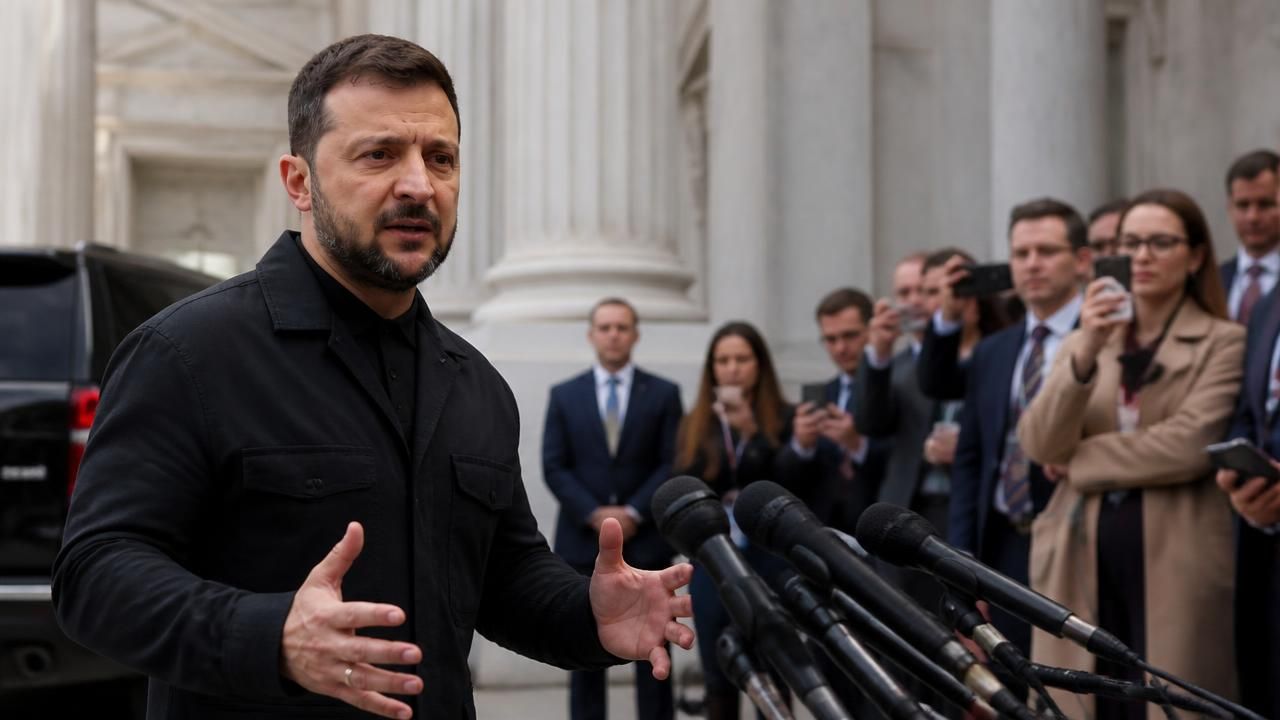
Zelenskyy did not disguise his frustration. He called the suspension "unfortunate" and warned that it would encourage Moscow to press on with its assault, according to NPR and Telangana Today. In remarks carried by The Hill, he argued the legislation was a ready-made instrument of pressure that Washington had chosen not to use.
"This Act could have helped enormously," Zelenskyy said, urging lawmakers and allies to keep pushing for its implementation.
The Ukrainian leader's appeal comes as winter approaches — a season that has become a recurring test of Ukraine's resilience, with Russia historically targeting power generation and heating infrastructure. Already this week, Russian forces struck more than 15 Ukrainian energy sites, according to The Telegraph India, in what officials describe as an opening barrage of a winter campaign.
The diesel deal and the Kremlin's satisfaction
The Trump administration's parallel decision to lift sanctions on Russian diesel has alarmed a bipartisan coalition in the Senate. A group of senators publicly urged the president to abandon the plan, arguing that buying Russian diesel while Russia bombs Ukrainian cities undermines the entire sanctions architecture assembled by the G7 since 2022. The Boston Herald reported that the Kremlin is reveling in both developments — the diesel deal and Trump's public criticism of Zelenskyy — as evidence that Western unity is fracturing.
Trump made little effort to soften the impression. "I want to thank President Putin," he said after agreeing to lift sanctions on Russian diesel, according to The Guardian's live coverage — a remark that drew immediate condemnation in European capitals.
The rhetoric escalated further when Trump branded Zelenskyy a "disgrace" over Ukrainian strikes on Russian energy infrastructure, a striking reversal from the posture of the Biden administration, which had quietly tolerated such operations. The New York Times reported that U.S. support for Ukraine has evolved dramatically under Trump, from conditional backing to open pressure on Kyiv to accept a negotiated settlement on Moscow-friendly terms.
Kyiv defies Washington on refinery strikes
Zelenskyy has refused to yield on the battlefield question. Defying Trump's criticism, he said Ukraine will resume strikes on Russian oil refineries — a campaign that has repeatedly disrupted Moscow's export capacity and, Ukrainian officials argue, is one of Kyiv's few effective levers against a larger adversary. Sky News reported Zelenskyy praising "real leaders" who support Ukraine, a pointed contrast to the White House's language.
Europe closes ranks
If Washington is stepping back, Brussels is stepping forward. At an EU summit, European leaders pledged continued support for Zelenskyy, who addressed the gathering amid his public spat with Trump. European Commission President Ursula von der Leyen declared that the bloc's backing for Ukraine "matters more than ever" as the U.S. relationship sours.
"Europe's support to Ukraine matters more than ever," von der Leyen said, as EU leaders rallied around Kyiv.
EU foreign policy chief Kaja Kallas publicly urged Trump to impose the sanctions and abandon the diesel arrangement, while European diplomats vowed to maintain their own Russia sanctions regardless of Washington's direction, according to MSN. The message from Brussels was unmistakable: Europe intends to keep the pressure campaign alive even if the United States does not.
What happens next
- Congress: Lawmakers could attempt a veto-proof legislative response, though the waiver structure may limit their options.
- Sanctions coalition: Europe's commitment to its own measures will determine whether the price cap and oil restrictions retain bite.
- The battlefield: Ukraine's refinery strikes and Russia's winter campaign against the grid are likely to intensify in tandem.
- Diplomacy: The Trump–Zelenskyy relationship, once merely transactional, is now openly hostile — complicating any path to a durable settlement.
For Kyiv, the immediate task is twofold: survive the winter and keep its Western coalition intact. For Washington's allies, the deeper question is whether American sanctions policy is now a function of presidential preference rather than congressional will — a shift with consequences far beyond Ukraine's borders.