In a case that has reverberated far beyond the shores of the Mediterranean, a Maltese jury on Tuesday acquitted businessman Yorgen Fenech of complicity in the 2017 murder of investigative journalist Daphne Caruana Galizia. The verdict, delivered after days of deliberation, marks a stunning twist in a saga that has become a symbol of impunity and press freedom concerns in Europe.
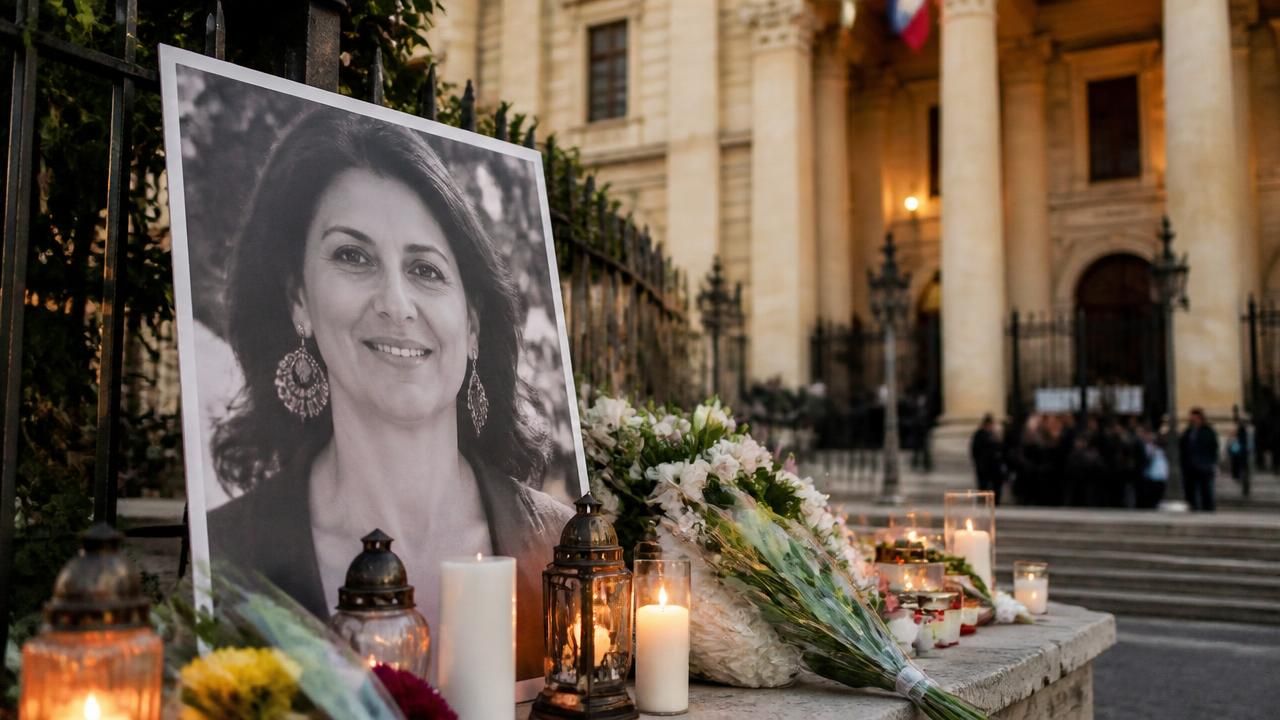
Caruana Galizia, 53, was killed on October 16, 2017, when a car bomb exploded near her home in Bidnija, Malta. She had been investigating corruption, money laundering, and links between Maltese politicians and business elites — work that earned her both international acclaim and powerful enemies. Her death triggered nationwide protests and a political crisis, eventually leading to the resignation of Prime Minister Joseph Muscat in 2020.
Fenech, a multimillionaire hotel magnate and former business partner of Muscat's chief of staff, was arrested in November 2019 after an alleged middleman named him as the mastermind of the assassination. Prosecutors argued that Fenech paid €150,000 to have Caruana Galizia silenced because her exposes threatened his business interests, including the dubious acquisition of an energy concession from the Maltese government.
The Trial and the Verdict
The trial, which began in early 2024, was closely watched across Europe. The prosecution relied heavily on the testimony of Melvin Theuma, a self-confessed middleman who said Fenech had recruited him to find hitmen. The defence, however, portrayed Theuma as a unreliable witness with a history of criminal behaviour who had received a presidential pardon and immunity for his testimony.
After hearing evidence on more than 60 sittings, the jury of seven men and two women took just over a day to reach their verdict — a resounding not guilty. As the foreperson read the decision, Fenech was seen weeping in the dock, while Caruana Galizia's relatives, seated in the public gallery, displayed quiet but visible distress.
“There is no doubt that Daphne was murdered, but this verdict says the system is no longer able or willing to deliver justice. It is a dangerous day for Malta and for journalism.”
That sentiment, articulated by a press freedom advocate who attended the trial, captures the frustration felt by many observers. Yet the defence, in a statement outside the court, insisted that the acquittal proved Fenech had been the victim of a politically motivated prosecution from the start.
Framing the Story Across Outlets
Coverage of the verdict varied markedly across media organizations, reflecting broader editorial perspectives. NPR and CBS News, mainstream American outlets, offered straightforward, news-led reports describing the acquittal and the background of Caruana Galizia’s work. They emphasized the nature of her killing and referenced her reputation as a “blogger” who had “written extensively about suspected corruption.”
The International Consortium of Investigative Journalists (ICIJ), with which Caruana Galizia had worked on the Panama Papers and other projects, framed the verdict in the larger context of threats to journalists. ICIJ’s article, titled “Jury acquits Maltese business tycoon in the murder of Daphne Caruana Galizia,” underscored that the case had become a touchstone for impunity in Europe. Similarly, the European-interest publication European Interest focused on the “shock” of the outcome and the continuing demands from civil society for accountability.
The Business Titan at the Center
Fenech, 43, is the owner of the Portomaso business tower, a landmark development in St. Julian’s, and the head of a group with interests in hospitality, tourism, and most notably the Electrogas power station project — a concession that was a subject of several of Caruana Galizia’s investigations. His arrest in 2019 aboard his yacht, as he attempted to flee Malta, seemed to signal a breakthrough in a case that had already seen three men arrested and charged with planting the bomb.
Those three men — Alfred Degiorgio, George Degiorgio, and Vincent Muscat — have pleaded not guilty to the murder and face a separate trial. Muscat, who confessed to buying the explosives, was last year sentenced to 15 years in prison. Prosecutors had always maintained that Fenech was the person who ordered the hit, and that his motive was to prevent Caruana Galizia from publishing a report about a bank account from the sale of the Electrogas concession.
Public Reaction and Political Fallout
The acquittal is likely to deepen public cynicism over the rule of law in Malta. A survey conducted earlier this year by the University of Malta found that nearly 70% of Maltese citizens believe that institutions — including the judiciary — are not sufficiently independent of political and business influence. In Valletta, a small group of protesters gathered outside the courthouse after the verdict, holding banners that read “We are all Daphne” and “Justice for Daphne.”
The government, now led by Prime Minister Robert Abela, said in a brief statement that it respected the jury’s decision. Abela, who is from the Labour Party that Muscat led, has pledged to implement certain reforms but has resisted calls for a full public inquiry into the case. European Union bodies, including the European Parliament, have repeatedly passed resolutions expressing concern about the rule of law and media freedom in Malta.
Implications for Press Freedom and the Fight Against Impunity
The verdict has been met with concern by media watchdog groups across the globe. Reporters Without Borders called it “a severe blow to the fight against impunity,” noting that no one has yet been convicted of the murder itself — only one of the accessories has pleaded guilty. The Committee to Protect Journalists (CPJ) said in a statement that the outcome “raises a central question: if a businessman cannot be held accountable for ordering the assassination of a journalist, what hope is there for others?”
Caruana Galizia’s son, Matthew, who has become a prominent activist, vowed that the family would pursue every legal avenue to appeal. Under Maltese law, however, a jury acquittal is difficult to overturn, and appeals are only possible on points of law.
For many observers, the verdict is a painful echo of a 2018 finding by the European Court of Human Rights that Malta had failed to protect Caruana Galizia’s right to life. That judgment, delivered in June 2021, called on Malta to conduct a thorough investigation. To date, the state has not paid the €30,000 in moral damages awarded, and the investigation has been criticized for being slow and fragmented.
A Painful Anniversary
The acquittal comes three years after the car bomb that ended Caruana Galizia’s life. Her supporters note that she wrote over 8,000 blog posts, many of which exposed alleged corruption by powerful figures in Malta and neighboring countries. She was also a key contributor to the Panama Papers investigation, which exposed offshore holdings of politicians and elites.
In a statement read outside the courthouse, the Caruana Galizia family said: “Daphne’s death and the destruction of our society’s trust in its institutions are indivisible. Today’s verdict does not mean the end of our search for truth. We will continue, even as the world watches.”
As the dust settles, the question remains whether Malta’s justice system is capable of delivering accountability in this case — and what the verdict will mean for the safety of investigative journalists everywhere.