In a week of stark contrasts, events across the globe and within the United States have converged to expose the fragility of civil liberties, the scourge of political abuse, and the persistent demand for accountability. From Israeli airports to North Carolina's legislature, and from Michigan border towns to New York City's mayoral race, a single question resonates: who holds power accountable, and at what cost to those without it?
Israel and the Middle East: Silencing Dissent
At the heart of international concerns is Israel's treatment of foreign visitors. According to NPR, "Travelers from the U.S. and other nations are denied entry to Israel after interrogations about their links to Palestinians, plans to visit the occupied West Bank and opinions of Israel, lawyers say." This practice is not new, but it has intensified amid the Gaza conflict. Civil-rights attorneys argue that it is part of a broader effort to deter activism and critical voices from entering the country.
Meanwhile, Novara Media has highlighted accusations that pro-Israel lawyers are engaging in 'legal intimidation' of genocide opponents. These lawsuits and legal threats are seen as a chilling tactic to silence those who speak out against the military offensive in Gaza, potentially including activists and academics in the West who face trumped-up allegations or financial ruin for their advocacy.
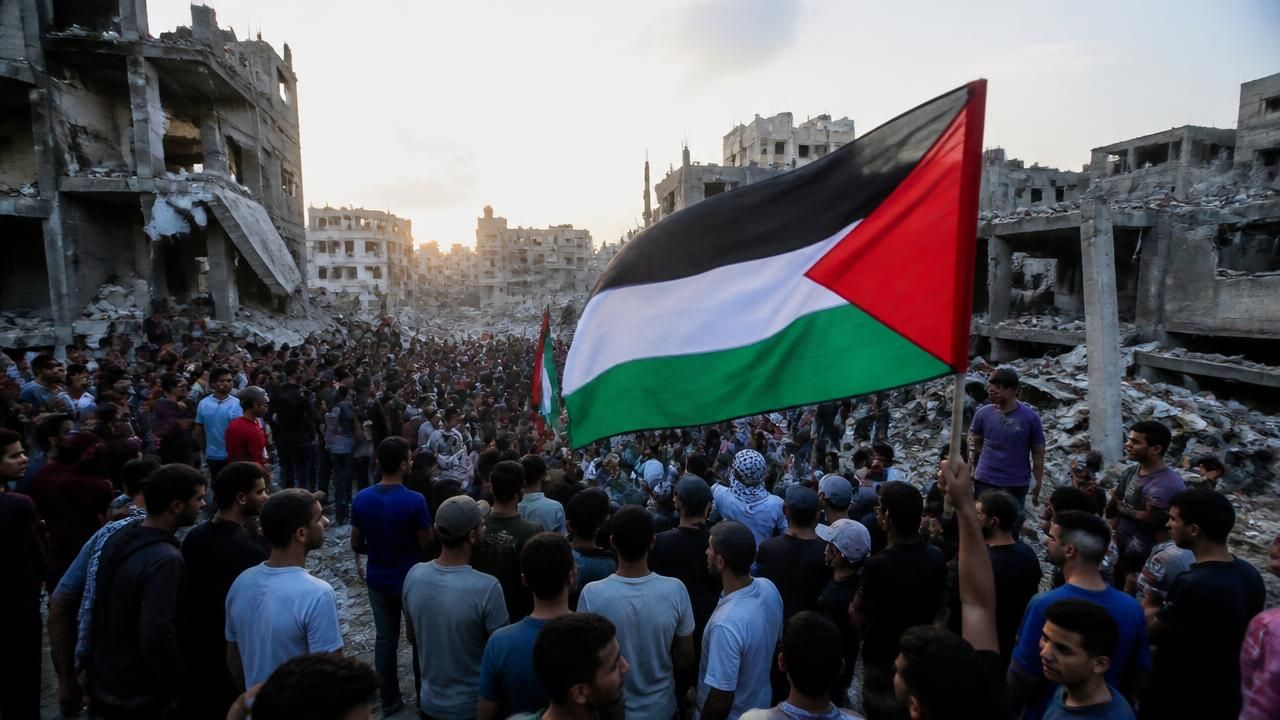
The New York Times reports that this pressure is echoed in Arab capitals, where leaders are cracking down on protests against the Gaza war. In countries like Egypt and Jordan, governments have long used the Palestinian cause as a tool for domestic legitimacy, but now they fear street anger could morph into a threat to their own rule. Security forces have dispersed demonstrations, arrested prominent critics, and used legal threats to deter solidarity. This delicate dance reveals a shared interest between Israel and certain Arab regimes in containing popular outrage over Gaza.
U.S. Political Turmoil: A Test of Institutional Integrity
Back in the United States, several unrelated but thematically linked stories have grabbed headlines, highlighting internal battles over ethics, immigration enforcement, and economic anxiety.
North Carolina Legislator Censured
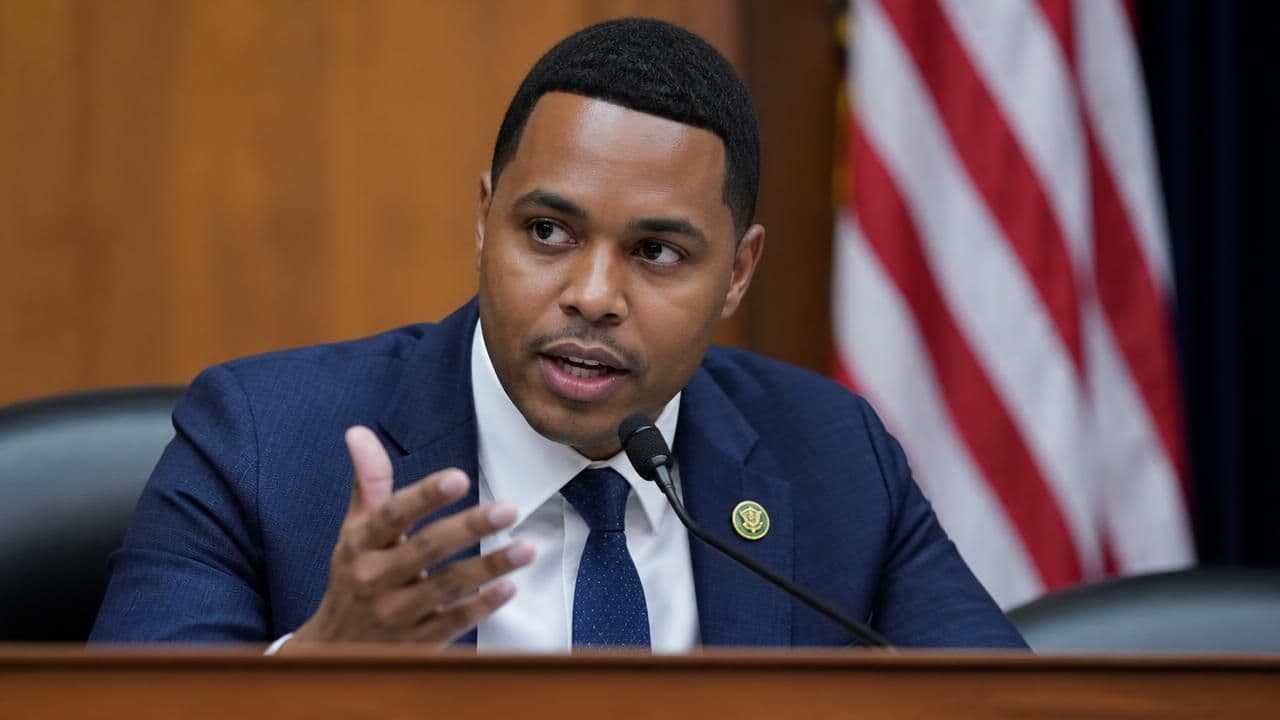
In North Carolina, Representative Chuck Edwards was formally censured over harassment allegations—a rare rebuke from his legislative peers. While some see it as a meaningful step towards accountability, others argue that censure is merely symbolic and does little to address the power dynamics that allow workplace misconduct to persist. This case adds to a growing list of elected officials facing consequences for behavior once swept under the rug.
Migrant Dies in ICE Custody
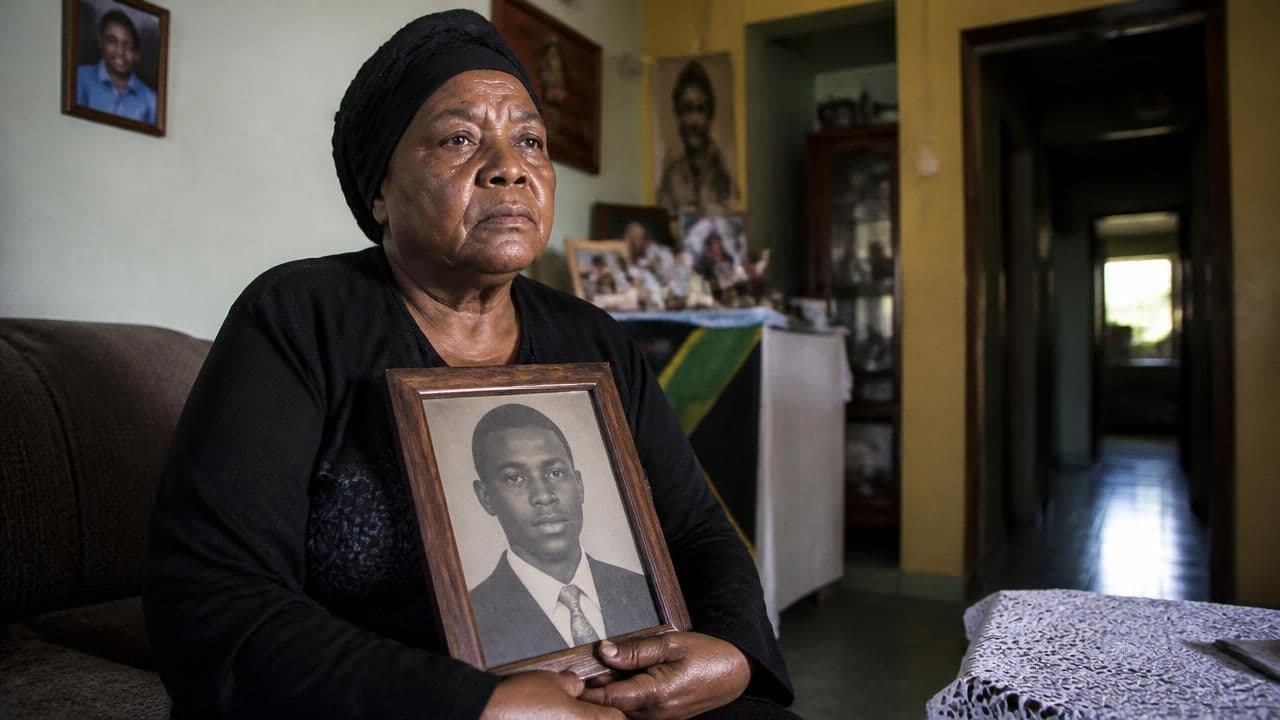
A stark reminder of the human cost of immigration enforcement emerged with the news that an ICE detainee died within hours of admission to a detention center. Deaths in custody have become a recurring tragedy, with advocacy groups pointing to substandard medical care and overcrowded facilities. The agency has said it is investigating the incident, but for many critics, this is another indictment of a system that prioritizes detention over dignity.
Tariffs and the Midterms in a Michigan Border Town
In a Michigan border town, the debate over tariffs is complicating the electoral landscape ahead of the midterms. Voters in trade-exposed communities are weighing the impact of protectionist policies against their immediate economic insecurity. The report suggests that neither major party has a clear hold on these voters, as they navigate the uncertainty of global supply chains and domestic manufacturing jobs. Here, policy has a face, and it is the face of a workforce feeling left behind.
Zohran Mamdani's Supporters: A Glimpse into NYC's Political Future
Meanwhile, a New York Post investigation into mayoral candidate Zohran Mamdani's network has raised questions about the influence of radical activists. The report outlines the groups and individuals who would have Mamdani's ear—and, as the headline implies, who he could owe political favors to if elected. Supporters hail his close ties to grassroots movements as a long-overdue break from corporate influence, while critics warn of a city administration beholden to far-left ideologues. The piece underscores the growing polarization in American urban politics, where the battle for the progressive soul is as much about alliances as it is about policy.
A Common Thread: The Fight for Accountability
What connects these disparate stories? Each, in its own way, is a stress test of accountability mechanisms. In Israel, the denial of entry to critics is an enforcement of ideological borders. In Arab states, protest crackdowns reveal the fear of populist anger. In North Carolina, the censure vote demonstrates the slow, often insufficient machinery of institutional self-policing. The ICE death and the border-town economic anxieties highlight the human consequences of policy choices made in Washington. And New York's mayoral race shows how political power is being negotiated in real-time.
Whether on the streets of Amman, the corridors of Raleigh, or the checkpoints of Tel Aviv, these tales are interwoven by a public's growing insistence on transparency and justice. As the U.S. midterms approach and as international pressure mounts over Gaza, the world is left to ponder: will those in power continue to suppress dissent, or will the demands for accountability become an unignorable force for change?