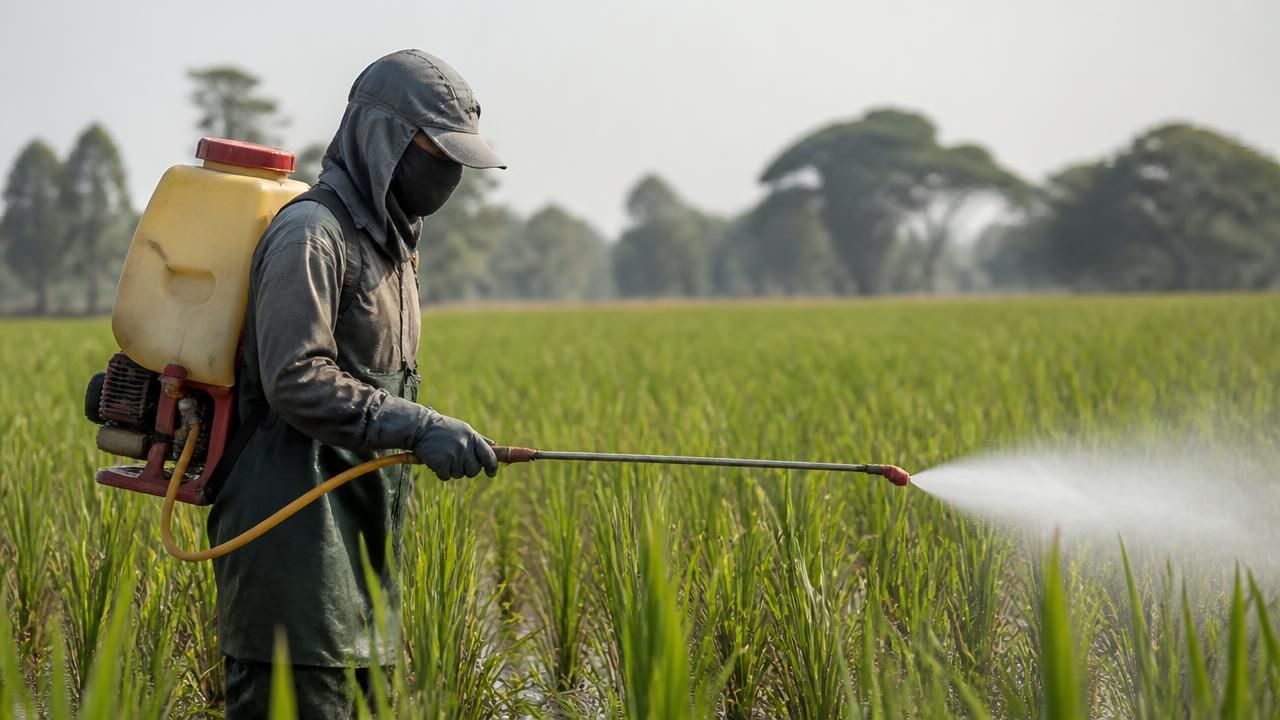
A comprehensive new study commissioned by the Pesticide Action Network (PAN) has dropped a bombshell on global agriculture: an estimated 402 to 433 million farmers and farmworkers suffer from unintentional acute pesticide poisoning every single year. That equates to nearly half of the world's agricultural workforce. The research, which analyzed publicly available data from 2006 to 2023, also found that pesticide poisoning kills roughly 11,000 people annually — and India is the epicenter, accounting for nearly 60% of those fatalities.
The figures, first reported by The Guardian, have sent shockwaves through public health and environmental circles. But this is not just one report; it is part of a convergence of evidence from investigative journalism, humanitarian organizations, and scientific bodies that together paint an alarming picture of chemical farming's hidden costs.
A hidden epidemic on the frontlines of food production
The study's authors define 'unintentional acute pesticide poisoning' as cases where individuals experience acute symptoms after exposure to pesticides, whether through skin contact, inhalation, or ingestion. Farmers and agricultural workers are most at risk, especially in low- and middle-income countries where protective equipment is often absent and regulations are weak.
“My right side was paralysed, I was so sick,” a Brazilian farmworker told The Guardian, recounting a pesticide poisoning episode that left her with lingering neurological damage.
That testimony comes from Brazil, where a separate investigation by The Guardian traced hazardous pesticides used on local farms back to the United Kingdom, illustrating how chemicals banned or restricted in wealthy nations continue to be manufactured and exported for use abroad. This pattern is echoed across the globe:
- In Kenya, Greenpeace Africa has documented use of a deadly pesticide, despite warnings about ineffective safety measures.
- In Lebanon, Raseef22 reported that 76% of food samples tested were contaminated with banned pesticides.
- In Nepal, Nepali Times warned of “lethal veggies” in local markets.
- In Yemen, even the prized Sidr honey trade is being tainted by drug growers' pesticide use.
- In India, SabrangIndia reported over 7,000 pesticide poisoning cases each year to a global meet — though the true scale is likely far higher, as the PAN study suggests.
The poison pill in cheap food
Investigative reporting has long linked this crisis to the economics of industrial agriculture. A Reuters investigation, “The poison pill in India's search for cheap food,” exposed how pesticide subsidies and aggressive marketing have trapped farmers in a cycle of debt and disease. Another Reuters special, “Fateful Harvest,” explored why Brazil — the world's largest consumer of pesticides — has such a big appetite for risky chemicals, often ones banned in Europe.
The burden falls disproportionately on the poorest. The Food and Agriculture Organization (FAO) notes that of the 1.1 billion people working in agriculture, nearly half are wage labourers, often earning below subsistence level. As In These Times and the Center for Biological Diversity highlight, pesticide exposure is a form of environmental injustice, with farmworkers and rural communities of color bearing the brunt.
Environmental fallout: from California waterways to insect apocalypse
The crisis is not confined to human health. The Guardian separately reported that about half of California's waterways are contaminated with PFAS (per- and polyfluoroalkyl substances) linked to pesticides. Meanwhile, National Geographic documented an insect 'apocalypse' driven by a 50-fold increase in toxic pesticide use since 1992. This loss of pollinators and beneficial insects threatens the very ecosystems agriculture depends on.
Critics argue that the regulatory system is failing. “The battle over pesticides in Europe,” an investigation by Investigate Europe, reveals how corporate lobbying has watered down proposed bans. Greenpeace's Unearthed unit identified the pesticide giants making billions from toxic and bee-harming chemicals, highlighting a business model at odds with sustainability.
The corporate and regulatory maze
Despite evidence of harm, pesticide use continues to expand. A The New Lede report raises alarms about genetically modified wheat inching closer to U.S. fields, which could lead to increased herbicide use. On the other hand, some efforts are underway: Vox explains how banning highly hazardous pesticides can prevent tens of thousands of suicides a year, as deliberate self-poisoning accounts for a significant share of global suicides.
Alternatives and hope: organic, natural farming and smarter tools
Amid the gloom, there are signs of change. Atmos argues that farmworker pesticide exposure is exactly why organics matter, calling for a shift away from chemical-intensive agriculture. Global Health Now explores how natural farming methods in India can improve farmers' health. Borgen Magazine reports on the importance of farmer involvement in sustainable agriculture in Vietnam.
Innovation is also offering chemical-free solutions. The Guardian reported on a new 'sticky trap' glue spray that kills plant pests without toxic chemicals. Such tools, combined with agroecological practices and stricter international regulation, could help break the cycle.
“Almost half of the world's farmers are being poisoned every year — this is a silent, ongoing disaster that we have the power to stop,” said a PAN spokesperson.
A call to action
The stakes could not be higher. The data from this study alone suggests that hundreds of millions of people are being harmed by the very systems designed to feed the world. From the farmlands of India to the vineyards of Brazil, the message is clear: the true cost of cheap food is being paid by those who grow it.
Experts urge governments to ban the most hazardous pesticides, enforce safety standards, and invest in sustainable farming research. The global community must confront the double standard where chemicals banned in the West are freely exported to developing nations. As this study and the flood of related investigations demonstrate, pesticide poisoning is not an accident — it is a policy choice. And as the evidence mounts, so does the moral imperative to change course.