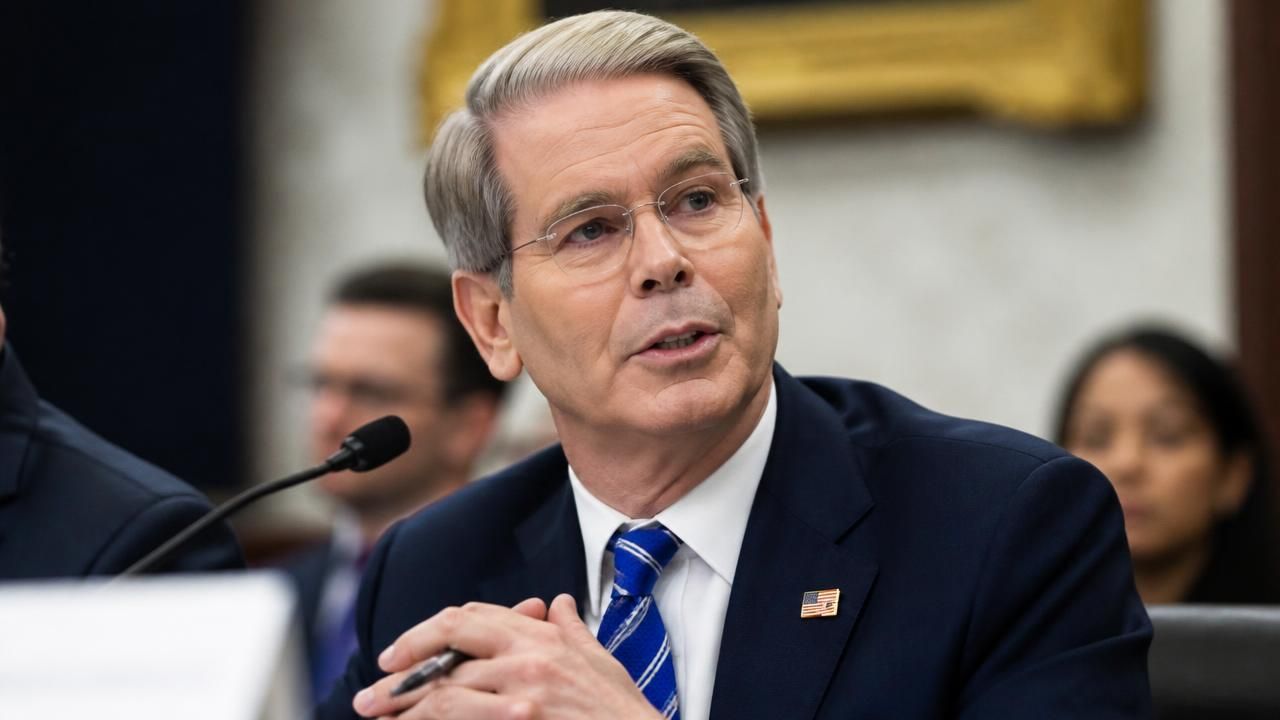
The Strait of Hormuz, the world's most critical oil chokepoint, is at the center of a whirlwind of contradictory developments. US Treasury Secretary Scott Bessent has declared that the waterway will soon become “ worthless” and “bypassed,” while simultaneously suggesting a deal with Iran could reopen it for “freedom of movement” as early as “today or tomorrow.” These statements come amid a sharp escalation in US-Iranian military conflict, with fresh American strikes and Iranian retaliation raising fears of a wider regional war.
A Contradictory Message From Washington
Speaking after the latest round of hostilities, Bessent told Bloomberg that the Strait of Hormuz route will eventually be bypassed and become “ worthless.” His comments reflect a long-simmering strategic push by Washington and its allies to reduce dependence on the narrow waterway, through which roughly 20% of global oil consumption passes. “The future is not in chokepoints,” Bessent implied, as new pipelines, overland routes, and alternative energy sources emerge.
Yet in the same breath, Bessent told reporters that a deal with Iran to reopen the strait “could be reached today or tomorrow,” according to Forbes. The apparent paradox suggests the Trump administration is simultaneously applying maximum military pressure while keeping diplomatic channels open—an approach that has left markets and allies guessing.
“It’s a very fluid situation. The Strait of Hormuz will be bypassed; it will become a worthless piece of water. But we are also willing to make a deal that ensures freedom of navigation,” Bessent said, as quoted by multiple outlets.
The Push to Bypass a Global Chokepoint
Bessent’s prediction is not new in substance, but its timing is striking. Several infrastructure projects have been proposed or revived to circumvent Hormuz. The Times of Oman framed this as a “Hormuz Connectivity Doctrine”—a strategic realignment where Gulf states and their allies invest in land-based pipelines to export crude directly to Red Sea or Mediterranean ports, avoiding the strait entirely.
In a concrete development, Anadolu Agency reports that Iraq is preparing to reopen a land route through Syria to export oil, bypassing the Gulf altogether. This route, dormant for years due to conflict, could provide Iraq with an alternative to shipping through Hormuz. Meanwhile, the UAE has already operated the Habshan-Fujairah pipeline, which allows up to 1.8 million barrels per day to bypass the strait, and Saudi Arabia has its own East-West pipeline.
Chevron at the Center
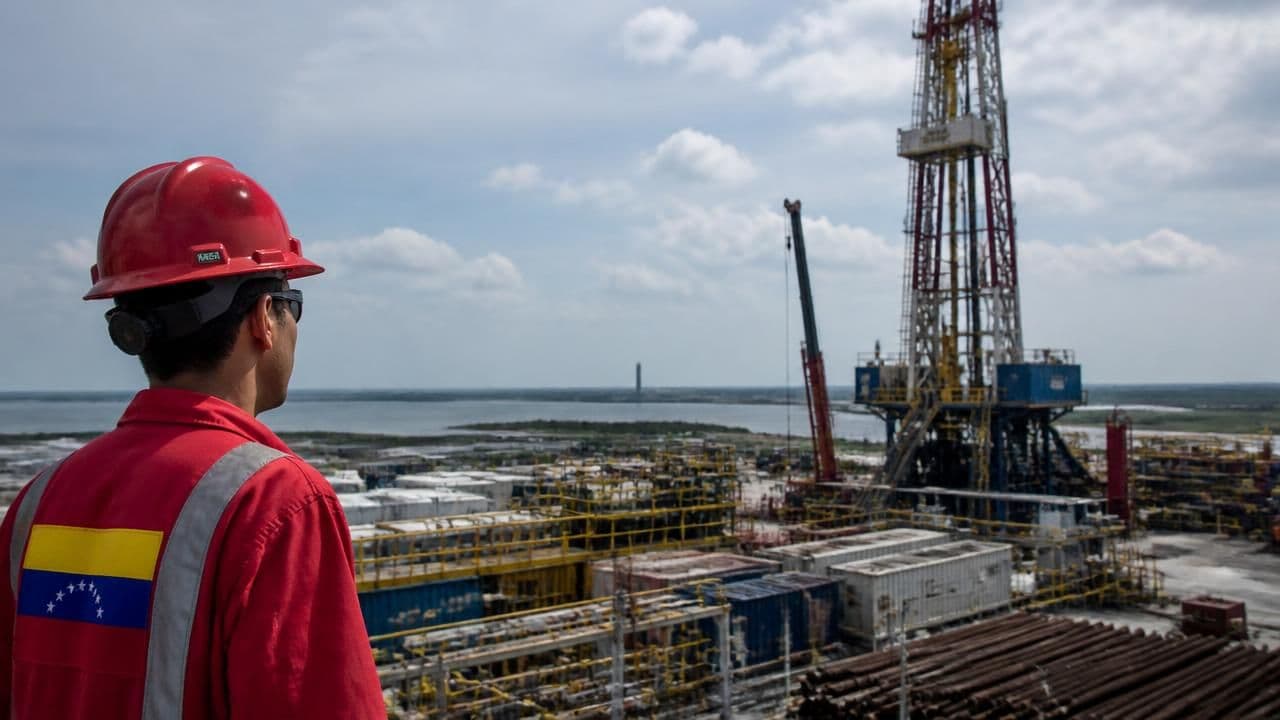
According to Yahoo Finance, Bessent’s declaration puts US oil giant Chevron at the center of the story. Chevron has significant operations in the Gulf and is a major player in the region’s energy infrastructure. Analysts suggest that if Hormuz becomes “ worthless,” Chevron’s strategic positioning in Kuwait, Saudi Arabia, and Iraq would need to be re-evaluated. The company’s stock saw volatile trading on the news, as investors weighed the implications of a potential deal versus continued conflict.
Escalation and War Warnings
While Bessent talks of bypasses and deals, the reality on the ground is grim. Iran’s army has warned that a “possible future war” with the US could spread across the region, as reported by Türkiye Today. US forces have conducted fresh waves of strikes, and Iran says it has retaliated. Al Jazeera reports that Iran has not yet decided whether to return to talks with the US, despite pressure from Washington and its allies.
The dual track of pressure and diplomacy is reminiscent of the lead-up to the 2015 JCPOA, but with a far more volatile military backdrop. “Iran says no decision yet on a return to talks,” Al Jazeera’s headline reads, underscoring the uncertainty. Meanwhile, Dawn.com’s live updates describe “war returns to Iran with Israel, US strikes,” suggesting Israel may be coordinating with the US.
What Would Make Hormuz ‘Worthless’?
Bessent’s claim that Hormuz will become “ worthless” hinges on several long-term trends:
- Alternative Pipelines: Expansion of existing pipelines in Saudi Arabia and the UAE, plus new routes through Iraq-Syria, could divert a significant share of crude away from the strait.
- Renewable Energy: The global energy transition is reducing reliance on Gulf oil, though the pace remains slow.
- Strategic Stockpiles: Major importers like China and India are building strategic reserves to cushion supply disruptions.
- Assured Supply Guarantees: The US and its allies may offer security guarantees to oil buyers to bypass Hormuz.
However, experts remain skeptical. Oilprice.com notes that no matter how many pipelines are built, the sheer volume of LNG and oil that transits Hormuz every day—about 20.5 million barrels of oil and condensate—cannot be easily rerouted. “Even a modest disruption at Hormuz would cause a massive price spike,” one energy analyst told OilPrice. “Declaring it worthless is aspirational, not operational.”
Market Reactions and Global Implications
Brent crude prices initially rose on the news of fresh US strikes, then fell after Bessent’s comments about a possible deal. The volatility reflects deep uncertainty. If a deal to open the strait with “freedom of movement” were reached, it would likely lower oil prices and reduce geopolitical risk. But if conflict intensifies, prices could spike sharply.
Bessent’s statements also signal a shift in US strategy: instead of guaranteeing the security of the strait as in the past, Washington now seems intent on making it irrelevant. This would reduce the strategic importance of Iran’s ability to threaten the waterway, but it could also destabilize the Gulf region’s economies, which depend on tanker traffic.
Iran’s Calculations
Iran has not publicly responded to Bessent’s “ deal today or tomorrow” remark. Instead, its military has warned of a regional war. This suggests that Tehran may see the threat as more credible than the diplomacy. Iran’s foreign ministry said it would consider any return to talks only if the US demonstrates good faith by lifting sanctions and halting strikes. Until then, the possibility of a deal remains highly uncertain.
“The Iranian government has received the messages, but no decision has been made on whether to engage in negotiations,” a spokesperson said, per Al Jazeera.
Analysis: A High-Stakes Bet
Bessent’s “ worthless Hormuz” doctrine is a high-stakes bet on the future of energy infrastructure. If successful, it would fundamentally shift the balance of power in the Gulf, allowing the US and its allies to counter Iran’s leverage. If it falls short, the world remains exposed to a chokepoint that can be shut in a matter of days.
For now, the market is left to interpret a Treasury Secretary who is simultaneously predicting the obsolescence of the world’s most important oil route and negotiating to keep it open. The coming days will reveal which of these two futures—bypass or reopening—the administration truly seeks, and whether Iran is willing to engage.