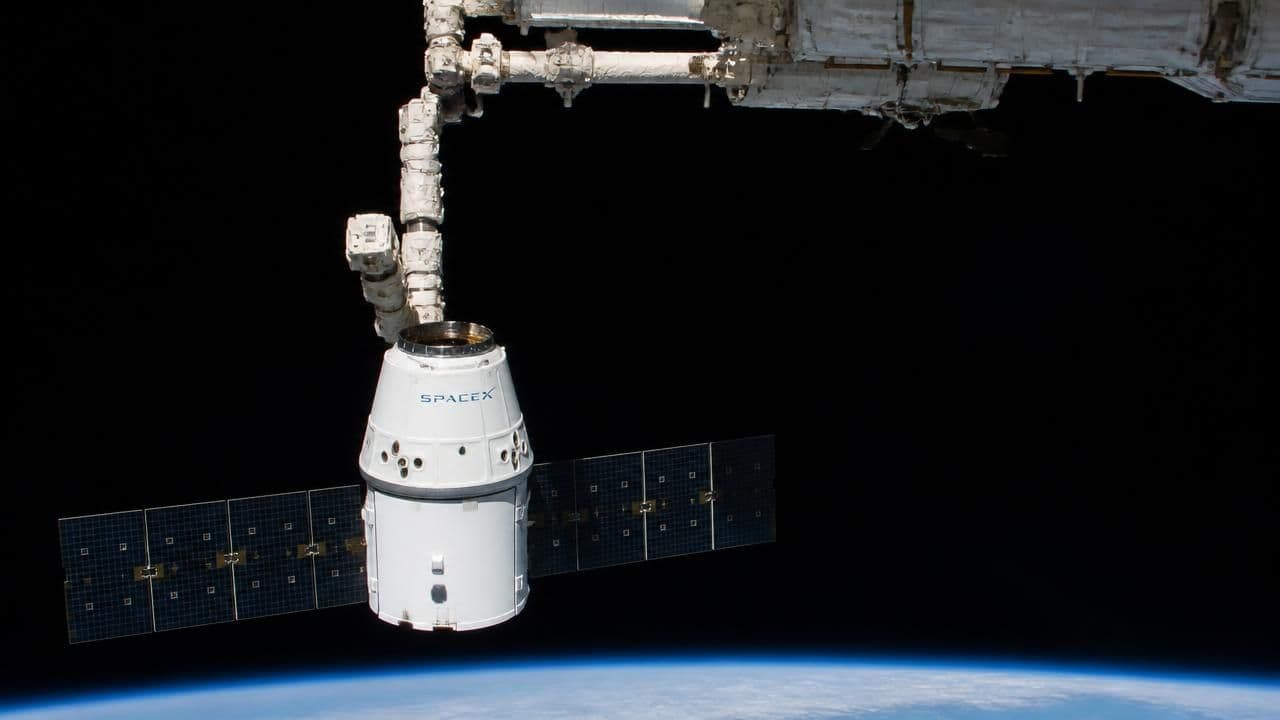
For the first time in more than 30 years, NASA has no firm plans to send any new landers or rovers to Mars. Instead, the agency's near-term focus at the red planet is on aerial drones—a pioneering mode of exploration that didn't seem realistic until a few years ago. This dramatic shift was outlined in recent reporting from Ars Technica, which notes that the agency is now betting on rotorcraft to carry the torch of Mars science.
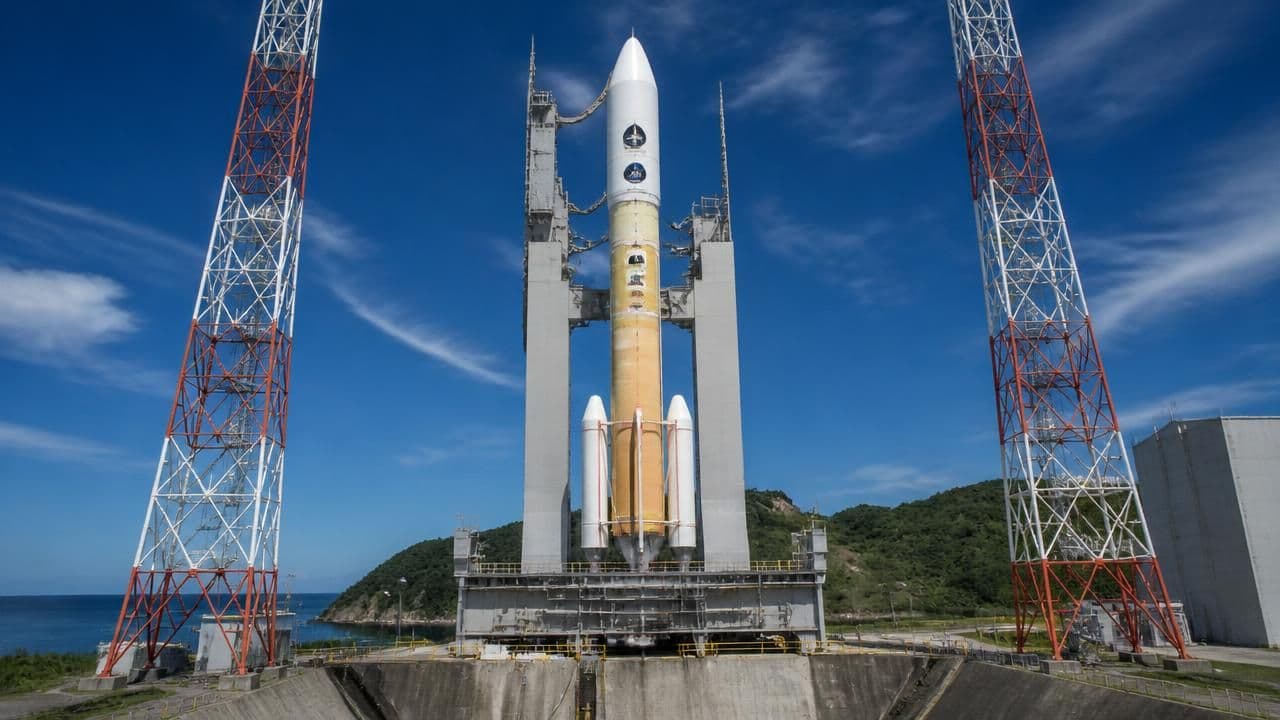
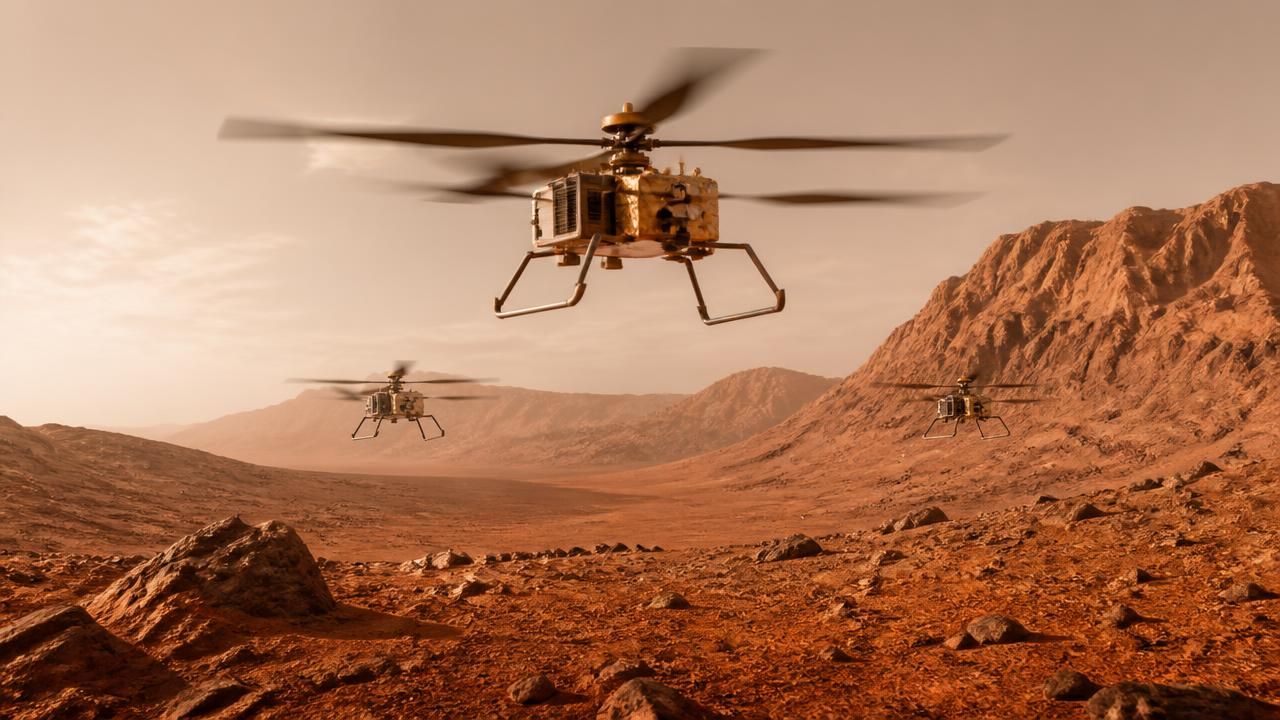
The centerpiece of this new strategy is the SkyFall mission, a fleet of three helicopters slated to launch as soon as late 2028. These aircraft will ride to Mars alongside NASA's Space Reactor-1 (SR-1) "Freedom" mission, whose primary objective is to demonstrate nuclear electric propulsion in deep space. The launch schedule is aggressive for projects that didn't even exist in NASA's portfolio six months ago, underscoring the agency's urgency to innovate.
A New Direction for Mars Exploration
SkyFall builds directly on the success of NASA's pioneering Ingenuity helicopter, which became the first rotorcraft to fly on another world in 2021. That experimental vehicle proved that powered flight is possible in Mars' thin atmosphere, opening the door for more advanced aerial science. The new fleet is expected to cover far more ground than rovers, accessing steep cliffs, canyons, and other terrain that wheeled vehicles cannot reach.
"The first real use of drones for science at Mars will come with the SkyFall mission, a fleet of three helicopters set for launch as soon as late 2028."
The SR-1 Freedom mission, estimated to cost $2.1 billion, will repurpose the core module of the canceled Gateway lunar space station into a testbed for nuclear electric propulsion. This technology could dramatically shorten deep-space transit times and enable more flexible mission profiles, making it a critical investment for future human exploration of Mars and beyond.
From Jezero Crater to the Aerial Frontier
NASA's last major surface mission, the Perseverance rover, landed in Jezero Crater in 2021—a site selected for its ancient lake and river delta, which preserve rich organic chemistry from early Mars. Space.com covered that landing site selection extensively, highlighting how Jezero offered the best chance to find signs of past microbial life. But with Perseverance and Curiosity now aging, and no new rovers in development, NASA is pivoting its scientific approach.
The shift is not without controversy. Some planetary scientists worry that abandoning rovers could limit the ability to conduct certain types of experiments, such as deep drilling or sample collection from varied terrain. However, proponents point out that helicopters are cheaper, faster to develop, and can survey areas that would take rovers years to traverse. The SkyFall mission will carry a suite of scientific instruments, including spectrometers and imaging systems, to study Martian geology and atmosphere from the air.
Perspectives from the Field
WRAL highlighted the aviation-first nature of the mission, calling it "an aviation first" for NASA. The agency is clearly embracing rotorcraft as a reusable, relocatable platform—a capability that could be used in future missions to Mars' moons or even Venus. Meanwhile, other outlets, including the Orlando Sentinel, attempted to cover related NASA plans but were region-restricted or unavailable; the core narrative remains consistent across available reporting.
The decision to partner SkyFall with SR-1 Freedom is also notable for its cost-saving logic. Instead of building a separate spacecraft for the helicopters, NASA is piggybacking on a nuclear propulsion demonstrator, which itself is repurposing hardware from the canceled Gateway project. This reflects a broader trend at NASA toward modular, multi-purpose missions that maximize the return on every launch.
What This Means for Future Mars Science
The implications are profound. Aerial drones could enable:
- High-resolution mapping of large regions, identifying potential landing sites for future crewed missions.
- Atmospheric sampling at varying altitudes to study dust storms, weather, and climate change on Mars.
- Exploration of hard-to-reach features like polar ice caps, canyon walls, and volcanic vents.
- Support for human exploration by scouting resources and hazards ahead of astronaut arrivals.
The timeline is tight, but NASA has a history of surprising the world with ambitious engineering. If SkyFall launches on schedule, it will mark the first time multiple rotorcraft operate simultaneously on another planet, opening a new chapter in planetary exploration.
Looking Ahead
The Mars program's pivot to helicopters and nuclear propulsion is a bold bet on the future. It acknowledges that the era of single, massive rovers may be giving way to fleets of smaller, more agile machines. As NASA's leadership often says, "We go to Mars to discover, and discovery demands diverse tools." Whether SkyFall delivers on its promise will depend on the next few years of intense engineering and testing—but for now, the red planet is about to get a lot more airborne.