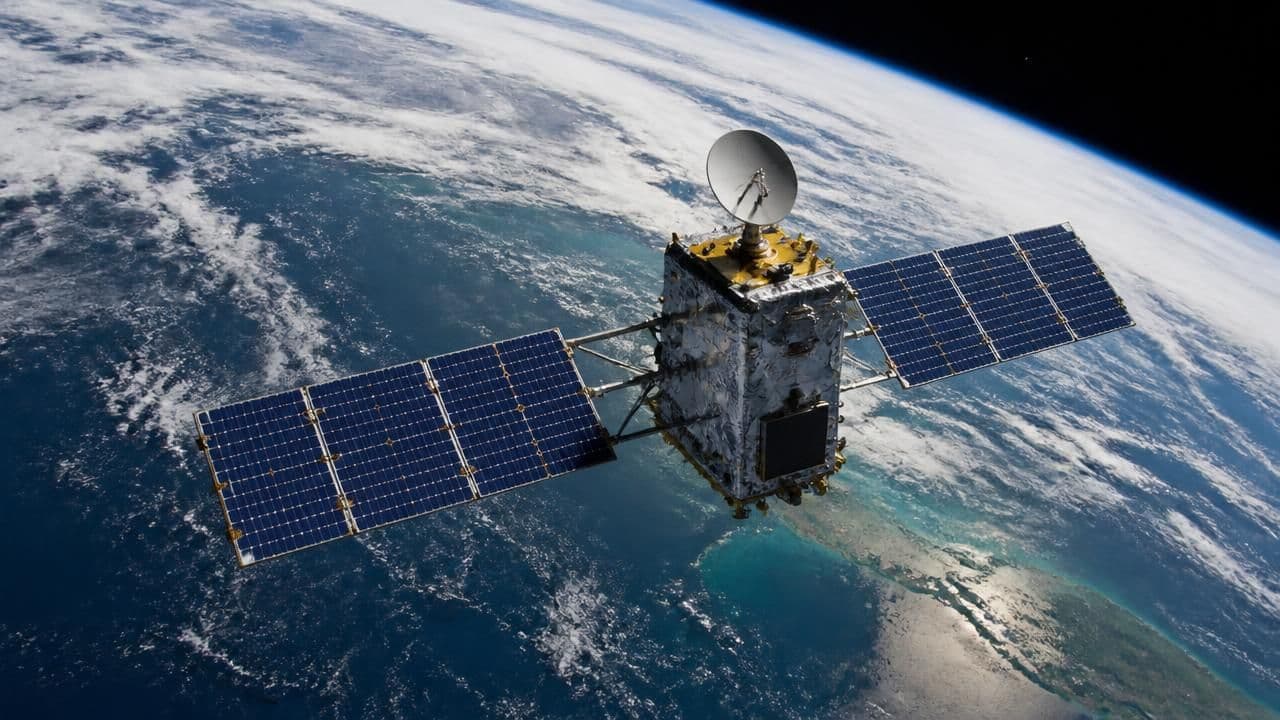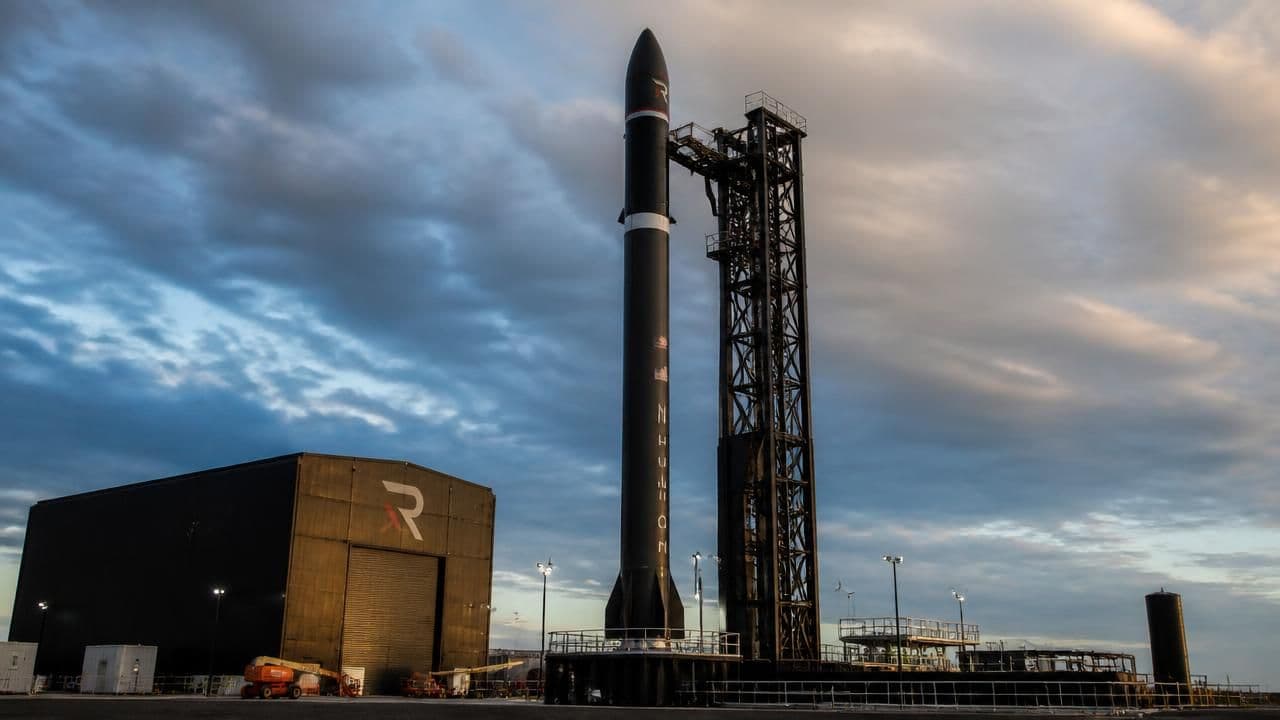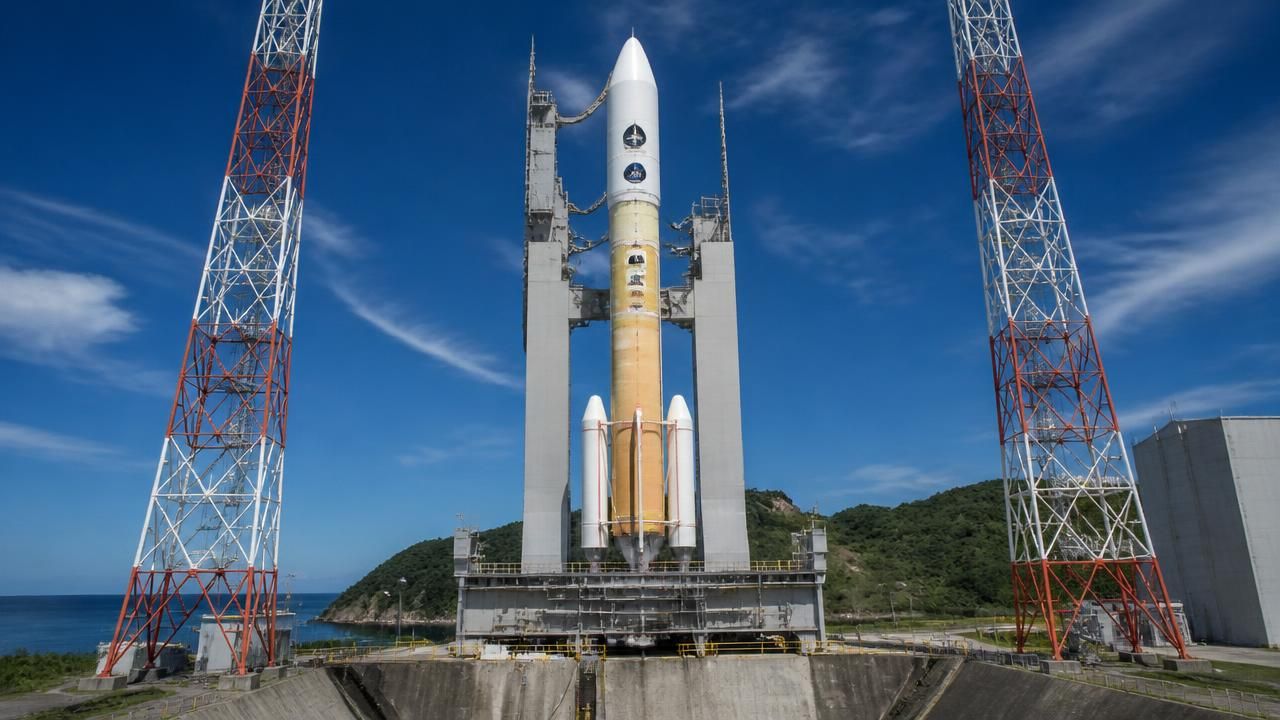
NASA is teaming up with Japan’s space agency on a bold mission to explore Mars’ mysterious moons and bring a piece of one back to Earth. The Martian Moons eXploration (MMX) spacecraft, led by JAXA (Japan Aerospace Exploration Agency), is targeting launch from the Tanegashima Space Center in Japan at 3:41 p.m. EDT on Monday, Oct. 19 (4:41 a.m. JST on Tuesday, Oct. 20). If successful, MMX will become the first mission to land on a Martian moon and return samples from it.
MMX aims to characterize and determine the origin of Phobos and Deimos, the two small, enigmatic moons that orbit Mars. Scientists have long debated whether these moons are captured asteroids or whether they formed from debris blasted off Mars by a giant impact. The answer could reshape understanding of the early solar system and Mars’ evolution.
NASA’s Role in an International Mission
While JAXA leads MMX, NASA is contributing critical instruments and expertise. NASA is providing the Mars-moon Exploration with Gamma rays and Neutrons (MEGANE) spectrograph, which will measure gamma rays and neutrons emitted from the moons to determine their elemental composition. It is also supplying the Pneumatic Sampler (P-Sampler), a technology demonstration designed to collect sample material using a burst of compressed gas—a simpler, more robust alternative to mechanical drilling. In addition, NASA is supporting communications and navigation for the spacecraft and will participate in sample curation.
“The samples from MMX will bring forth paradigm-shifting science on the Mars system for generations to come, especially as NASA prepares to send the first humans to Mars,” said Nicky Fox, associate administrator of NASA’s Science Mission Directorate. “The NASA-JAXA sample curation partnership is extremely valuable, and I am proud that NASA Science is supporting MMX sample curation and will be sharing portions of these samples for study as we continue to expand humanity’s understanding of the universe for the benefit of all.”
Landing on a Doomed Moon
The primary target is Phobos, the larger and inner of the two moons. Phobos is a small, irregularly shaped body—only about 22 kilometers (14 miles) across—that orbits Mars closer than any other moon in the solar system. It is also “doomed”: gravitational tides are slowly pulling it inward, and in roughly 30 to 50 million years it will either crash into Mars or break apart into a ring of debris.
Phobos bears a giant scar: Stickney crater, which is about 9 kilometers (5.6 miles) wide and covers a significant fraction of the moon’s surface. As ScienceDaily has highlighted, this enormous crater may be the key to unlocking Phobos’ origin. The impact that created Stickney nearly shattered the moon, exposing material from its interior. When MMX lands and collects samples, it may obtain material that originated deep inside Phobos—or even fragments of Mars itself if the moon formed from a giant impact.
USA Today has framed the mission as a NASA-backed effort to land on a Mars moon and bring samples home. That simple description captures the audacity of MMX: no spacecraft has ever landed on a Martian moon, and no sample has ever been returned from the Martian system. The mission will also study Deimos during flybys, providing a broader picture of both moons.
Why It Matters for Human Exploration
The broader context extends beyond planetary science. NASA wants to send humans to Mars in the 2030s, and a crewed mission could unlock geologic mysteries of the Red Planet. Robotic precursors like MMX are essential steps toward that goal. By studying Phobos up close, MMX will help engineers understand the radiation environment, surface properties, and operational challenges of landing on and departing from a small body in the Martian system. The samples will also inform plans for using local resources—such as water ice or regolith—to support future astronauts.
As Lake County News noted in its space coverage, a crewed Mars mission could transform our understanding of Mars’ geology. But before humans go, robots must lay the groundwork. MMX will test technologies and gather data that could reduce risks for astronauts. The mission’s sample return also creates a scientific legacy: pristine material from Phobos will be studied in laboratories on Earth for decades, using instruments far more powerful than any that can be flown on a spacecraft.
How the Mission Will Work
After launch, MMX will cruise to Mars, arrive in orbit, and spend several years surveying Phobos and Deimos. The spacecraft will then descend to the surface of Phobos, collect a sample using a corer or the P-Sampler, and launch back toward Earth. If all goes well, the sample capsule will parachute to a landing in the early 2030s.
NASA’s MEGANE instrument will play a crucial role before landing. By detecting gamma rays and neutrons, it can map the elemental composition of the moons from orbit, helping scientists choose the best landing site and understand whether Phobos is a captured asteroid or a reaccreted pile of Mars impact debris. The P-Sampler, meanwhile, will demonstrate a pneumatic technique that could be used on future missions to small bodies, where low gravity makes traditional drilling difficult.
Synthesizing the Perspectives
Different outlets emphasize different angles. NASA’s own coverage stresses international partnership, sample curation, and the link to eventual human missions. USA Today focuses on the headline-grabbing goal: landing on a Mars moon and bringing samples home. ScienceDaily highlights the mystery of Phobos’ origin and the role of Stickney crater. Lake County News places MMX in the larger narrative of NASA’s plans to send humans to Mars in the 2030s.
Together, these perspectives reveal a mission that is at once robotic and human, scientific and exploratory. MMX is not just about answering a centuries-old question about two tiny moons. It is about learning how to operate in the Martian system, how to return samples from deep space, and how to prepare for the day when humans set foot on Mars.
With launch just days away, the world will soon watch as a Japanese spacecraft, carrying American instruments and ambitions, begins its long journey to the Red Planet’s mysterious, doomed moon.