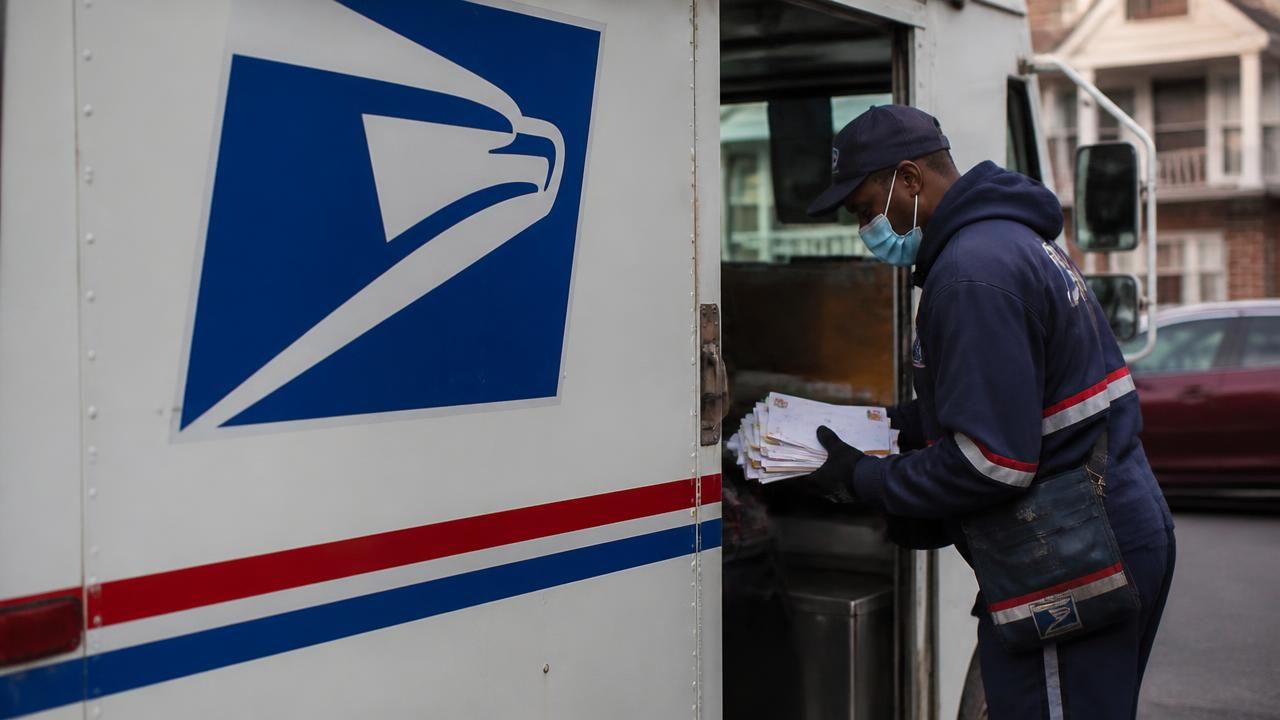
A whistleblower has come forward with alarming allegations that the U.S. Postal Service is rushing to implement an online system for President Trump's push to restrict mail voting, a system they say could 'derail' the midterm elections and has 'potentially catastrophic problems.' The claims have intensified a legal and political firestorm over voting by mail, with federal courts already stepping in to block parts of the administration's agenda.
The whistleblower, whose identity has not been disclosed, warned that the new system could fail at multiple critical points, potentially disenfranchising millions of voters. The warning comes as several court cases are challenging the Trump administration's executive order on mail voting, which critics say is an attempt to suppress the vote.
Whistleblower's Warning: 'Potentially Catastrophic Problems'
According to a complaint reviewed by multiple news outlets, the whistleblower said the USPS is rushing to build and deploy an online tracking and verification system tied to President Trump's executive order requiring stricter identification for mail ballots. The system, the whistleblower claims, is under-tested and could malfunction in ways that delay or invalidate ballots.
“The system has potentially catastrophic problems that could derail the midterm election if courts allow it to proceed,” the whistleblower told investigators.
CNN reported that the whistleblower, an employee within the USPS, said the system could fail at multiple points, including:
- Verification of voter signatures against state databases
- Timely delivery of ballots to election officials
- Tracking of ballots that could create backlogs
- Security vulnerabilities that could compromise voter data
The whistleblower also accused Trump officials of defying court orders related to election procedures. The New York Times reported that the complaint alleges officials have continued to push the rule despite a federal judge's injunction, raising concerns about contempt of court and a constitutional crisis.
Courts Step In: Boston Judge Blocks USPS Rule
In a significant judicial rebuke, a federal judge in Boston temporarily blocked the USPS rule that would tighten mail voting requirements. The judge ruled that the rule, which was part of Trump's executive order, likely violates federal law and could disenfranchise voters. The order had been challenged by voting rights groups and several states.
The executive order, signed in March, mandated that mail ballots be received by Election Day unless states changed their laws, and required stricter ID verification. Critics argued it was an unconstitutional overreach into state election administration. The Boston ruling halts the rule nationwide, according to federal court documents. Similar challenges have been filed in other states, and a separate executive order was also halted by a federal court in a related case.
Supreme Court's Shadow Over the Ballot
Advocacy groups, including Defiance.news, which is representing voters in legal challenges, have warned that the Supreme Court recently allowed Trump to get 'one step closer' to controlling ballots. While the Boston ruling provides temporary relief, the high court's decision to let parts of the executive order stand has escalated concerns.
“Our lawyers are standing in his way,” Defiance.news said in a statement, vowing to continue fighting the administration's attempts to restrict mail voting. Legal experts say the case could ultimately reach the Supreme Court, setting up a high-stakes constitutional showdown.
Judicial Nominee Under Fire
In a related development, more than 75 former federal judges have urged the Senate Judiciary Committee to reject the nomination of Emil Bove to a lifetime federal judgeship. Bove, a former Trump administration official, has been linked to efforts to challenge election results. The judges, in a letter, expressed concerns about his record on voting rights and judicial independence.
While Bove's nomination is separate from the USPS whistleblower case, it highlights the broader battle over election integrity and the Trump administration's efforts to shape the judiciary in ways that could affect future rulings on voting laws.
How the Media Is Framing the Story
The story has been covered extensively, with different outlets emphasizing different angles. NPR and CBS News focused on the whistleblower's dramatic language, using terms like 'derail' and 'potentially catastrophic problems.' The New York Times highlighted the defiance of court orders, framing it as an administration willing to break legal boundaries. CNN provided technical details about the multiple points of failure in the system, while local outlets like Fedweek and mezha.net reported on the court rulings.
Conservative media, meanwhile, have tended to downplay the concerns, portraying the whistleblower as a partisan actor and the court rulings as judicial overreach. This divergence underscores the deep polarization surrounding voting access in the United States.
The whistleblower's complaint has been referred to the USPS Office of Inspector General, and several members of Congress have called for hearings. The future of the mail ballot system—and the integrity of the 2022 midterms—may now hinge on the courts and the speed with which the USPS can address the alleged flaws.