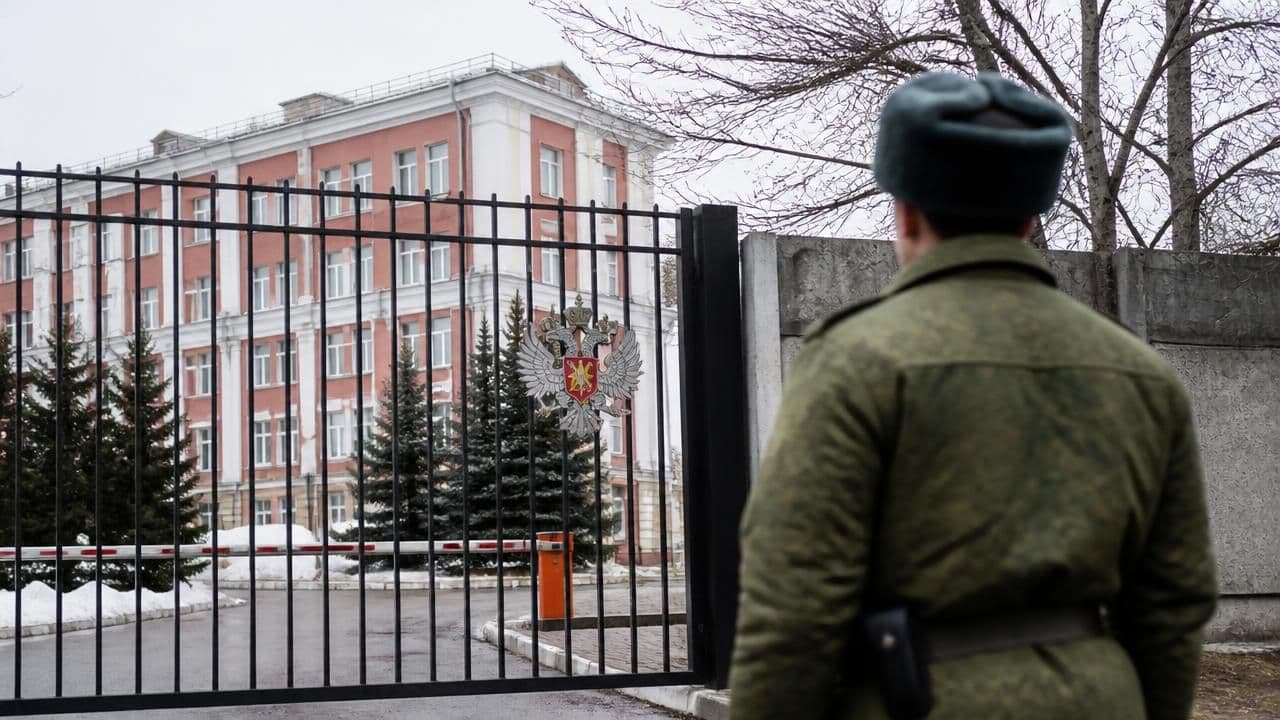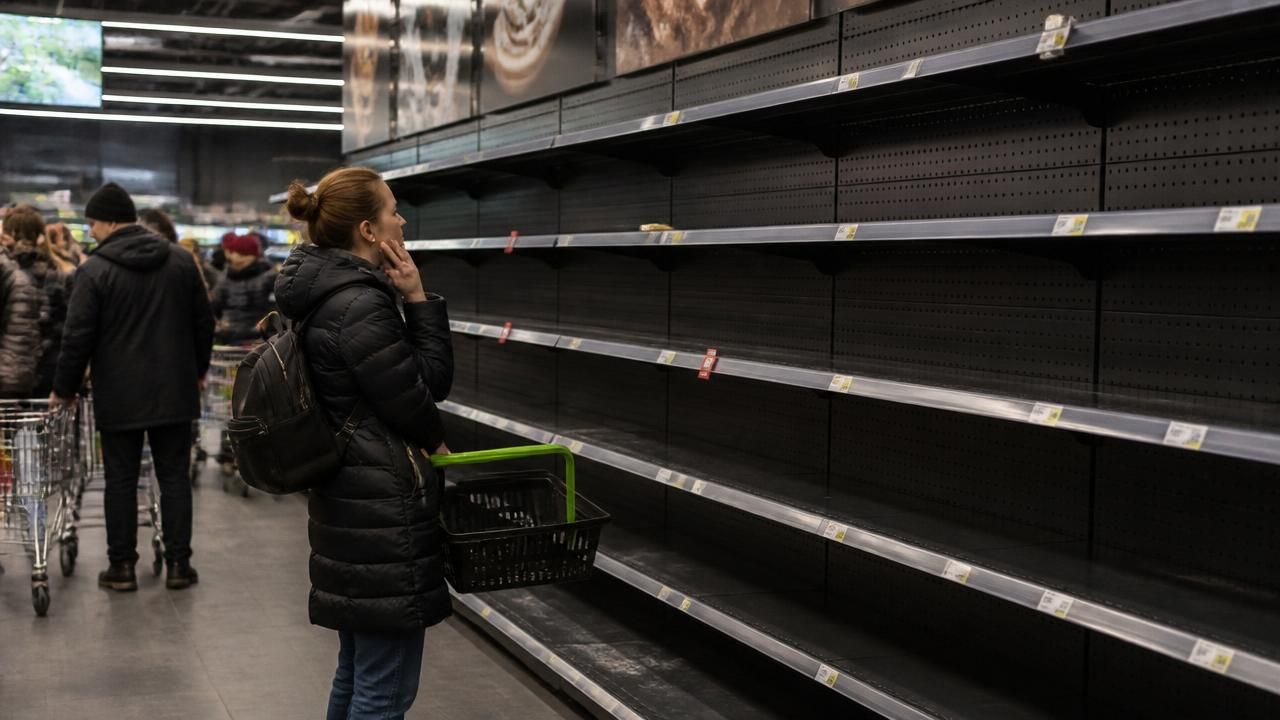
For the fifth straight day, Russian forces unleashed relentless attacks on Kyiv and cities across the region, using jet-powered drones to strike warehouses and infrastructure. The sustained bombardment has left some supermarket shelves bare, rattling a population already weary from more than a year of war. The images from the Ukrainian capital are stark: empty aisles where staples once stood, long queues at shops that remain open, and a growing sense of unease among residents who fear the worst is yet to come.
According to NPR and other outlets monitoring the situation, the repeated strikes on warehouses have crippled parts of the city's food supply chain. One report described how a single drone attack on a major distribution center forced several grocery chains to ration deliveries. The Ukrainian Emergency Service has been working round the clock to extinguish fires and clear debris, but the psychological impact is immediate: shoppers are hoarding basic goods, and store managers are struggling to reassure customers.
A Fifth Day of Bombardment
The latest wave of attacks marks an escalation in Russia's aerial campaign against Ukraine's civilian infrastructure. Jet-powered drones—distinct from the slower propeller-driven models used earlier in the war—have been particularly effective at evading air defenses, officials say. They are faster, harder to track, and often strike with little warning.
In Kyiv, the sounds of explosions and air raid sirens have become a nightly ritual. Residential neighborhoods have not been spared; debris from intercepted drones has fallen on apartment blocks, and at least two civilians were injured in the past 24 hours, according to preliminary reports. The constant threat of attacks has disrupted daily life, with many schools and businesses shuttered for extended periods.
The Warehouse Crisis
The decision to target warehouses appears to be a deliberate strategy to break Ukrainian morale by attacking food security. Warehouses on the outskirts of the capital hold supplies destined for supermarkets across the region. Once hit, the supply chain buckles, and the effects ripple outward to store shelves.
- At least three major distribution centers have been damaged or destroyed in the last five days.
- Several supermarket chains have implemented purchase limits on bread, canned goods, and water.
- Municipal authorities are setting up mobile supply points in affected districts.
Empty Shelves and Frayed Nerves
The sight of empty shelves is deeply unsettling for Kyivans, many of whom remember the early days of the full-scale invasion when food was scarce. 'We thought we were past this,' one shopper told a local TV station, her voice trembling. 'Now it feels like 2022 all over again.'
Retail workers describe a desperate scramble. A manager at a large supermarket in the left-bank district said, 'We get a truck in, and it's empty within two hours. People are buying not just for themselves but for relatives in the suburbs who can't get out.'
The psychological toll is evident. Mental health professionals report an uptick in anxiety and stress-related complaints. Dr. Olena S., a psychologist volunteering with a Kyiv helpline, said, 'The constant need to check the news, the sirens, the uncertainty about food—this is a form of psychological warfare. They want you to feel helpless.'
How Different Outlets Are Framing the Story
The narrative from various news sources converges on the facts: Russia's jet-powered drones are causing real harm to Kyiv's supply chains and civilian morale. NPR's coverage focuses on the human impact—the empty shelves and the rattled residents. The Ottumwa Courier and other regional outlets are carrying the same wire story, emphasizing the scale of the assault. The SRN News version highlighted the strategic shift toward warehouse strikes, while The Temple Daily Telegram echoed the official Ukrainian Emergency Service reports.
Each outlet puts a slightly different spin. Some emphasize the military aspect, noting that this new drone type could signal a change in Russia's arsenal. Others focus on the resilience of Kyiv residents, who despite the hardships are finding ways to adapt. The common thread is that the attacks are not random; they are intended to erode the Ukrainian will to resist.
Strategic and Humanitarian Implications
The long-term consequences of this campaign are significant. If the destruction of warehouses continues, Ukraine will need to rely more heavily on international humanitarian aid. The United Nations has warned that winter could bring a renewed humanitarian crisis if infrastructure remains under attack.
Experts argue that the focus on food storage is a calculated move. Dr. Mark Petr, a military analyst at the Atlantic Council, explained, 'By hitting these non-military targets, Russia is attempting to create conditions where public discontent could force the government to negotiate. It's a classical coercive strategy.' However, he noted that such tactics often backfire, strengthening Ukrainian resolve and prompting further Western military support.
For now, Kyiv's supermarkets are slowly restocking, but the threat persists. Air raid sirens continue to wail each night, and residents know that the jet-powered drones could return at any moment. The empty shelves are a stark reminder that the war is far from over, and the battle for Ukraine's cities is as much about food as it is about territory.
'We will not be broken by empty shelves. We have survived worse, and we will survive this too.' — Kyiv resident, as reported by local media.
The eyes of the world remain fixed on Kyiv, where ordinary people are once again demonstrating extraordinary endurance. But the question on everyone's lips is simple: when will it end?