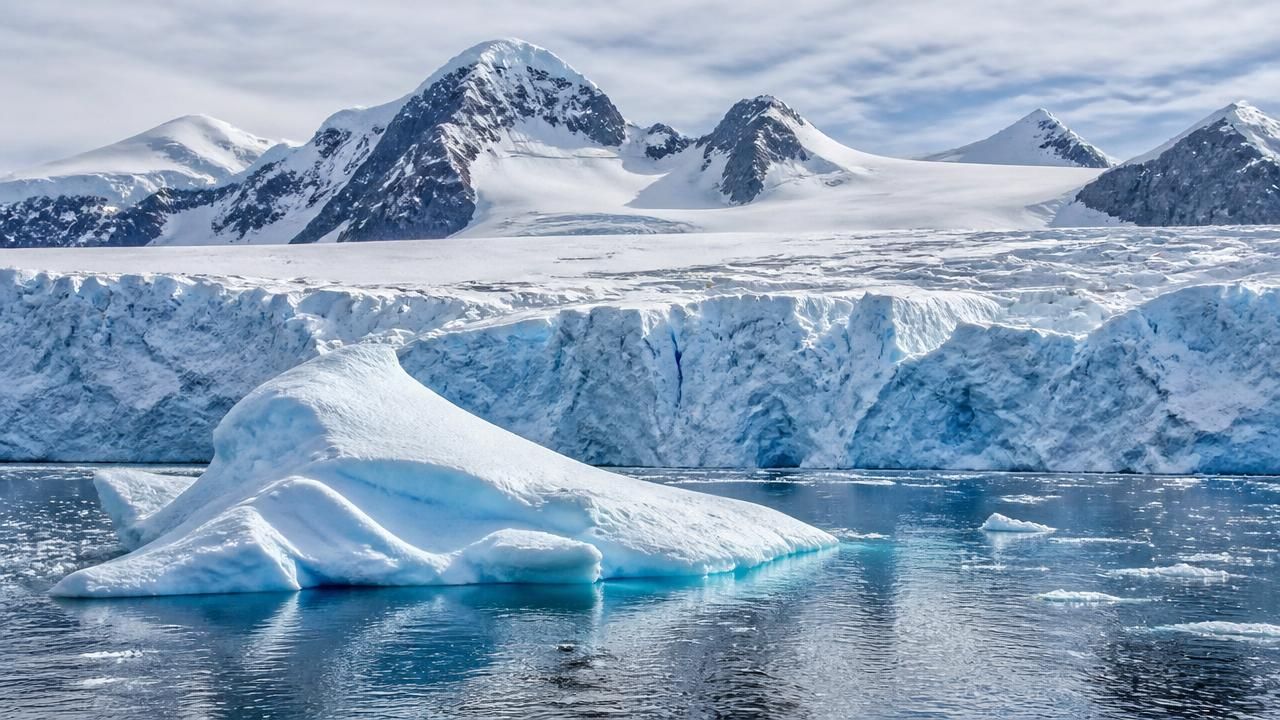
Beneath Antarctica's vast ice sheet lies a world far more dynamic than scientists ever imagined. Over the past year, a wave of research has uncovered hidden earthquakes, subglacial rivers, ancient landscapes, volcanoes, and mysterious ecosystems — discoveries that are reshaping our understanding of the frozen continent and its future in a warming climate.
Hidden Earthquakes Shake the 'Doomsday Glacier'
One of the most striking findings comes from the Thwaites Glacier, nicknamed the "Doomsday Glacier" due to its potential to raise global sea levels by several feet. According to a study reported by Science Daily, hundreds of previously overlooked seismic events have been detected beneath Antarctica, including 245 near Thwaites' marine edge. Many appear to be glacial earthquakes caused when huge icebergs break off, capsize, and collide with the glacier. The surge in activity coincided with a period when Thwaites was flowing faster toward the ocean, hinting that changing ocean conditions may be destabilizing the ice.
"These are not your typical earthquakes," researchers noted. "They are a direct response to how the ice is interacting with the ocean and the bedrock beneath it."
A Subglacial Plumbing Network
Scientists have also discovered an intricate system of water flowing beneath the ice. A hidden "plumbing" system is driving Antarctic ice into the ocean, according to Live Science. This includes an enormous river nearly 300 miles long, a giant river system that existed 40 million years ago, and a network of meltwater streams and lakes. Warm water has been found on the underside of Thwaites Glacier, accelerating melting from below. Hidden channels beneath East Antarctica could cause massive melt, while a deep hidden trench beneath another glacier may allow warm water to penetrate deep inland.
NASA has uncovered a system of mysteriously draining lakes, and some huge lakes thought to be hidden beneath the ice have vanished entirely. This subterranean hydrology is critical: water lubricates the base of the ice, speeding its flow toward the sea.
Ancient Secrets
Beneath the ice, the ghost of an ancient river-carved landscape has been discovered, along with a 40-million-year-old river system. These features are remnants of a warmer Antarctica, long before it became a frozen desert. Scientists have also found an ancient rocky structure that is interfering with modern ice flow, and thousands of hidden meteorites that could be lost forever as they sink into the ice.
Volcanic Heat from Below
Antarctica's hidden world is not just cold. Active volcanoes have been discovered beneath the ice sheet, and hidden volcanoes are melting Antarctic glaciers from below. One study suggests that 100 hidden volcanoes could erupt if the ice melts, potentially triggering a feedback loop. The "Doomsday Glacier" is also fighting an invisible battle against heat from the inner Earth, a new study found.
Life in the Dark
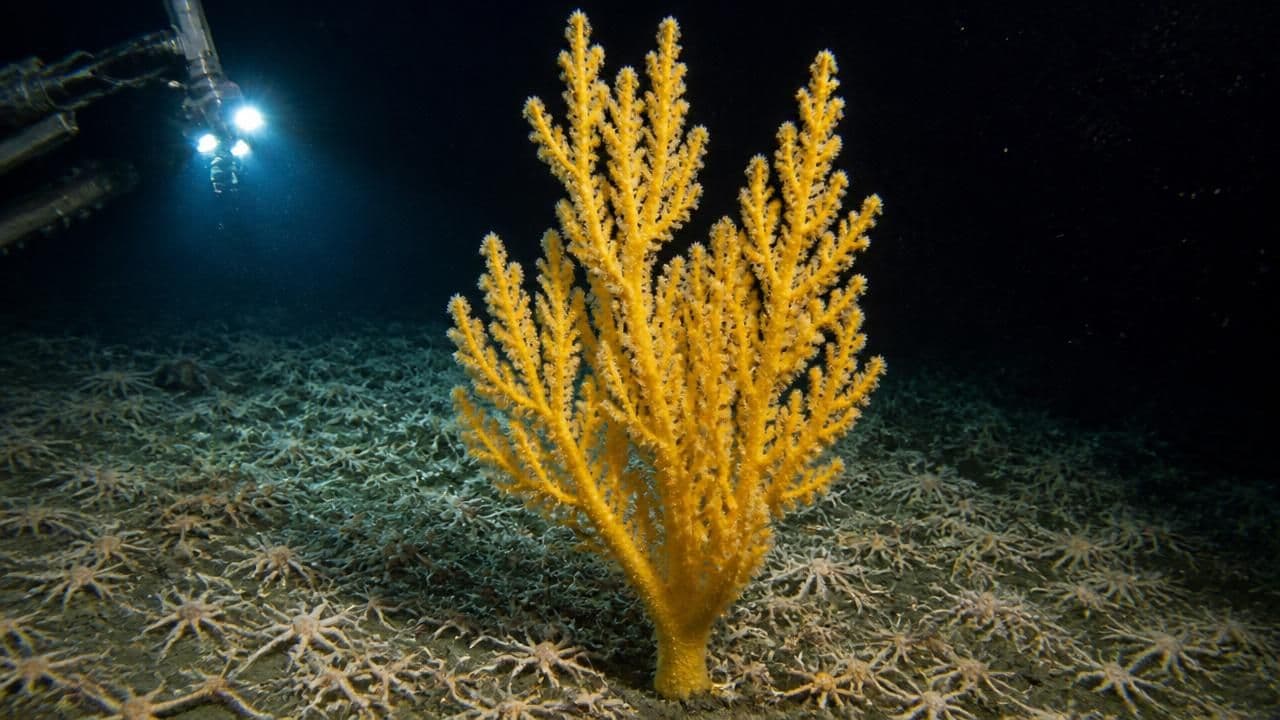
Perhaps most exciting are the biological discoveries. Researchers have found an "unimaginable diversity of life" beneath an Antarctic ice shelf, and a secret Antarctic lake hidden beneath the ice uncovered a never-before-seen ecosystem. Never-before-seen shapes up to 1,300 feet long have been spotted beneath the ice. Scientists rushed to explore an underwater world hidden for 120,000 years below the ice.
There is also a darker side: microbes locked in glacier ice could spark new pandemics if released, and methane leaks are multiplying beneath the Antarctic ocean, raising fears of a climate "doom loop."
Implications for Sea-Level Rise
All these discoveries have profound implications. Sudden and rapid ice loss has been documented in Antarctica, and huge hidden landforms under the ice are contributing to melting. A giant void hidden under the ice threatens a vast glacier, and a huge crack is visible in another. The source of Antarctica's eerie "bleeding glacier" has been identified, and a mysterious crater has an ominous cause.
While NASA satellites have shown that some parts of Antarctica have gained ice despite global warming, scientists say this is not a contradiction. The ice sheet is complex, with regional variations, but overall the continent is losing mass at an accelerating rate.
"Beneath Antarctica, we are discovering a world that is alive — geologically, hydrologically, and biologically," said one glaciologist. "Understanding it is urgent if we are to predict how fast the ice will disappear."
Conclusion
From hidden earthquakes and rivers to volcanoes and exotic life, Antarctica is no longer a blank white spot on the map. The more we look, the more we find — and the more we realize how much is at stake. As climate change warms the planet, this hidden world is becoming visible, and not a moment too soon.