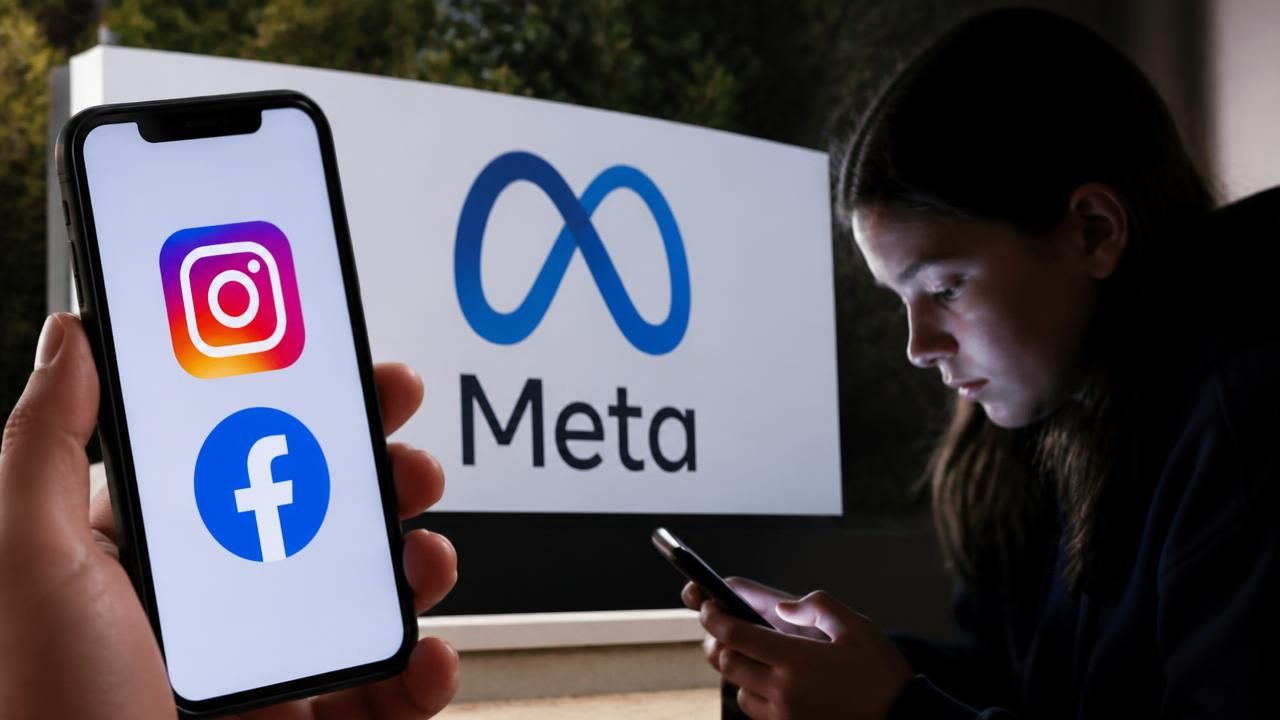
In one of the largest settlements of its kind, Meta has agreed to pay up to $18 billion to resolve a sweeping multistate lawsuit alleging that its social media platforms—Instagram and Facebook—were deliberately designed to addict children and harm their mental health. The deal, announced this week, requires the tech giant to overhaul its platforms for minors and hands a victory to state attorneys general who have battled the company over youth safety.
What the settlement includes
The settlement, which still needs court approval, covers compensation and long-term reforms. Under the terms, Meta will pay the amount to states over several years. While the exact figure varies by report—some sources place it at $17.1 billion, others at up to $18 billion—it represents the largest social media settlement in U.S. history.
More importantly, the social network has agreed to implement a range of protective measures for teen users:
- Default private accounts for minors, with stricter privacy settings.
- Limits on notifications and screen time, including a “take a break” prompt.
- Enhanced parental controls, including the ability to approve app downloads and view activity.
- Age verification technology to keep younger children off the platforms.
- Removal of features that encourage compulsive use, such as infinite scroll and like counts for teens.
Financial impact
Although the headline figure appears enormous, it represents only a fraction of Meta’s cash reserves and market valuation. Analysts note the company has been steadily setting aside funds for legal contingencies. The real cost lies in the operational changes, which could reduce engagement and advertising revenue from teen users—a key demographic for the company.
The allegations and the human toll
The lawsuit drew on internal Facebook research that showed Instagram worsens body image issues for one in three teenage girls. Whistleblower Frances Haugen’s leaked documents, plus testimony from former executives, fueled public outrage and prompted states to investigate.
Outside the U.S., the harm is even starker. In Ethiopia, Abrham Meareg’s father, a chemistry professor, was shot dead after Facebook’s algorithm allegedly promoted posts calling for his murder. Meareg’s lawsuit, supported by the nonprofit Foxglove and filed in Kenya, underscores the global reach of Meta’s algorithms. The company argues it invests heavily in safety and disputes claims of causation.
Global ripple effects
The settlement is seen as a watershed that could inspire similar actions worldwide. “Other governments could seek similar concessions,” noted The Guardian. The United Nations has already urged child-safe design across social media, citing the Meta case. In the UK, lawmakers are considering their own Online Safety Bill, and experts say the settlement could accelerate stricter regulation. “This is not just a U.S. story,” said one analyst. “It sets a precedent for how social media companies must treat minors everywhere.”
Reactions: not enough, critics say
While advocates welcomed the payout and reforms, many said it falls short. Parents who sued Meta expressed frustration. “It’s a step, but it doesn’t undo the damage,” one mother told the New York Times. Former Meta executive Arturo Bejar, who had urged the company to address the harms, called the settlement insufficient, arguing it fails to truly change the company’s profit-driven algorithm. Others point out that $18 billion is a drop in the ocean for a company with annual revenue of over $130 billion. “This is a PR win for Meta,” one critic wrote. “But the tide will still come for it.”
Legal precedents and what happens next
The settlement resolves claims brought by nearly all U.S. states, but legal battles continue. Separate lawsuits in Kenya, the Netherlands, and elsewhere are still pending. Other platforms, including TikTok, are finalizing similar settlements over addiction claims. A landmark bellwether trial in the U.S. is set to test whether tech companies can be held liable for algorithmic harm.
In the broader legal landscape, the Meta settlement follows a series of tech accountability cases. In 2019, the FTC fined Facebook $5 billion for privacy violations. More recently, Google was ordered to pay $425 million in a privacy class action. The Meta child-harm settlement, however, is the first to directly address algorithmic design and addiction. As the legal landscape shifts, the Meta settlement will likely serve as a blueprint—and a warning—for the entire industry.
“We have reached an agreement that will bring meaningful changes and significant compensation to states,” a Meta spokesperson said. “We are committed to keeping young people safe online.”
The true measure of the settlement will be whether it changes the daily experience of millions of teenagers—and whether other countries now have the leverage to demand similar protections.