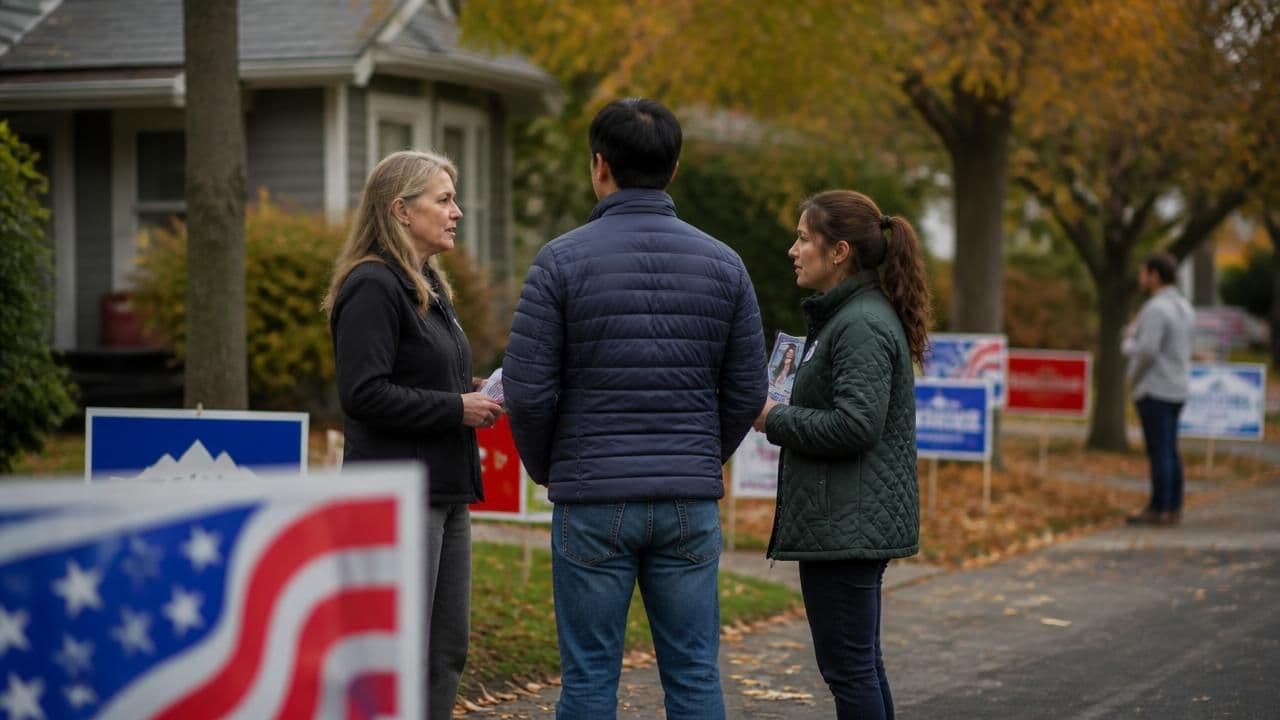
As the 2022 midterm elections approach, a fusillade of legal disputes is reshaping the political battlefield. From the cost of television advertising to the contours of congressional districts and the authority of election commissions, Republicans, Democrats, and the courts are locked in clashes that could determine control of Congress.
The Battle Over TV Ad Rates
At the center of one dispute is a federal appeals court decision that dealt a blow to Republican committees seeking cheaper advertising rates. The case stems from a Federal Communications Commission (FCC) order, issued during the Trump administration, requiring broadcast TV stations to offer their lowest unit charge (LUC) not only to individual candidates but also to political parties and joint fundraising committees. The Communications Act of 1934 mandates that broadcasters give candidates the best rate during the 60 days before an election, but the FCC’s extension to parties went beyond that statutory text.
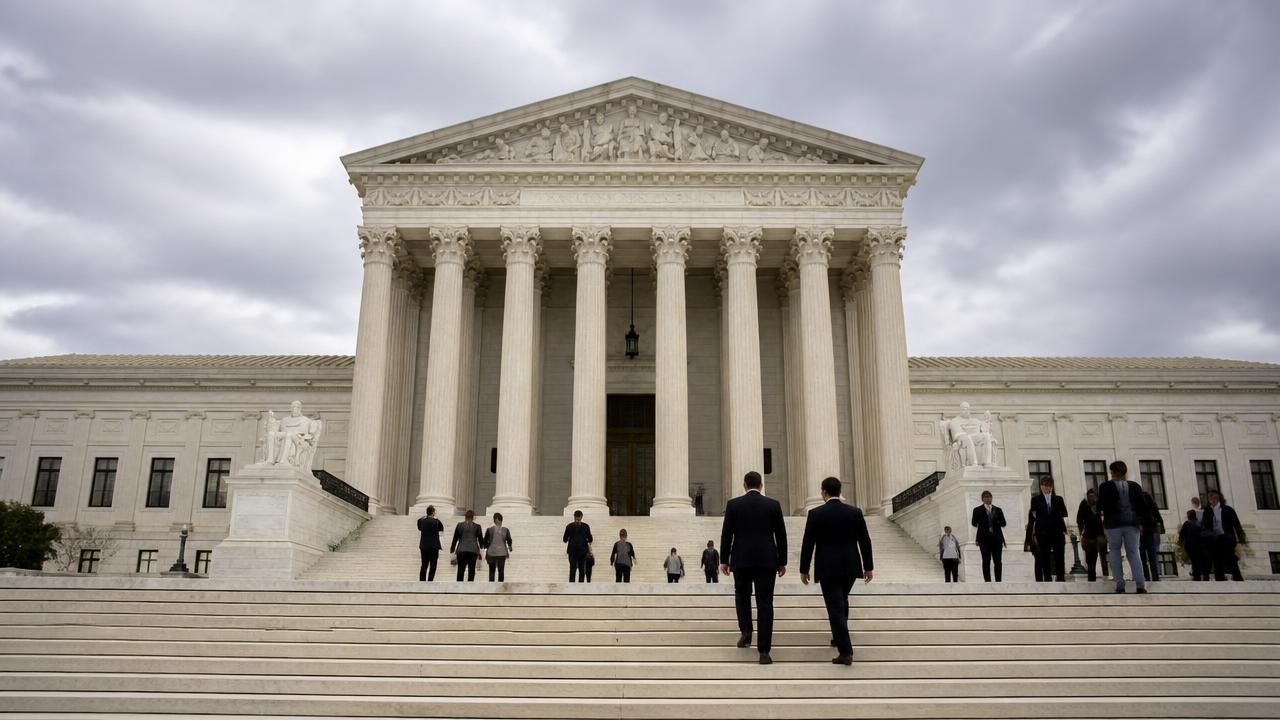
The U.S. Court of Appeals for the 4th Circuit ruled that the FCC order cannot be enforced because it contradicts the plain language of the law. Now, Republican campaign committees are asking the Supreme Court to intervene and compel broadcasters to give them the same discounted rates.
“The law helps level the playing field somewhat by letting candidates make their cases to voters who watch broadcast TV without needing to raise exorbitant sums of money,” noted Ars Technica. But critics argue that extending the discount to parties, which face fewer fundraising limits, would let wealthy interests dominate the airwaves.
“The law helps level the playing field somewhat by letting candidates make their cases to voters who watch broadcast TV without needing to raise exorbitant sums of money.” — Ars Technica
The New York Times framed the appeals court ruling as a win for Democrats, while MSN called it “a potential blow to Republicans.” The split in framing underscores how election law disputes are often viewed through a partisan lens.
Redistricting: A Tug-of-War Over Maps
Meanwhile, redistricting battles are intensifying. In Virginia, the state supreme court struck down newly drawn congressional maps, a decision the Guardian called “a win for Republicans.” The ruling could alter the balance of power in the House. In Tennessee, lawmakers split up the state’s last blue district, prompting PBS to examine how Memphis voters are reacting as they head to the polls.
The BBC reported that Republicans, who once feared losing the midterms, have seen their prospects improve due to favorable redistricting. “The fight over voting maps changed all that,” the outlet observed. The New York Post echoed this sentiment, citing a Supreme Court victory related to the Voting Rights Act that has “GOP giddy over saving midterms.”
These battles are not new. Historically, redistricting has been a partisan weapon, but the legal challenges have intensified as both parties recognize the long-term stakes. The Supreme Court’s involvement has been unpredictable, with Chief Justice John Roberts chastising colleagues for partisanship in some cases while defending the Court’s legitimacy in others.
Trump’s Stepped-Up Pressure
Beyond the courtroom, Donald Trump has been wielding his influence to shape election outcomes. The Atlantic reported that Trump’s “plan to subvert the midterms is already under way.” That includes his threat that broadcasters risk losing their licenses if their hosts criticize him — a direct attack on media freedom that the New York Times covered. Trump has also fired members of election commissions, which PBS described as “the latest attempt to control the voting process.”
Trump’s actions have prompted alarm among legal experts. The New York Times asked 50 legal experts about the Trump presidency, with quotes summarizing his behavior as “bow to the emperor.” An op-ed in the same paper pleaded, “Stop acting like this is normal.”
Tariffs and the Supreme Court
In another high-profile case, the Supreme Court is set to hear arguments over Trump’s tariffs on steel and aluminum. The BBC noted that the case is “eagerly awaited around the world,” as it tests the limits of presidential power. While not directly related to elections, it fits a broader pattern of litigation over executive authority.
Conservative Pushback Against Election Denial
Not all Republicans support Trump’s approach. Reason magazine highlighted a report by conservative legal luminaries titled “Lost, Not Stolen: The Conservative Case that Trump Lost and Biden Won the 2020 Presidential Election.” The report rebuts claims of widespread voter fraud and argues that Trump’s loss was legitimate.
Nevertheless, Stateline reports that election denialism has staying power, with a significant portion of the electorate still believing that the 2020 election was stolen, despite overwhelming evidence to the contrary. Meanwhile, at the federal level, Republicans rejected a Democratic proposal to end an impasse over Department of Homeland Security funding, complicating election security efforts.
Implications
The convergence of these legal battles reveals a fundamental reckoning over how American elections are conducted. Will the Supreme Court allow parties to enjoy the same low ad rates as candidates? Will redistricting further entrench gerrymandering? Can Trump exert influence over election machinery without consequence?
The answers will not only shape the imminent midterms but also set precedents for years to come. As the courts grapple with these questions, the public watches with growing unease. The stakes are nothing less than the integrity of the democratic process.