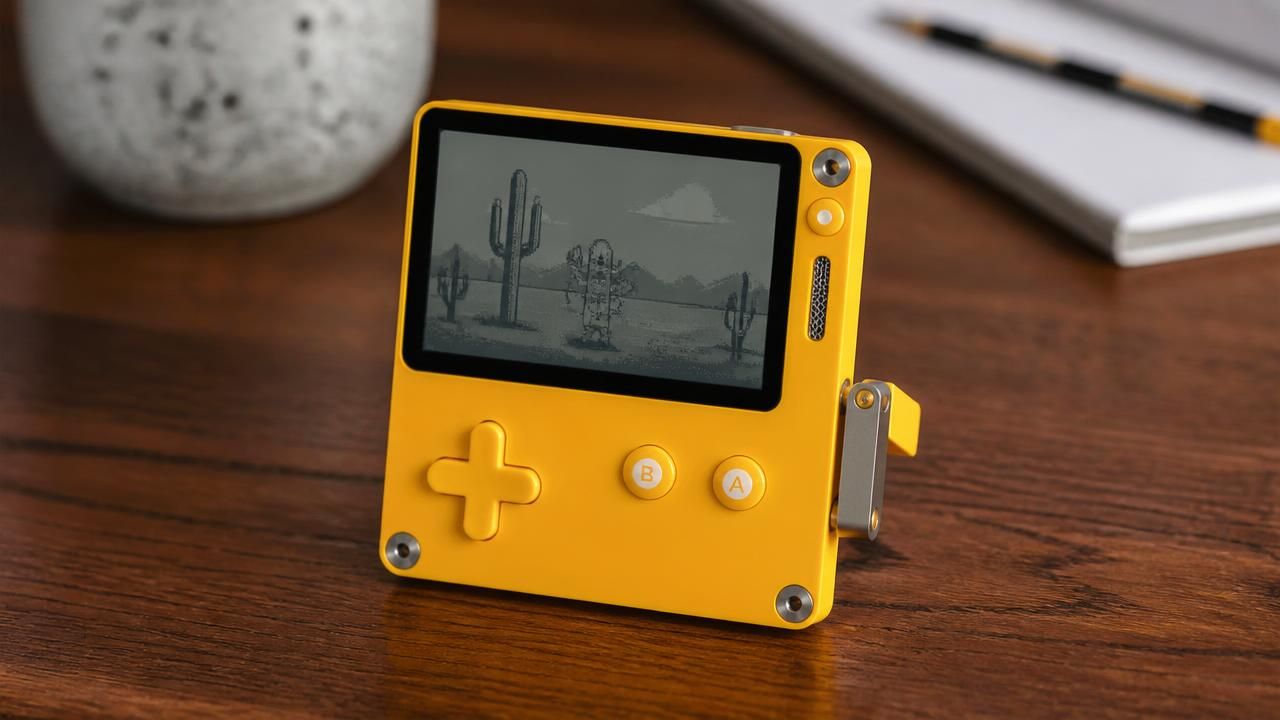
In a move that stands in stark contrast to the rest of the gaming industry, indie game publisher Panic has begun refunding tariff fees to customers who purchased its quirky yellow handheld, the Playdate. The company announced this week that it has received refunds from the U.S. government for tariffs it paid last year—tariffs that the Supreme Court declared illegal in February—and is passing every penny back to the customers who originally footed the bill.
“It’s just not our money to keep,” a Panic representative told MSN in a statement that has since been echoed across tech and gaming publications. The decision has surprised many, not only because refunds of this nature are vanishingly rare, but because Panic is one of the few companies that explicitly itemized the tariff cost on customer invoices rather than silently folding it into the product price.
A Surprising Refund
The refunds stem from tariffs imposed by the Trump administration on a range of imported goods, including the Playdate hardware manufactured overseas. The tariffs, which reached 19% for Panic’s products, were challenged in court and ultimately struck down by the Supreme Court in February. The ruling ordered the government to refund companies that had paid the import taxes, but it did not require those companies to pass the refunds along to consumers. Most have not chosen to do so.
Panic, however, decided to reverse course. In an update posted to the Playdate help site this week, the company wrote that it had “begun to receive refunds of the tariffs we paid in the last year” and consequently “refunded all tariffs charged to customers.” The company had previously warned that it couldn’t afford to absorb the 19% tariff because “our margins on Playdate are low,” so it added the fee as an explicit line item on every order—a transparency that made this week’s refund possible to track and execute.
How the Tariffs Hit Playdate
The Playdate, a handheld console with a distinctive crank and a library of bite-sized games, is manufactured in Asia and imported to the United States. When the Trump administration imposed sweeping tariffs on imported electronics in 2024, Panic was forced to decide between eating the cost or passing it on. With thin margins, the company chose the latter, but it did so in a way that was unusually transparent: customers saw the tariff as a separate charge at checkout, clearly labeled as a government-imposed tax.
“We just wanted to be upfront,” a Panic spokesperson said in an earlier statement quoted by Ars Technica. “It’s not a hidden fee. It’s something the government is charging, and we have to pay it, so we’re showing it.” That approach stood out in an industry where companies like Nintendo quietly raised prices on legacy hardware and Switch 2 accessories, vaguely citing “market conditions” and tariff “uncertainty” rather than itemizing the government’s role.
The Supreme Court Ruling
The legal saga began when several companies challenged the administration’s use of emergency powers to impose the tariffs. In February, the Supreme Court ruled the tariffs were unlawful, concluding that the administration had exceeded its authority. The decision was a landmark rebuke of executive overreach, but its practical impact on consumers was initially unclear. While the government was ordered to refund companies, there was no mechanism to force those companies to refund their customers.
That is why Panic’s decision is so notable. By voluntarily passing on its government refund, the company is effectively undoing the financial harm that consumers suffered—a move that legal experts say is rare but increasingly expected in a climate where corporate accountability is under scrutiny.
“It’s just not our money to keep,” a Panic representative told MSN. “We charged our customers those tariffs when we had to, and now that the government has given the money back, it belongs to them, not to us.”
A Contrast with Big Console Makers
Panic’s action highlights a broader divide in the gaming industry. Sony, Microsoft, and Nintendo all raised prices on hardware and accessories during the tariff period, but none have announced plans to refund customers following the Supreme Court ruling. GameSpot underscored this contrast in its headline: “Unlike The Big Console Makers, Playdate Is Refunding You Those Tariff Fees.” PCMag similarly framed the story as “Not Like the Others,” emphasizing how Panic’s transparency and generosity set it apart from the industry giants.
The bigger picture, according to an MSN article titled “Tariffs raised prices you paid. But most businesses won't be passing tariffs refunds back to you,” is that Panic is the exception, not the rule. Across industries, from electronics to apparel to household goods, prices were raised to account for tariffs that have now been deemed illegal. Yet the vast majority of companies have quietly pocketed the government refunds, using them to boost quarterly earnings rather than compensate customers.
What This Means for Consumers
For the thousands of Playdate owners who paid the 19% tariff, the refund is a welcome—and entirely unexpected—windfall. OregonLive, which covered the story from Panic’s home base in Portland, noted that the refunds are being processed automatically to the original payment methods, requiring no action from customers. “We’re really grateful to the community for sticking with us through this,” a Panic representative told the outlet. “It felt wrong to keep the money.”
Consumer advocates have praised the move as a model of ethical business practice, but they caution that it should not be mistaken for widespread corporate altruism. “The fact that Panic is doing this makes headlines because it’s so unusual,” said one industry analyst quoted in the MSN wrap-up. “It’s a reminder that most companies will put their balance sheets first. Panic is showing that a smaller, independent outfit can make a different choice.”
The Road Ahead
As Panic processes refunds and customers celebrate a rare victory in the tangled world of trade policy, the broader questions remain: Will other companies follow suit? And what does this mean for how tariffs are communicated to consumers in the future? For now, Panic has set a precedent that many will point to when demanding greater transparency—and greater accountability—from the businesses that touch their daily lives.
In a market where trust is often in short supply, Panic’s decision stands as a reminder that doing the right thing is not just possible, but noticed. The company has turned a bureaucratic legal ruling into a tangible act of goodwill, one that may well resonate with customers and observers long after the refund has cleared.