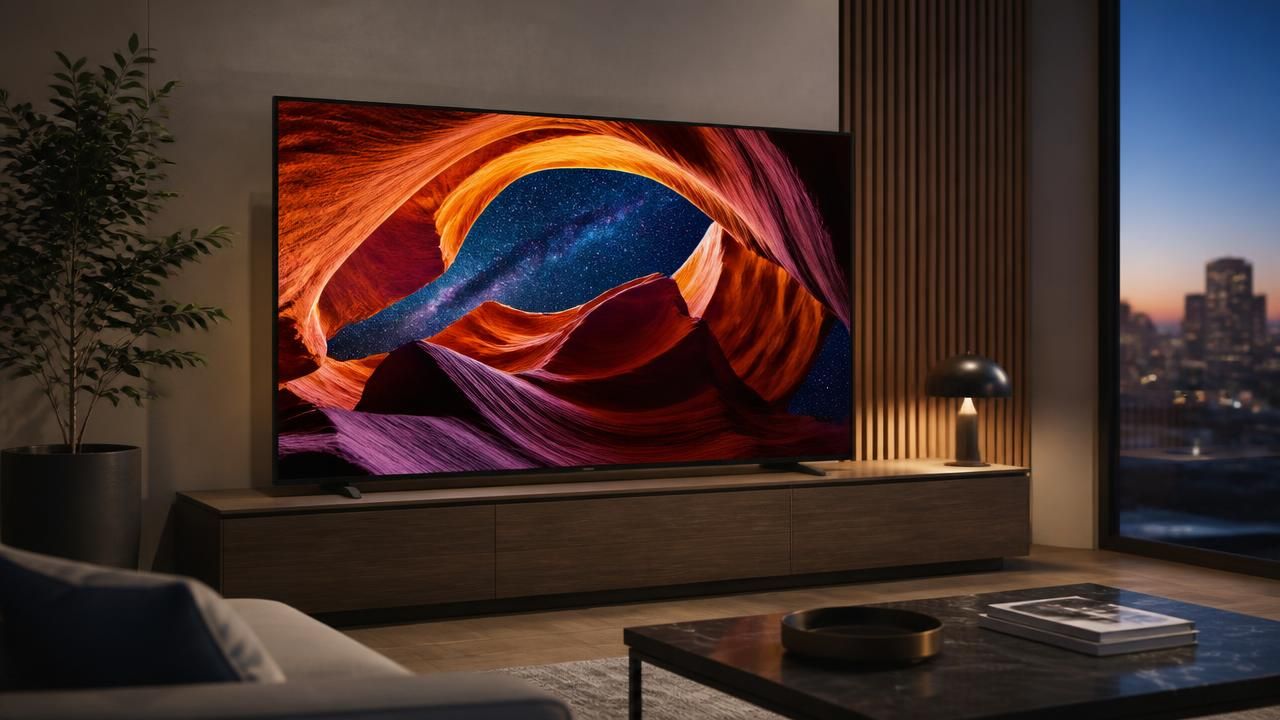
Sony has officially unveiled the Bravia 6 OLED TV, a new entry-level model designed to take on midrange offerings from LG and Samsung. After the model leaked on Sony's wall-mount compatibility chart back in June, the company has now confirmed the TV, which sits below its premium OLED lines, the Bravia 8 and Bravia 8 II, as well as the Bravia 9 II and Bravia 7 II RGB LED sets. The Bravia 6 is available in five sizes—48, 55, 65, 77, and 83 inches—and is priced to compete directly with the LG C6 OLED and Samsung S90H QD-OLED.
What does the Bravia 6 bring to the table?
The Bravia 6 is packed with features that were once reserved for more expensive models. It includes a 120Hz panel, support for Dolby Vision, Dolby Atmos, and DTS:X, and four HDMI 2.1 inputs. This suggests the TV may be powered by a MediaTek Pentonic 800 SoC, which would enable the latest gaming features and smart TV functionality. The TV runs on Google TV with Gemini, giving users access to AI-powered search and recommendations.
This move is significant because Sony has often targeted the premium end of the OLED market, leaving the midrange to LG and Samsung. With the Bravia 6, Sony is directly challenging the LG C-series and Samsung S90 series, which have been popular choices for consumers seeking a high-quality OLED without paying flagship prices.
Why the midrange OLED market is heating up
The announcement comes at a time when OLED prices are falling, making these TVs more accessible than ever. According to RTINGS.com, a leading TV review site, the best TVs under $2,000 in 2026 include several OLED options from LG, Samsung, and Sony. The Bravia 6 is expected to be a strong contender in this category, offering Sony's renowned picture processing at a more competitive price.
For years, Sony's midrange OLED lineup was dominated by the A80L series, which received high marks for its picture quality. Expert Reviews called the A80L "a great mid-range OLED," praising its refined visuals. However, the A80L often retailed at a premium compared to rival LG models. The Bravia 6 appears to correct this by providing a more affordable entry point into Sony's OLED lineup.
Similarly, the LG CX series, now several years old, remains a benchmark for midrange OLEDs. Reviews of the CX highlighted its excellent performance and gaming features, but newer models like the LG C6 and Samsung S90H have taken the baton. The Bravia 6 is set to join this competitive fray, and industry analysts suggest it could become a top pick in the under-$2,000 category.
"Sony's challenge has always been that their best OLEDs often come at a premium," said an industry analyst. "With the Bravia 6, they are addressing the midrange directly, and that's a significant shift that could reshape the TV market."
How the Bravia 6 fits into Sony's lineup
The Bravia 6 sits squarely between Sony's entry-level LED models and its flagship OLEDs. The company's lineup now includes the Bravia 6 OLED for budget-conscious buyers, the Bravia 8 and 8 II for those wanting a step up, and the Bravia 9 II and 7 II for the premium segment. This tiered approach gives consumers a clear path to upgrade without forcing them to jump straight to the most expensive models.
One of the key differentiators of the Bravia 6 is its integration of Google TV with Gemini. This AI-powered platform offers a more personalized viewing experience, with smart recommendations that consider viewing habits, time of day, and even sports scores. It's a feature that rivals Amazon's Fire TV and Roku, and it could be a deciding factor for consumers looking for a smart TV that feels truly intelligent.
What this means for the TV market
With the Bravia 6, Sony is signaling that it no longer wants to cede the midrange OLED segment to its South Korean rivals. The inclusion of four HDMI 2.1 ports is a clear nod to gamers, who will appreciate the ability to connect multiple current-gen consoles and a PC at full bandwidth. Additionally, the 120Hz panel supports high refresh rates, making it an excellent choice for both gaming and sports.
When the model was first spotted in June, speculation grew that cheaper OLED TVs were on the way. That timeline is now confirmed, with the Bravia 6 expected to hit shelves in time for the 2026 holiday season. This timing is strategic: it allows Sony to capture strong sales during the peak TV-buying period and put pressure on LG and Samsung to respond with even more aggressive pricing.
The bigger picture: OLEDs are now mainstream
The arrival of the Bravia 6 is part of a broader trend toward making OLED technology more affordable. As production yields improve and manufacturing costs decline, OLED TVs are becoming the default choice for mainstream buyers. RTINGS.com's best-TV lists for 2026 show a healthy selection of OLEDs across various sizes and price points, including the best 55-inch TVs, best smart TVs, and best TVs for movies. The Bravia 6 will likely appear on many of these lists once it ships.
For Sony, the move is also about defending its reputation as a premium brand while expanding its customer base. The Bravia 6 is not just a cheaper TV; it's a statement that Sony can deliver its signature picture quality at a price that competes with the best from LG and Samsung. Early reviews have not yet been published, but based on the specifications and Sony's track record, the Bravia 6 is shaping up to be one of the most exciting midrange releases in years.
Key specs at a glance
- Available in 48, 55, 65, 77, and 83 inches
- 120Hz OLED panel
- Google TV with Gemini
- Dolby Vision, Dolby Atmos, DTS:X
- Four HDMI 2.1 inputs
As the launch approaches, it's clear that Sony is serious about regaining ground in the midrange market. The Bravia 6 OLED isn't just a new TV—it's a signal that the era of expensive OLEDs is officially over. Consumers will be the big winners, with access to premium technology at prices that were unimaginable just a few years ago.