Across the United States, the artificial intelligence boom is colliding with local democracy. A recent investigation by NPR has revealed that tech companies and local officials are increasingly wrapping data center negotiations in nondisclosure agreements, leaving residents—and even some elected representatives—in the dark. The practice, common in economic development, is now under scrutiny from state capitals to the White House, as communities confront the hidden costs of the data economy.
The Anatomy of a Secret Deal
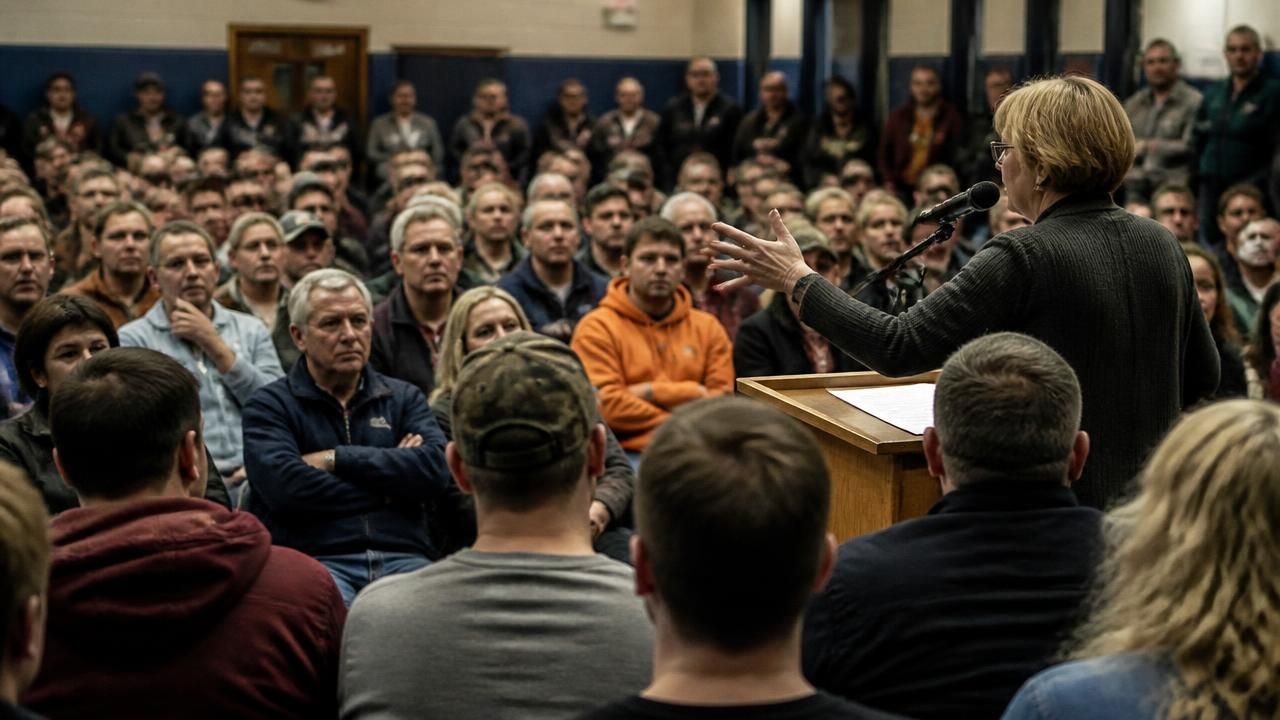
NPR’s investigation documented how NDAs covered up negotiations between a tech company and local and state officials, surprising residents when the project was final. The New York Times went further, detailing a case in Louisiana where Meta secured tax breaks, infrastructure commitments, and other concessions in a secret deal. “Meta got everything it wanted,” the Times wrote, citing internal emails and contract drafts. The town of Palo, Iowa, became the latest flashpoint when its mayor defended annexation talks with Google at a packed town hall. “These talks require careful planning,” the mayor argued, “and we’re working in the best interests of our residents.” Others disagreed. One local resident told The Gazette: “We only learned about this after decisions were made.”
Key findings from the investigations show common tactics:- NDAs that bind public officials and private companies, preventing disclosure of project details.
- Anonymous “Project X” names for data centers in public documents.
- Land annexations and zoning changes rushed through public comment periods.
- Tax incentives and infrastructure commitments negotiated before the public is briefed.
Energy Strain and Political Fallout
The secrecy issue is compounded by a more concrete problem: power. Data centers require enormous amounts of electricity, and the AI wave is driving record energy demand. Texas Governor Greg Abbott has called for a clampdown on data center deals, warning that the facilities are straining the grid and raising prices for ratepayers. Politico reports that the White House is also considering new federal oversight of data center siting, with energy price spikes becoming a flashpoint. “This is a trillion-dollar question,” one energy economist said. “Who pays for the grid upgrades? Who bears the risk if a facility goes dark?”
A Turning Point for Big Tech?
According to KNPR, Meta’s recent settlement in a data center dispute could signal an “inflection point” for reining in Big Tech. The settlement, which resolved allegations of misleading local officials, is being watched by other communities and regulators. Legal experts say it sets a precedent that companies can be held accountable for the terms they negotiate in secret. “This isn't just about one project,” an analyst said. “It's about whether communities have a meaningful voice in their own development.” The case also echoes broader antitrust and accountability battles in Washington, where tech giants face scrutiny from both parties.
What's at Stake
The divide is not simply between transparency and efficiency. It is about how the benefits and burdens of the AI age are distributed. Rural communities see data centers as a rare chance for jobs and tax revenue, but they also worry about noise, water use, and eyesores. Urban and suburban areas fear higher electricity bills and system reliability. Meanwhile, the White House and state capitals are caught between promoting economic growth and protecting consumers.
“Nondisclosure agreements are standard practice in corporate real estate,” said one economic development attorney, “but when you're dealing with public land and taxpayer money, the public deserves to know.” The tension is only growing. With AI data centers projected to consume double-digit percentages of U.S. electricity by the end of the decade, the decisions made today will shape communities for generations.
“Secrecy is a choice, not a requirement. If we want fair deals, we need sunlight.” — a community resident quoted in NPR's investigation.