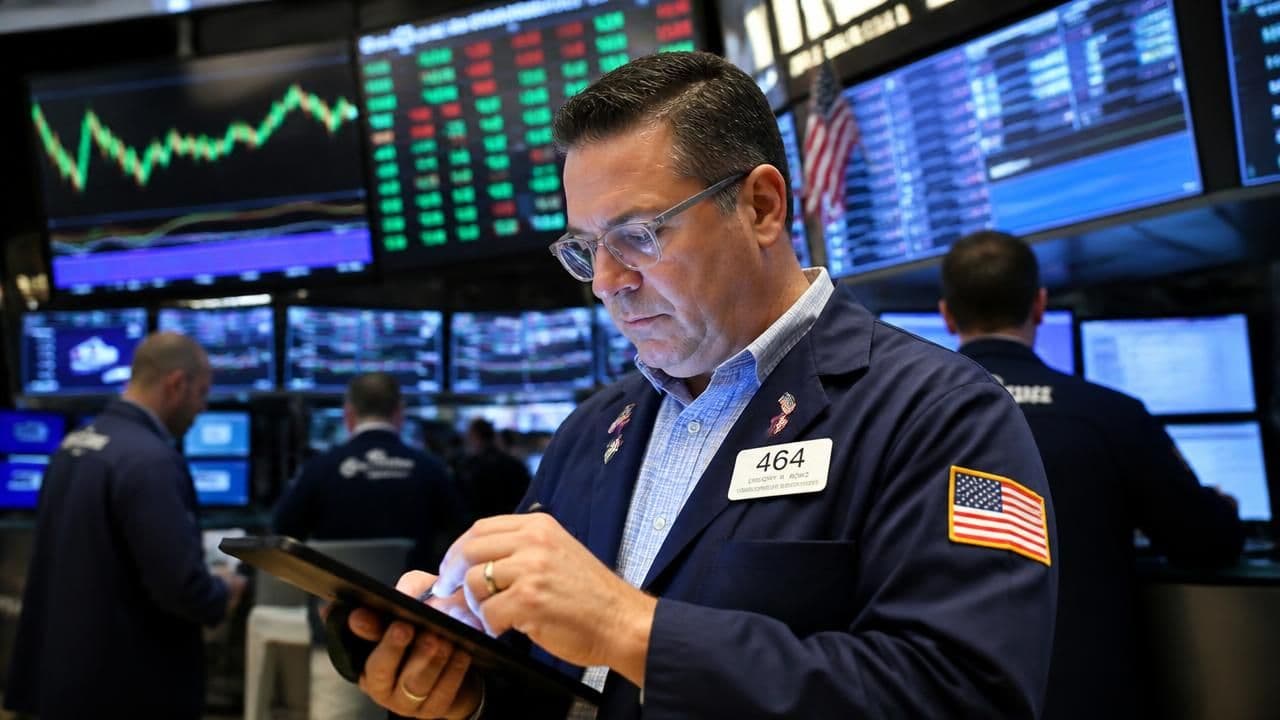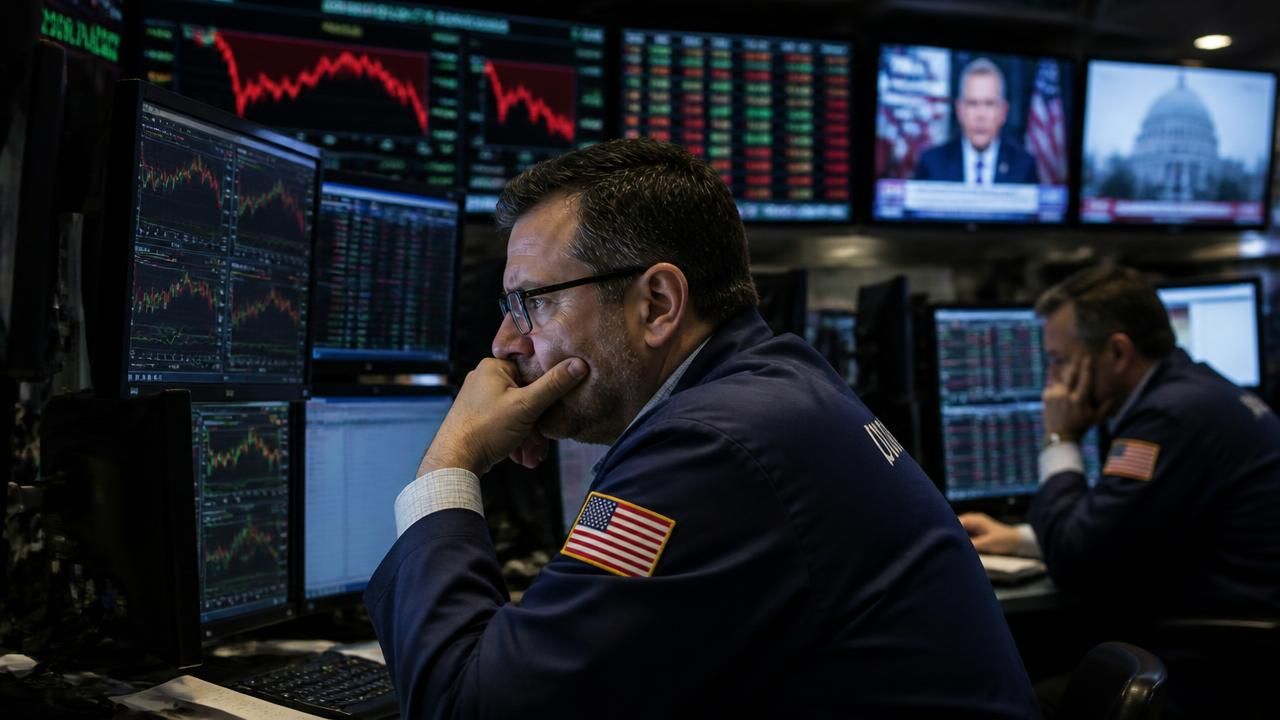
U.S. stocks closed lower on Thursday, Aug. 20, 2026, with technology shares leading the decline as investors wrestled with a hotter-than-expected inflation reading, rising Treasury yields, and escalating tensions between the U.S. and Iran. The Dow Jones Industrial Average managed a modest gain, but the S&P 500 and Nasdaq Composite fell, underscoring a market in the midst of a sector rotation from high-flying tech stocks to more defensive and value-oriented names.
Futures Point to a Divided Start
Stock-index futures initially advanced, as Nvidia Corp.'s bullish sales outlook reinforced optimism that the artificial-intelligence rally could continue, according to Bloomberg Markets. Treasuries, however, edged lower as traders slightly increased bets on interest-rate hikes. That optimism soon faded. MSN reported futures slipping as "high-stakes Iran and inflation tests loom." The combination of rising oil prices and geopolitical uncertainty, along with the latest read on inflation, prompted a risk-off tone.
Inflation Data Keeps Rate Worries Alive
The core Personal Consumption Expenditures (PCE) price index—the Federal Reserve's preferred inflation gauge—came in at 3.3% year over year, according to Benzinga. That remains well above the Fed's 2% target and suggests that interest rates may stay higher for longer. Bond yields climbed in response, with the 10-year Treasury yield rising to its highest level in weeks. Higher yields were a particular drag on technology stocks, whose valuations are more sensitive to discount rates.
"The market is caught between the promise of AI and the reality of higher-for-longer interest rates," said one strategist. "When bond yields move up, the speculative trade gets crowded."
Iran Tensions Push Oil Higher
Geopolitical risk added to the inflation headache. The United States unveiled new sanctions on Iran, as reported by the Economic Times and Yahoo Finance. Oil prices rose on the news, adding to worries about energy-driven inflation. Traders Union noted that "U.S. stock futures slip as oil and Treasury yields rise on Iran tensions." The standoff between Washington and Tehran kept investors on edge, with the potential for further supply disruptions.
Nvidia's Moment of Truth
All eyes were on Nvidia, which reported quarterly earnings after the bell. The company had been at the center of this year's AI stock boom, and investors were questioning whether the enthusiasm had outpaced reality. Reuters reported that "fears of AI bubble and inflation send investors away." In a separate analysis, Bloomberg noted that Nvidia and Kevin Warsh—likely referring to the former Fed governor considered a candidate to lead the central bank—would "test a stock market that's in mid-rotation."
During the regular session, chip stocks slid. The S&P 500 and Nasdaq fell as semiconductor shares declined, while the Dow rose, according to MSN. Nvidia, Tesla, and Brown-Forman were among the top movers, per Investopedia. Walmart also dropped, reflecting concerns from the retail sector as quarterly earnings from major retailers came into focus.
Market Overview: Mixed Close
The tech-heavy Nasdaq Composite fell approximately 0.8%, while the S&P 500 lost about 0.4%. The Dow Jones Industrial Average, teetering between gains and losses, closed slightly higher, propped up by gains in energy and financial shares. Oil producers rallied as crude prices climbed.
Investopedia reported that the major indexes "slide after snapping 3-day skids," indicating that the previous sessions had seen brief gains before the latest decline. Oil prices, Treasury yields, and Bitcoin rose, while crypto-linked stocks dropped. This mix underscores the crosscurrents affecting assets: inflation, geopolitics, and a potential rotation out of growth and into value.
Framing the Story
Different outlets offered different lenses. Bloomberg's early report highlighted the positive Nvidia outlook and the durability of the AI trade. Reuters focused on the bubble fear and inflation. MSN and Traders Union emphasized the Iran and Treasury-yield pressures. NDTV Profit, in a headline that appeared from a different time zone, mentioned a rebound in the S&P 500 and Dow with the Nasdaq up on a chip boost—reflecting the market's intraday volatility. These varying framings illustrate the uncertainty among investors.
Looking Ahead
With Nvidia's earnings now out, investors will parse the results for signs that AI-driven demand for its chips remains strong. The company's ability to beat expectations and offer robust guidance could re-ignite the tech rally—but it could also be a "sell the news" event if valuations are stretched. Meanwhile, the Fed's path remains uncertain. If inflation stays sticky, traders expect further rate hikes, which could keep bond yields elevated and pressure stocks.
The market's rotation is far from over. As one strategist put it, "The transition from leaderless speculation to earnings-backed fundamentals is often bumpy." With geopolitical flashpoints and central-bank policy in the spotlight, investors should brace for more turbulence.