In 2026, the Middle East and Africa found itself at the intersection of two powerful forces: an escalating geopolitical confrontation over the Strait of Hormuz and an unprecedented push to build an AI-driven economy. Bloomberg's Horizons Middle East & Africa, broadcast live from Dubai, has chronicled this high-stakes moment with daily market analysis and interviews, offering investors a front-row seat to a region redefining risk.
The Ghost of Hormuz
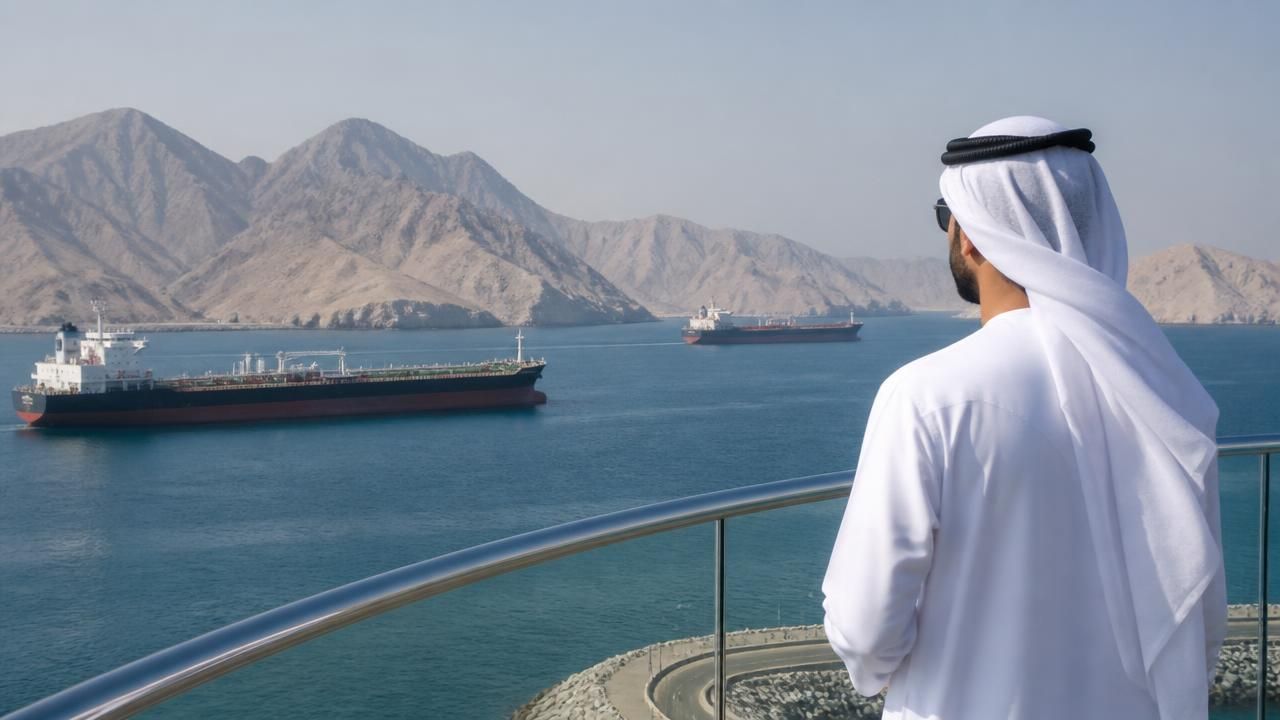
The year began with Washington and Tehran trading threats. President Trump first delayed energy strikes, setting a five-day window for Iran talks in March, only for negotiations to stall. By April, reports emerged that a Hormuz blockade had begun, and by June Iran was "ratcheting up talk" of controlling the strategic waterway. In a sleepy Omani town on the strait, The New York Times noted, war raged "just over the horizon."
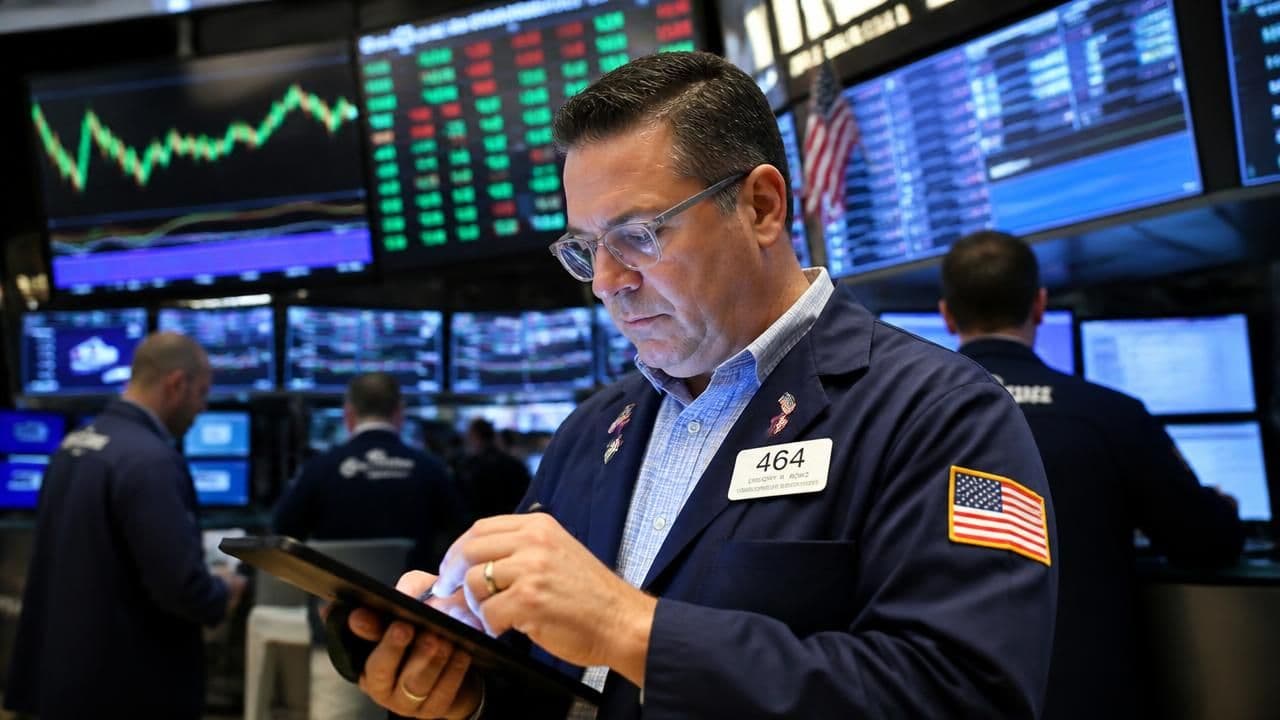
Markets responded to every twist. A March 27 episode captured a stock selloff easing after Trump extended his pause on energy attacks, while another show underscored the gap between Trump's rhetoric and his actions. By the summer, Iran had reportedly offered a plan to reopen the strait, but not before the standoff reshaped investor calculus.
"The naval escort program through Hormuz is unfeasible," argued analyst Khan on Bloomberg, reflecting doubts about the viability of military protection for commercial shipping.
Others contended that Iran emerged strategically stronger. One segment asserted Iran "successfully leveraged Hormuz in negotiations," and another bluntly stated Tehran was "strategically stronger now than before war." This assessment rippled through oil markets, prompting investors to seek havens.
Safe Havens and Backstops
Gold demand surged. As Heyl noted on Bloomberg, "Still see increasing appetite for gold as safe haven." The UAE-U.S. foreign exchange swap, according to Malik, served as a "backstop for worst-case scenario," underscoring how Gulf states prepared for currency and liquidity shocks. Treasury Secretary Bessent warned of economic asphyxiation, and a Businessweek Daily show asked who was buying America's debt—all signs of a global system under strain.
The AI Pivot
Amid the turbulence, Gulf rulers accelerated diversification. A flagship segment focused on the UAE and Saudi Arabia racing to upskill for AI, treating a skilled workforce as the ultimate hedge against post-oil uncertainty. Lopez called AI "the biggest infrastructure upgrade since Internet," and Tech: Asia examined how AI is reshaping the battlefield—a reminder that the technology is both an economic opportunity and strategic imperative.
- Mubadala opened its credit business to outside investors, expanding the emirate's financial firepower.
- Nano Nuclear Energy moved to bring microreactors to the UAE, signaling next-gen energy investment.
- PwC reportedly resumed work on pitches to Saudi Arabia's PIF after a ban ended, restoring a key advisory channel.
The enthusiasm wasn't confined to the Gulf. India's PM Modi posed with tech titans like Altman and Pichai, spotlighting Asia's AI ambitions. Meanwhile, on Wall Street, Reuters reported stocks ended modestly higher as "AI zeal" overcame Middle East jitters—evidence that technology narratives seized investor imagination even as geostrategic risks mounted.
Real Estate and Corporate Resilience
Domestically, Gulf economies sent mixed signals. Dubai home prices posted their first post-pandemic decline, suggesting a cooling in a red-hot property market. Yet aviation and delivery sectors remained bullish. Dubai Aerospace's CEO declared M&A "part of our DNA" while the Dubai lessor eyed more purchases to meet airline demand. Talabat's CEO insisted his company remained "the leader in all of our markets," projecting confidence in Gulf consumption.
Regional Diplomatic Fronts
Outside the core conflict, defense diplomacy hummed. Egypt's defense minister and the U.S. deputy secretary discussed regional stability, while Stimson's North Africa Regional Outlook tracked evolving security and economic trends. Zimbabwe's economic turnaround, featuring on Bloomberg, offered a rare success story on the continent, and a Cyprus conference on EU and Mediterranean horizons pointed to wider geopolitical recalibration.
Framing the Story
Bloomberg's coverage itself became part of the narrative. Arab News profiled a Bloomberg host bridging cultures from the Middle East to London, and the Horizons program's global reach—from Dubai to Hong Kong, London to Johannesburg—demonstrated how interconnected financial audiences have become. Yet contrasting frames persisted: was this a region on the brink or a region on the rise?
The gap between Trump's talk and actions, as one Bloomberg headline put it, kept markets off balance. But GCC markets continued to outperform many global benchmarks, and the region's sovereign wealth funds doubled down on the future. The Strait of Hormuz remained a flashpoint, but the horizon line also revealed new investments in AI, nuclear energy, and human capital. For investors, the lesson of 2026 was clear: in the Middle East, tail risks and transformational opportunities now share the same skyline.