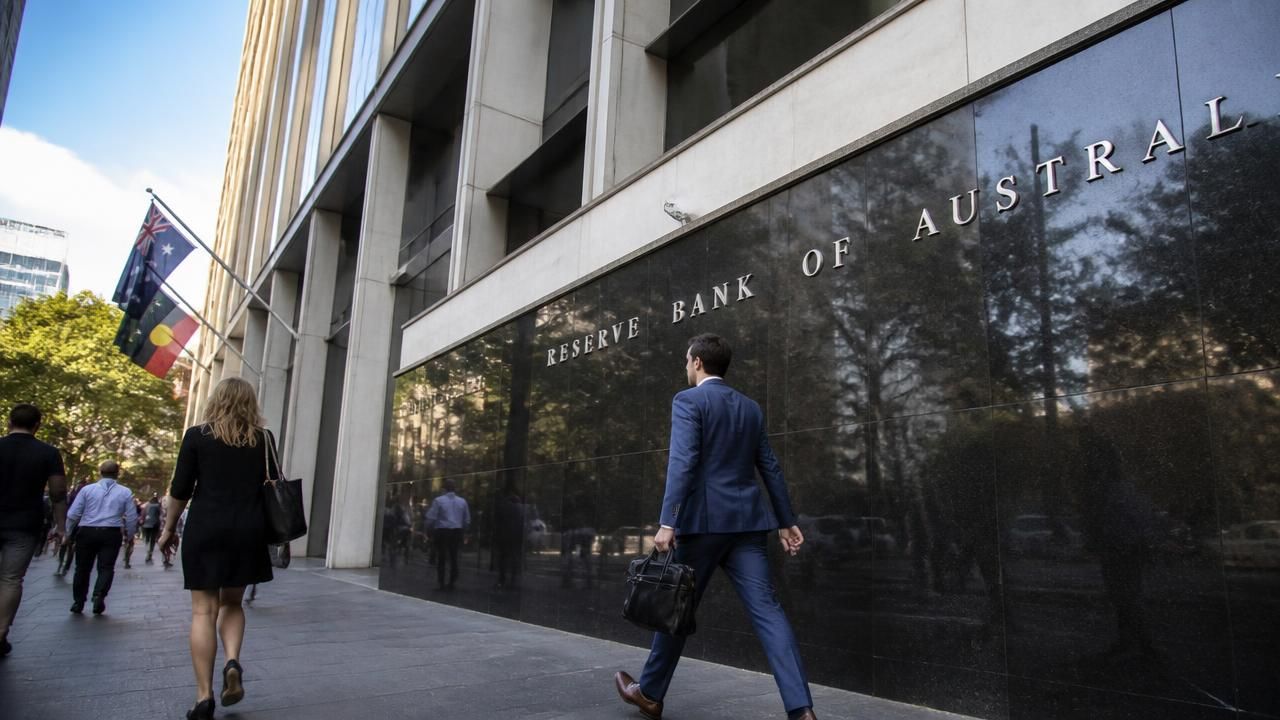
Australia's inflation shock has upended the interest-rate outlook, with leading economists now forecasting the Reserve Bank of Australia (RBA) will hike rates as early as next month. The dramatic reversal comes after a hotter-than-expected September-quarter consumer price index (CPI) report showed inflation running well above the central bank's 2–3% target, reigniting fears that the fight against rising prices is far from over.
Hot CPI Print Shakes Rate Expectations
The Australian Bureau of Statistics released its September-quarter CPI in late October, revealing annual inflation of 4.2% – significantly higher than the 3.8% forecast. The surprise has forced a swift rethink among economists and markets, who had largely expected the RBA to hold rates at 4.35% for the remainder of the year.
“This is a game-changer. The RBA's own forecasts have been exceeded, and the board now faces the uncomfortable prospect of raising rates again to anchor inflation expectations.”
– Senior economist at a major Australian bank
According to a Bloomberg Markets report, economists from Goldman Sachs Group Inc. and Commonwealth Bank of Australia were among the first to abandon their “no change” forecasts, now predicting an increase as early as the next RBA board meeting in February 2026. The shift marks a stinging rebuke to the RBA's earlier guidance that the next move in rates might be down.
Banks Split: Three of Four Major Banks Now See a Hike
The consensus is building. Sources from the Australian financial press indicate that three of the country's four major banks are now forecasting another rate hike before the end of 2026. Only Westpac remains an outlier, holding firm to its view that the RBA will keep rates on hold for an extended period.
Westpac's stance, described by Mortgage Professional Australia as “this bank's not for turning,” stands in contrast to its peers. The bank argues that the recent spike in inflation may be transitory, driven by volatile items such as fuel and fresh food, and that the lagged effects of previous tightening will soon cool demand.
However, the majority view leans hawkish. As one market strategist put it:
“The RBA's own language has shifted. Minutes from the last meeting revealed board members 'only discussed a raise' – not a cut. That's a grim signal for borrowers and a clear message that the bias is toward tightening.”
Markets React: Aussie Dollar Gains, Equities Volatile
The hot inflation data sent immediate ripples through financial markets. The Australian dollar (AUD) strengthened against the US dollar, gaining 0.6% in the hours after the release, as traders priced in a higher peak cash rate. Meanwhile, the S&P/ASX 200 initially dipped but later clawed back gains, with gold and technology stocks outperforming.
FX analysts at Forex.com note that the AUD/USD outlook for 2026 is now heavily skewed toward rate differentials. If the RBA hikes while the US Federal Reserve pauses, the Aussie could find further support. However, the greenback itself is firming ahead of the US PCE inflation report, as investors weigh the possibility of another Fed move.
Fed's Susan Collins: September Hike Possible
Australia is not alone in facing sticky inflation. In the United States, Boston Fed President Susan Collins signaled that a September rate hike is possible if price pressures persist. Her comments have added to global market anxiety, though the Fed is widely expected to hold rates steady at its next meeting.
Household Impact: Wage Rises vs. Inflation Squeeze
The prospect of higher rates lands at a difficult time for Australian households. From July, the Fair Work Commission's minimum wage decision will lift award wages by 4.75%, giving millions of low-paid workers a much-needed boost. But as Forbes reported, that increase is quickly eroded by inflation now running at 4.2% – and further rate hikes would only deepen the cost-of-living squeeze.
Borrowers, particularly those with variable-rate mortgages, face the most immediate strain. Realestate.com.au warns that “households should buckle up” as the RBA is set to raise rates within months, adding hundreds of dollars to monthly repayments. The housing market, which had been showing early signs of recovery, could stall if the turn toward tightening solidifies.
Reporting Season Reveals Economic Headwinds
Australia's corporate reporting season has underscored the fragility of the broader economy. ShareCafe's analysis highlights that companies across retail, construction, and discretionary services are citing weakening consumer demand as real incomes are squeezed. This creates a delicate balancing act for the RBA: hike rates to tame inflation risks tipping the economy into recession; hold rates risks entrenching inflation expectations.
In a recent note, Commonwealth Bank's economics team asked whether Australia is about to “crash through its economic speed limit” – a metaphor for running an economy at an unsustainable pace. The bank suggests that the latest CPI print is evidence that aggregate demand remains too strong, forcing the RBA's hand.
What Happens Next?
All eyes now turn to the RBA board's next monetary policy meeting, scheduled for February 2026. With the January meeting typically skipped due to the summer holiday season, February represents the first opportunity for a hike. Economists are divided on the magnitude – most expect a 25-basis-point move, though some see a remote chance of 50 basis points if inflation surprises to the upside again.
One event could still change the course: a major global shock. As ABC News noted, interest rate hikes are increasingly likely in 2026, but a significantly weaker global economy would likely produce the opposite result. For now, the balance of risk is firmly tilted toward tighter policy, and Australians should prepare for rates to head higher.
This article is based on reporting from multiple sources, including Bloomberg Markets, ABC News, Forbes, and realestate.com.au. It has been synthesized for a comprehensive overview.