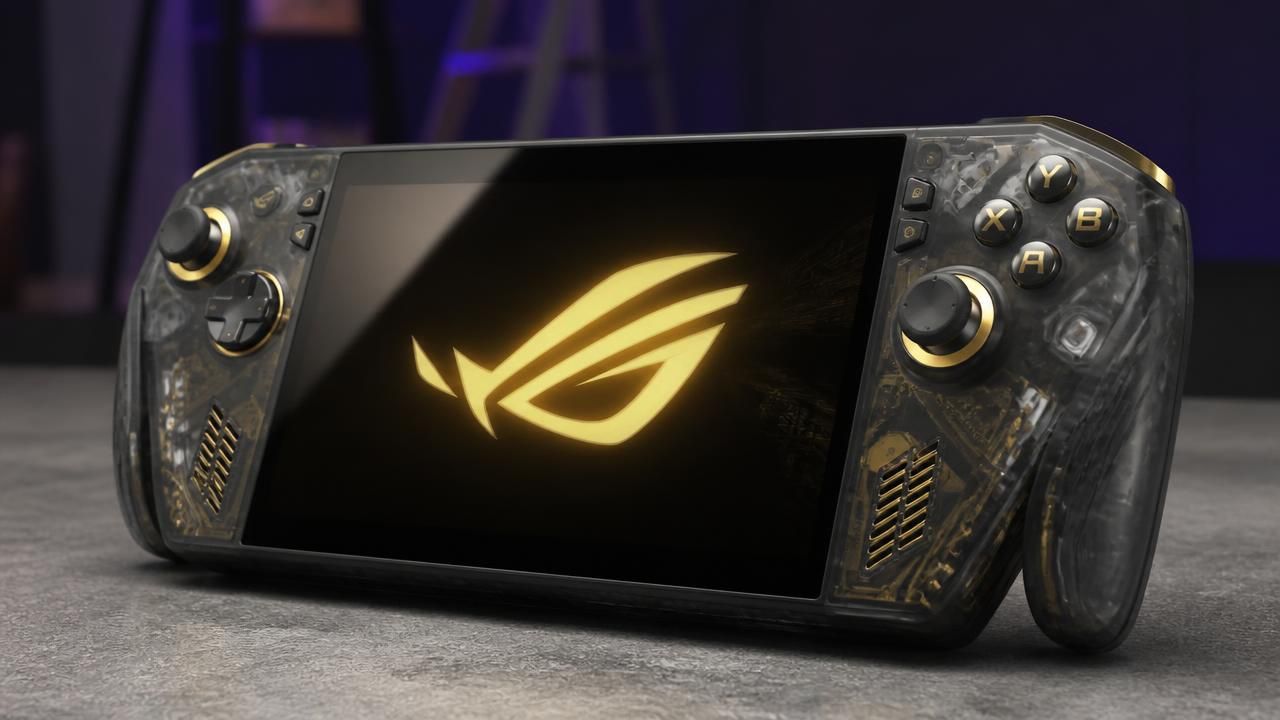
Asus has officially confirmed that the highly anticipated ROG Ally X20, a 20th-anniversary edition of its popular handheld gaming PC, will be available as a standalone device for $1,300, starting October 15. The announcement marks a reversal from the company's initial plan to bundle the device with expensive AR glasses, a decision that drew sharp criticism from fans and reviewers alike.
The ROG Ally X20, first teased earlier this year, is a special-edition variant of the ROG Ally X, featuring a larger OLED display and a striking translucent shell with gold trim. The device pays homage to two decades of Asus's Republic of Gamers (ROG) brand, and it aims to address the most requested upgrade in the handheld gaming PC community: a high-quality OLED panel.
A Design Inspired by 20 Years of ROG
The visual identity of the ROG Ally X20 is unmistakably premium. As The Verge noted after handling the device at Asus's US offices, it's a "translucent gadget with gold trim," giving it a celebratory yet sophisticated look. This is not merely a cosmetic refresh; it's a showpiece that commemorates ROG's 20-year legacy, as Retro Handhelds highlighted.
Asus spokesperson Don Nguyen confirmed to The Verge that the standalone version is the same hardware that was previously demonstrated, ensuring that customers who pre-order the $1,300 unit will get the full 20th-anniversary experience without being forced to purchase the AR glasses bundle that originally inflated the price and complicated the value proposition.
OLED Display and Performance Upgrades
The headline feature of the ROG Ally X20 is its OLED display. Forbes described it as "the long-awaited OLED finally arrives," while IGN and Shacknews both emphasized this as the core upgrade. The larger screen promises richer colors, deeper blacks, and improved responsiveness compared to the LCD panels used in earlier Ally models. Exact specifications are still under wraps, but early reports suggest it will be one of the largest and most vibrant displays ever fitted to a handheld gaming PC.
Under the hood, the X20 is powered by AMD's new Z2 Extreme chipset. According to Windows Central, AMD confirms that this chip is specifically engineered to boost battery life by over 300% compared to the original Z1 Extreme, a massive leap that could address one of the biggest pain points in handheld gaming. The combination of a more efficient processor and a larger battery (likely enabled by the OLED's power savings) could make the Ally X20 a marathon runner in a category often criticized for short play sessions.
The AR Glasses Backlash and Reversal
The road to the standalone launch has been anything but smooth. When the X20 was first announced, Asus insisted on selling it only as part of a bundle that included its ROG AR glasses, a move that TechSpot characterized as "mandatory AR glasses kill the bundle." ExtremeTech similarly reported that the flashy OLED model would only come bundled with AR glasses, sparking an immediate backlash from the gaming community.
"The original bundling strategy felt tone-deaf," said one industry analyst quoted by TechSpot. "Gamers want a powerful handheld, not a forced accessory that many will never use."
By July, Asus had already signaled a change of heart, and today's confirmation makes it official. The standalone pre-order is now live at Best Buy and Asus's online store, with units shipping on October 15. Mashable called this a "standalone Xbox Ally X20 OLED handheld coming soon," and the sentiment across sources is that Asus listened to its audience.
What the Standalone Package Includes
- ROG Ally X20 handheld with 20th-anniversary translucent/gold design
- Larger OLED display (exact size to be confirmed)
- AMD Z2 Extreme processor with enhanced battery efficiency
- Standard accessories (charger, case, documentation) without AR glasses
Market Context and Competition
The ROG Ally X20 enters an increasingly crowded market. The Steam Deck, Lenovo Legion Go, and MSI Claw are all vying for dominance in the handheld PC space, but Asus has carved out a niche by emphasizing raw performance and now, display quality. The move to OLED is particularly significant, as it directly challenges the Steam Deck OLED, which has been praised for its screen.
However, at $1,300, the Ally X20 is priced at a premium. That's $300 more than the Steam Deck OLED's top configuration and double the cost of a base ROG Ally. Asus is clearly targeting enthusiasts and collectors who value the 20th-anniversary aesthetic and want the best possible hardware. The bundled AR glasses would have pushed the price even higher, making the standalone option a relative bargain.
Expert and Community Reaction
Forbes conducted an interview with Asus representatives, framing the X20 as a direct response to community demand for OLED. The outlet noted that Asus had been experimenting with OLED prototypes for years, but yield and supply constraints previously delayed adoption. Now, with the Z2 Extreme chip and a mature OLED supply chain, the timing is right.
Gaming communities on forums and social media have largely welcomed the standalone announcement, though some remain skeptical of the high price. One Reddit user commented, "I was ready to skip it if forced to buy AR glasses. Now I'm tempted." The Verge's hands-on impression praised the device's build quality and screen, calling it "one of the best handheld gaming PCs yet made."
The AMD Z2 Extreme chip is a significant factor in this enthusiastic reception. With battery life improvements of over 300%, the Ally X20 could redefine what long gaming sessions look like on a handheld. Windows Central noted that this chip is part of AMD's broader strategy to dominate the mobile gaming segment, and the X20 is its flagship showcase.
Implications and Outlook
The ROG Ally X20's standalone release is more than just a product launch—it's a lesson in manufacturer responsiveness. Asus initially misjudged its audience by forcing AR glasses, but by reversing course, it has salvaged goodwill and positioned the X20 as a serious contender in the premium handheld market.
Looking ahead, the success of the X20 could influence how other companies approach accessory bundling. If pre-orders sell out quickly (and early indicators suggest strong demand), it may signal that gamers are willing to pay a high premium for a premium display and battery life, but not for gimmicks they didn't ask for.
For now, prospective buyers have until October 15 to decide. The ROG Ally X20 represents a milestone in handheld gaming PC evolution, combining OLED beauty, powerful performance, and a design that honors two decades of ROG innovation. Whether it justifies its $1,300 price tag will ultimately be determined by the gaming community's appetite for the very best, and by whether the Z2 Extreme delivers on its bold battery promises.