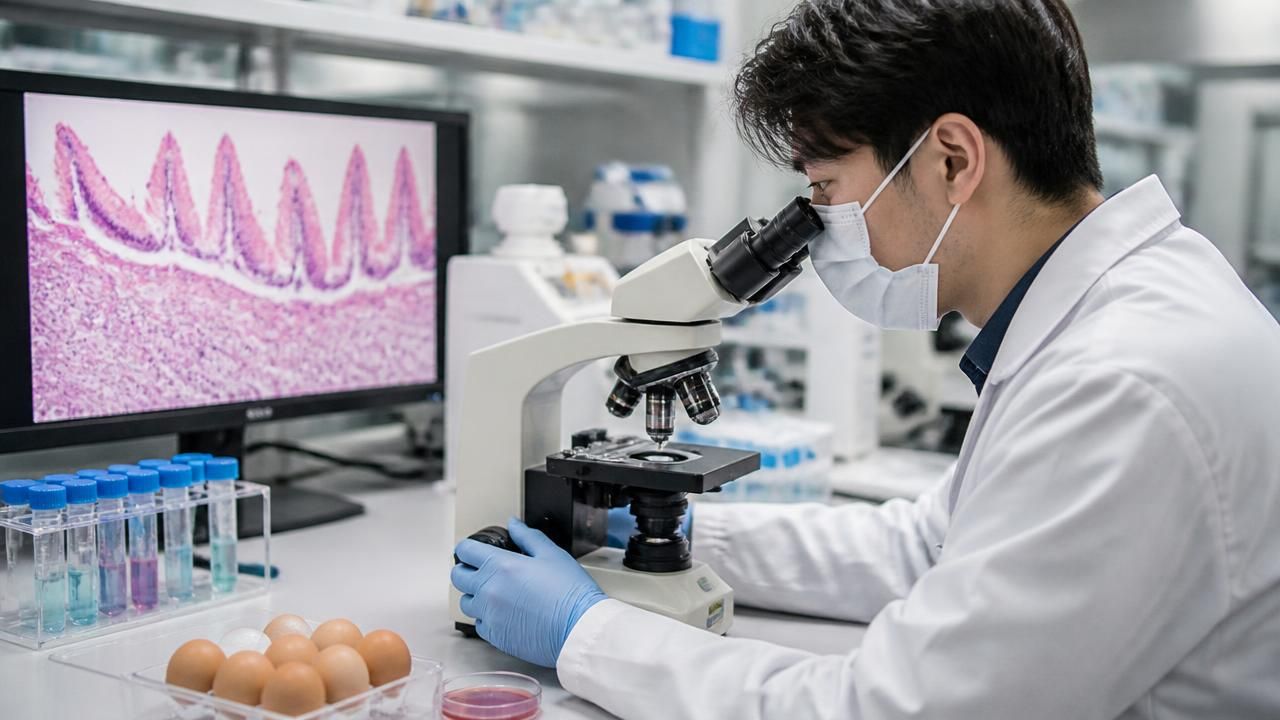
Gum disease, or periodontitis, affects millions worldwide and is a leading cause of tooth loss in adults. Conventional treatments often rely on broad-spectrum antibiotics that wipe out both harmful and beneficial bacteria, disrupting the oral microbiome. But a new study from researchers in Japan offers a promising alternative: a treatment that uses egg yolk antibodies and near-infrared light to selectively destroy harmful bacteria while preserving beneficial microbes and protecting healthy gum cells.
A Targeted Approach to Periodontitis
According to a report in ScienceDaily, the innovative approach significantly reduced bone loss associated with periodontitis in mice. The research, also covered by news-medical.net, highlights a shift toward precision dentistry that aims to maintain the mouth's natural bacterial balance. Unlike conventional treatments, this method spares good bacteria and healthy gum tissue, potentially reducing side effects and improving long-term outcomes.
How It Works
The treatment combines egg yolk antibodies—which specifically target harmful periodontal bacteria—with near-infrared light. The antibodies bind to the bad bacteria, and the light activates a photosensitive agent that destroys them. This dual-action approach is highly selective, leaving beneficial microbes unharmed. In the mouse study, the treatment not only reduced bacterial load but also significantly decreased bone loss, a hallmark of advanced periodontitis.
'The treatment significantly reduced the bone loss associated with periodontitis in mice,' the study reports, underscoring its potential as a disease-modifying therapy.
Understanding Periodontitis
Periodontitis is a chronic inflammatory disease caused by specific pathogenic bacteria in dental plaque. It leads to destruction of the gums and bone that support teeth, eventually causing tooth loss. According to the CDC, nearly half of adults over 30 have some form of periodontal disease. Traditional treatments include antibiotics, which can disrupt the gut and oral microbiome, and mechanical debridement, which is effective but invasive.
The new approach, developed by researchers in Japan, uses immunoglobulin Y (IgY) antibodies extracted from egg yolks. These antibodies are raised against specific periodontal pathogens, such as Porphyromonas gingivalis. When applied to the gums, they bind to the bad bacteria. Near-infrared light is then used to activate a photosensitizer, killing the targeted bacteria. Because the antibodies are specific, beneficial bacteria remain unharmed.
Study Results and Implications
In the mouse model of periodontitis, the treatment significantly reduced alveolar bone loss—the bone that holds teeth in place—compared to untreated controls. The study, published in a peer-reviewed journal, also showed that the treatment preserved healthy gum cells and maintained microbial diversity. This is crucial because a balanced oral microbiome helps prevent colonization by pathogens and modulates the immune response.
The Consumer Perspective: At-Home Relief
While the scientific breakthrough offers hope for a future cure, many people currently turn to at-home remedies for fast relief from bleeding gums. An article on msn.com titled 'Bleeding gums? Try these at-home gum disease treatments for fast relief' reflects this demand. Although the content of the MSN piece was not detailed, such articles typically recommend improved oral hygiene, saltwater rinses, and over-the-counter antiseptic mouthwashes. However, dental professionals caution that these measures manage symptoms but do not address the underlying bacterial imbalance or bone loss.
The contrast between the scientific reports and the consumer-focused MSN article illustrates how different outlets frame the story: science outlets emphasize the novel mechanism and preclinical results, while lifestyle outlets provide immediate, practical advice for concerned patients. Both perspectives are valuable—the former offers long-term hope, the latter addresses immediate needs.
Why It Matters
Periodontitis is not just a dental issue; it has been linked to systemic conditions such as cardiovascular disease, diabetes, and even Alzheimer's. Current treatments, including scaling and root planing, often require repeated visits and may not fully eradicate the disease. The new approach could revolutionize periodontal therapy by offering a non-invasive, targeted treatment that preserves the oral microbiome—a key component of overall health.
Researchers emphasize that human trials are needed before the treatment becomes available. In the meantime, maintaining good oral hygiene, regular dental check-ups, and professional cleanings remain essential. The MSN article serves as a reminder that while we await scientific advances, at-home care can provide some relief, but it is not a substitute for professional treatment.
What’s Next
The research team in Japan is likely to pursue further preclinical studies and eventually human clinical trials. If successful, this egg yolk antibody and near-infrared light therapy could become a standard treatment for periodontitis, offering a safer, more effective alternative to antibiotics. For now, patients should consult their dentists for persistent gum issues and stay informed about emerging options.
As news-medical.net and ScienceDaily both report, the study represents a significant step forward in microbiome-friendly dentistry. The MSN coverage, though less detailed, highlights the public appetite for solutions—both immediate and long-term. Balancing these perspectives, it's clear that innovation in periodontal care is on the horizon, but prudent oral hygiene remains the first line of defense.