Global markets staged an uneven, half-hearted recovery on Monday after a bruising selloff in artificial-intelligence-linked equities, with European semiconductor shares bouncing back even as investors openly questioned whether the trade that has powered stocks for three years is beginning to unravel.
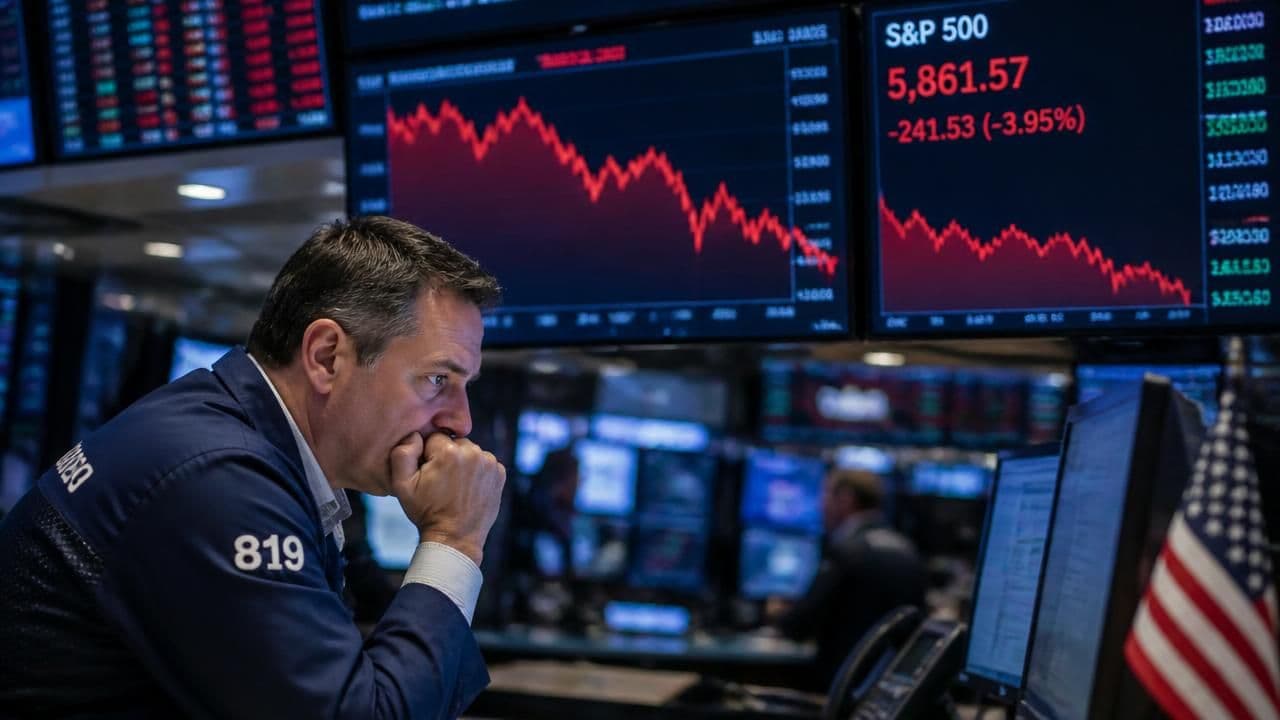
The rebound followed what The Guardian described as Wall Street's worst single session in 19 months — a rout that rippled outward from New York into Asian markets overnight before touching Europe at the open. By the close of the European morning, the picture was one of stabilisation rather than conviction.
A Partial Bounce, Not a Reversal
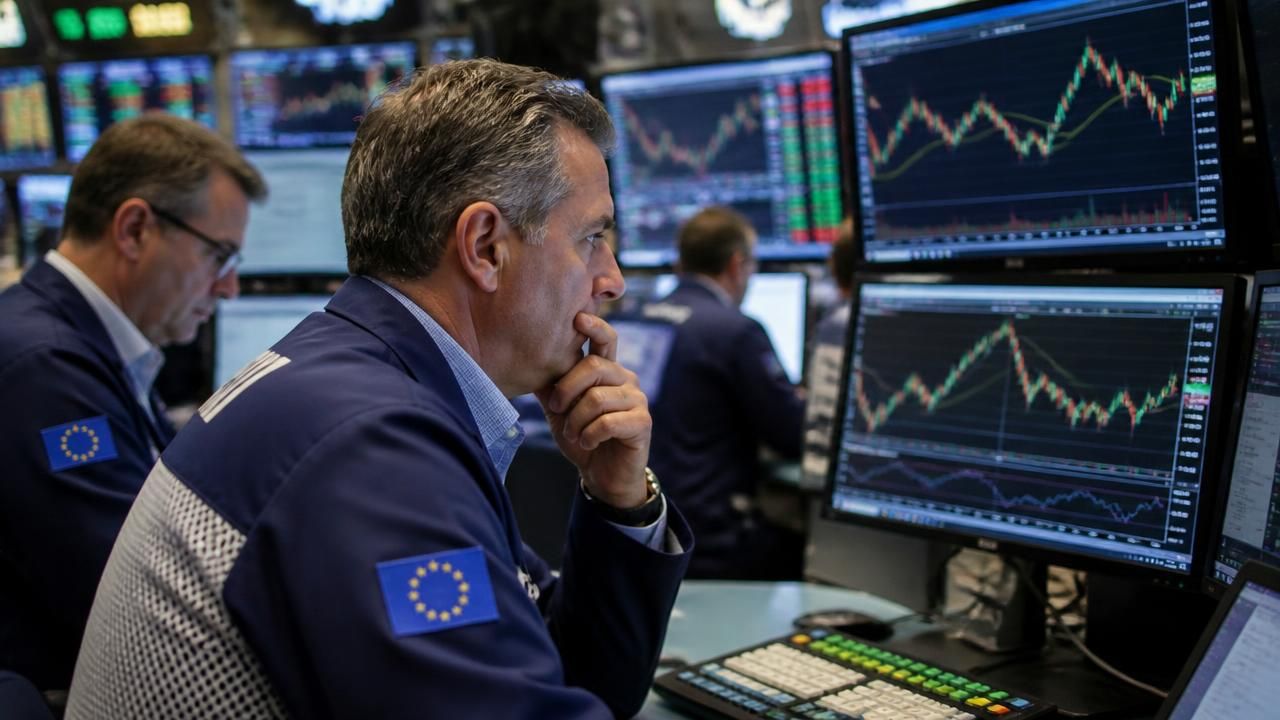
Bloomberg Markets reported that European chip stocks staged a partial recovery on Monday after falling more than 10% the previous week, while the pan-European STOXX 600 edged higher as technology shares clawed back some lost ground.
The language of "partial" and "modest" recurred across coverage. The Guardian characterised the Wall Street session as a "modest recovery" for US tech stocks following the worst day in 19 months, while other market wraps noted that tech shares bounced but failed to recover their losses. Yahoo Finance framed the question more bluntly in its headline: whether the AI chip rally marks a genuine floor — or the moment the bubble starts to burst.
Tech bounced, but the bounce was not enough to erase the damage. Traders spent the session asking whether they were watching a correction or the beginning of a regime change.
Asia Scrambles, Wall Street Steadies
The sequencing mattered. US futures bounced as Asian stocks were rattled by the AI rout, with regional exchanges scrambling to slow the slide in technology names. Different outlets framed the same tape in starkly different terms: some emphasised the recovery, others the fragility.
RFI took the more sceptical line, reporting that stocks fell as the Nasdaq bounce failed to ease doubts about AI valuations. MSN's market wraps captured the whipsaw, describing markets that fluctuated as US rate worries tempered the tech bounce — a reminder that the AI story is now entangled with the interest-rate story.
One of the few company-specific catalysts was reported by MarketScreener: AI infrastructure firm CoreWeave received an upgrade from Goldman Sachs, a vote of confidence for the picks-and-shovels layer of the AI economy even as the application layer wobbled.
Why Rates Keep Haunting the AI Trade
The AI rally has been unusually concentrated and unusually long-duration — two characteristics that make it acutely sensitive to discount rates. When rate expectations shift higher, the present value of profits projected years into the future compresses, and the most expensive growth names feel it first.
That dynamic explains why a bounce in chipmakers can coexist with a nervous tape. Investors are not disputing that AI capital expenditure is real; they are disputing the multiple they should pay for it.
- Concentration risk: A handful of megacap names now drive a disproportionate share of index returns, amplifying drawdowns.
- Rate sensitivity: Higher-for-longer expectations erode the value of long-dated earnings.
- Circular financing questions: Chips, clouds and model developers increasingly buy from and invest in one another, a structure that magnifies confidence swings.
- Flow dependence: Retail and ETF money has become a structural support — and a potential accelerant.
The ETF Clue: Money Was Still Pouring In
Perhaps the most revealing data point came from ad-hoc-news.de, which noted that Vanguard's All-World ETF pulled in €2.7 billion in October — and then the AI trade buckled. The detail is instructive. Passive inflows into global equity funds are not a vote on AI specifically, but they demonstrate how much household capital now sits inside the same concentrated index exposure that the AI selloff hits hardest.
When flows are that large and that undifferentiated, a valuation shock in a narrow group of stocks transmits quickly to a very broad base of savers. That is a large part of why the rout drew so much attention relative to its size.
Meanwhile, in Energy: Gas Prices Jump
The AI story was not the only pressure on European markets. Bloomberg reported that European natural gas prices jumped as a sharply colder weather outlook intensified concerns over winter supplies — concerns already aggravated by export disruptions linked to the Iran war.
The combination is uncomfortable for the continent: an energy cost shock arriving just as industrial and technology valuations are being questioned. Higher energy prices feed through to inflation, which feeds back into the rate expectations weighing on growth stocks. The two stories are, in that sense, the same story.
What to Watch
Attention now turns to whether the bounce holds through the US session and whether follow-through buying emerges in semiconductors, or whether rallies continue to be sold into. Strategists will also be watching breadth: if gains stay confined to a narrow group of megacaps, the recovery is fragile by construction.
The consensus framing across outlets is that the AI thesis has not been broken — but that it has entered a more discriminating phase. Capital is no longer flowing to anything with an AI prefix. The next leg of the trade will be decided by earnings, cash flow, and, above all, the path of interest rates.