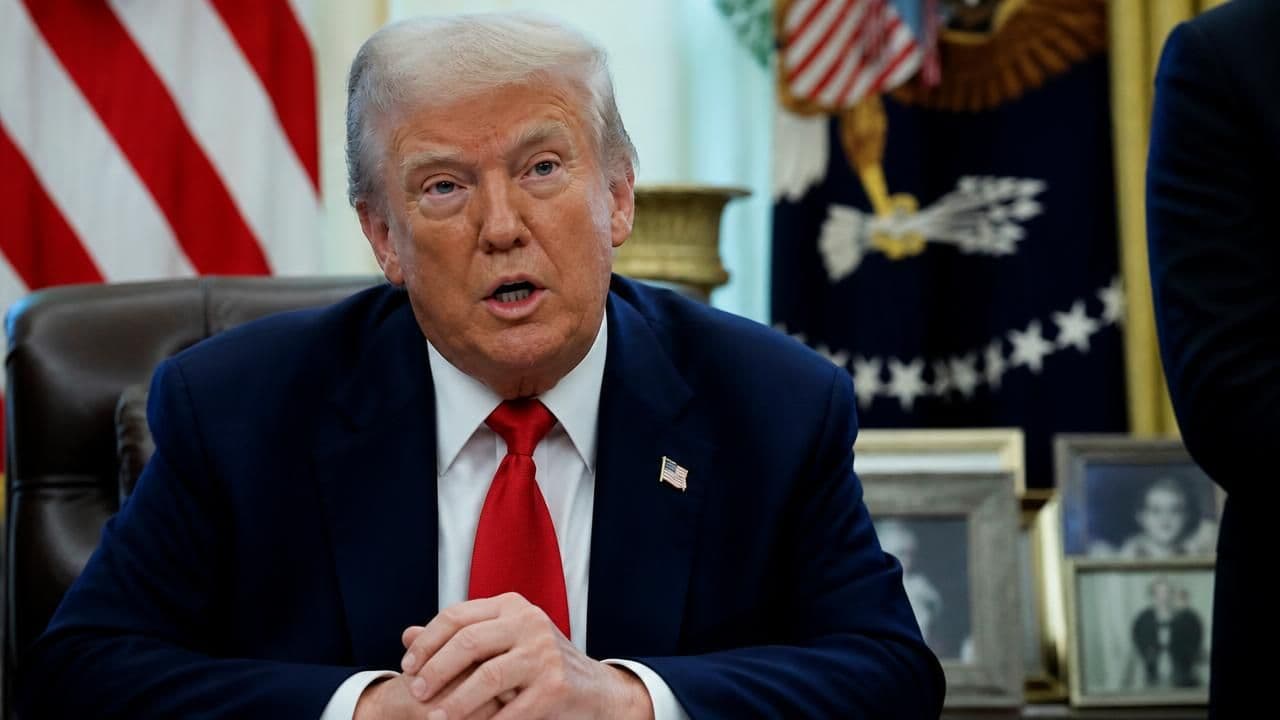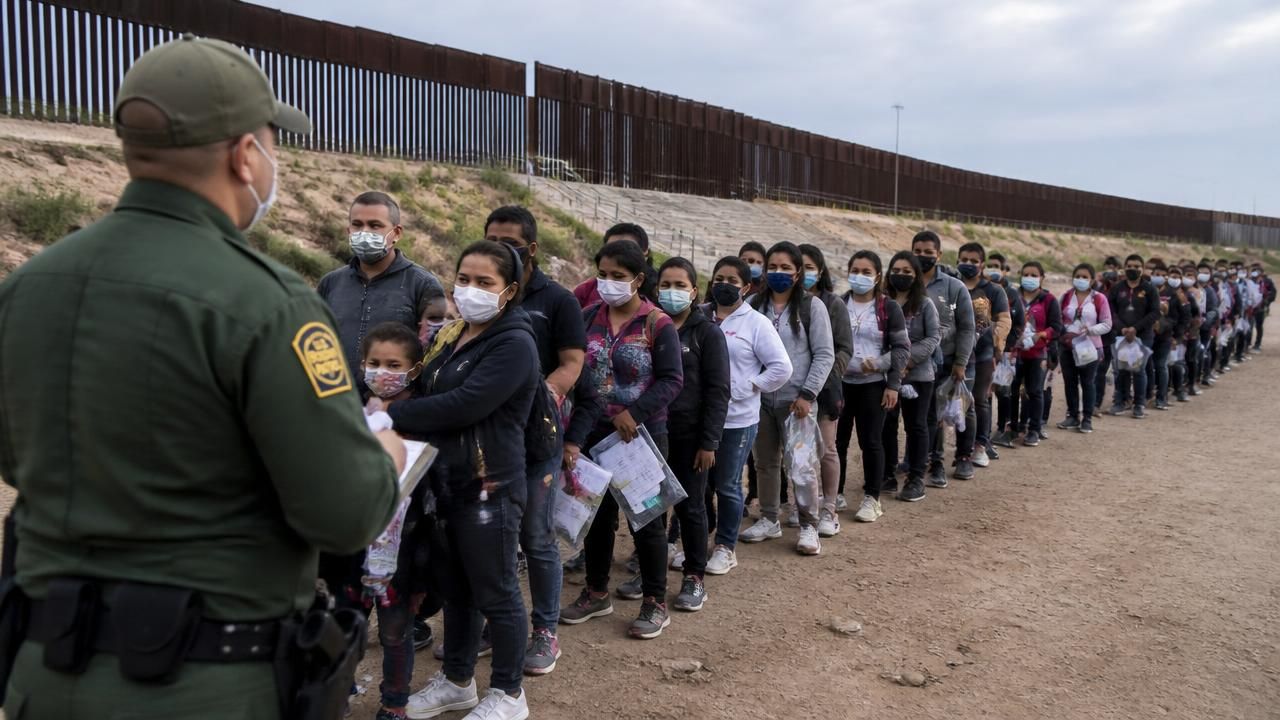
In a sweeping escalation of immigration enforcement, the Trump administration is preparing to revoke the business and tourism visas of up to 200,000 foreigners who have applied for or are currently seeking asylum in the United States. Officials confirmed to multiple outlets that the plan would mark the largest mass visa revocation in American history, dwarfing previous enforcement actions and targeting a vulnerable population already in the midst of legal proceedings.
According to NPR, which first reported the story, the move would affect individuals who entered the country legally on non-immigrant visas—primarily B-1 business and B-2 tourist visas—and subsequently filed asylum claims. By revoking their underlying visas, the administration aims to close what it views as a loophole that allows visitors to "self-sponsor" their stay through the asylum process. The news was quickly amplified by outlets including the New York Post, Bloomberg, NBC News, The Washington Examiner, and the International Business Times, all highlighting the historic scale of the plan.
Who Is Affected and How Would It Work?
The visas in question are temporary, non-immigrant visas. Once revoked, individuals lose their legal immigration status, rendering their presence in the United States unlawful. They could then face deportation proceedings, regardless of the merit of their asylum claims. The scope is staggering: up to 200,000 people are currently in the pipeline, according to internal administration figures.
Reports indicate that a significant number of those affected may be individuals from countries with high volumes of visitor visa arrivals, including India, China, and several African nations. The Times Now outlet specifically asked which Indians are at risk, noting that many Indian nationals arrive on tourist or medical visas and later apply for asylum. Legal experts point out that the administration's action would not necessarily terminate the asylum claim itself but would strip the applicant of any legal basis to remain in the country while the claim is pending. That could leave tens of thousands of people in legal limbo, unable to work or access benefits, and facing imminent removal.
"We are closing a loophole that allows individuals to come to the United States on a temporary basis and then attempt to remain permanently through the asylum system," a senior administration official was quoted as saying by The Hill. Officials described the planned measure as a deterrent to asylum fraud and visa abuse.
Trump's Immigration Crackdown Intensifies
This move represents a dramatic departure from past practice. While individual visa revocations are common, mass revocations have rarely been used as a policy tool. The administration, however, has consistently pursued aggressive immigration enforcement, from the travel ban to the border wall to heightened scrutiny of visa overstays. The asylum system has been a particular target, with officials arguing that the mere filing of an asylum claim should not guarantee a right to remain.
The legal basis for the action is thought to be Section 221(i) of the Immigration and Nationality Act, which allows the State Department to revoke any visa at any time "for good cause." Whether the administration can apply this authority in a blanket manner to 200,000 individuals is unclear. Due process advocates argue that such a mass action lacks individual adjudication and violates the Administrative Procedure Act, which requires notice and comment for rulemaking that has a substantial impact on rights.
Outlets Frame the Story Differently
Coverage of the announcement has varied by outlet's editorial perspective. The New York Post and Washington Examiner trumpet the move as a decisive crackdown on asylum fraud, emphasizing the administration's commitment to enforcing immigration law. Meanwhile, NPR and NBC News focus on the human scale and legal precariousness, noting that many asylum-seekers are fleeing persecution and have a legal right to apply for protection under U.S. and international law. Bloomberg's coverage highlights the international business community's concern, as the affected individuals include entrepreneurs and investors who regularly travel on B-1 visas. The South China Morning Post frames it within the broader context of the president's "America First" doctrine, which has complicated diplomatic relations with countries whose citizens are caught in the crosshairs.
Interestingly, several outlets, including msn.com and Newswav, simply relayed the wire copy, underscoring how quickly the story entered the mainstream. The Seattle Times and other regional papers picked it up, indicating national significance.
Legal Challenges and Humanitarian Concerns
Immigration lawyers and civil rights organizations have already signaled they will sue. The American Civil Liberties Union (ACLU) called the plan "a deliberate attack on the right to asylum," arguing that many of these individuals have pressing claims of persecution and that revoking visas without individual review violates the International Covenant on Civil and Political Rights. "This is a de facto ban on asylum for anyone who dares to enter through legal channels," said a lawyer specializing in immigration law, speaking to NBC News.
Humanitarian organizations also warn of profound consequences. Many of the 200,000 individuals have built lives in the United States, with jobs, families, and community ties. Even if their asylum claims are ultimately denied, they are entitled to a hearing before an immigration judge. Revoking visas preemptively could short-circuit those proceedings and lead to rapid deportations, separating families and sending individuals back to situations of potential danger.
What's Next?
Details of the plan are still emerging, and implementation will be complex. The State Department would likely coordinate with the Department of Homeland Security and U.S. Citizenship and Immigration Services. Officials have not provided a timeline, but reports suggest the administration is moving swiftly, possibly before the end of the current political cycle. Legal challenges are expected to delay execution, and Congress may weigh in, though the administration appears determined to test the limits of executive power.
The implications extend far beyond the affected individuals. If carried out, this mass revocation would signal a hardening of U.S. immigration policy, potentially deterring future visitors and asylum-seekers. It could also reshape the global perception of the United States as a refuge for those fleeing persecution. As the story continues to develop, the world is watching to see whether the largest mass visa revocation in history will indeed come to pass—or be stopped by the courts, public outcry, and the sheer complexity of unraveling 200,000 lives.