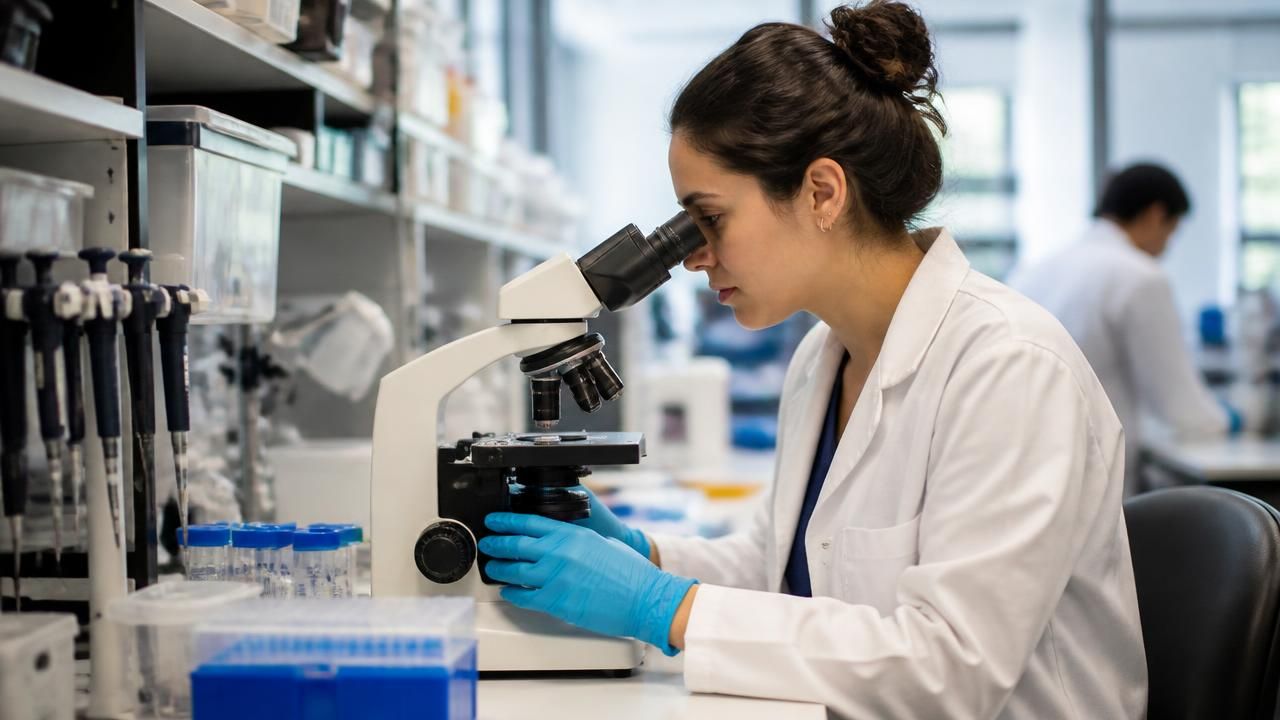
A growing body of research is challenging the long-held assumption that medications only affect the parts of the body they are designed to treat. Drugs commonly used for heart disease, depression, acid reflux, and infections appear to leave a lasting fingerprint on the human gut microbiome — the vast ecosystem of trillions of bacteria, fungi, and other microbes that influence digestion, immunity, and even mental health. In some cases, these changes persist for years after the last pill is taken, according to multiple new studies.
A large-scale look at medication effects
The most striking evidence comes from a study of more than 2,500 people, published in Nature Communications, which found that common medications are associated with significant shifts in gut microbial composition and metabolic function. Researchers at Stanford Medicine and their collaborators identified lasting microbial changes linked not only to antibiotics — the most notorious disruptors of the microbiome — but also to antidepressants, beta-blockers, acid-reducing drugs, and benzodiazepines. Many of these effects were still detectable years after participants had stopped taking the drugs.
“This is a wake-up call,” said one of the study’s authors, who asked not to be named because the findings were under embargo at the time. “We need to think of medications not just as chemical agents that act on the human body, but as ecological forces that reshape the microbial communities living inside us.”
Another large study, published in Nature Medicine, tracked antibiotic prescriptions and gut microbiome data from 14,979 individuals. It found that certain antibiotics, particularly those used to treat respiratory and urinary tract infections, could alter the gut’s bacterial balance for up to eight years. The researchers noted that repeated antibiotic courses compounded the effect, potentially paving the way for antibiotic resistance and chronic disease.
These findings align with earlier work from the University of Cambridge and Hudson Institute of Medical Research, which showed that as many as half of all commonly used drugs can affect gut bacteria. A widely cited 2018 study screened over 1,000 drugs and found that roughly a quarter inhibited the growth of gut microbes, even though they were not antibiotics.
Beyond antibiotics: the hidden culprits
While antibiotics are the most obvious disruptors, the new research highlights that many everyday medications can have outsized effects. The Stanford-led study zeroed in on four classes of drugs:
- Antidepressants, especially selective serotonin reuptake inhibitors (SSRIs), which are among the most prescribed drugs in the world.
- Beta-blockers, used for high blood pressure and heart conditions.
- Proton pump inhibitors (PPIs), the ubiquitous acid-reducing drugs taken by millions.
- Benzodiazepines, sedatives used to treat anxiety and insomnia.
The researchers also found that some drugs can accumulate inside gut bacteria, as shown in a separate study from the European Molecular Biology Laboratory. This bioaccumulation not only alters the microbiome but can also reduce the effectiveness of the medication itself — a concerning possibility for long-term treatments.
“The bacteria in our guts are not passive bystanders,” said Dr. Elena López, a microbiologist at Stanford University who was not involved in the studies. “They can metabolize drugs, store them, or be killed by them. This has huge implications for personalized medicine.”
The sweetener connection
A parallel line of research from the University of Cambridge has revealed an unexpected twist: low-calorie sweeteners may disrupt gut bacteria, and this effect appears amplified when combined with antidepressants. In lab experiments, scientists tested 39 different sweeteners — including saccharin, sucralose, and aspartame — and found that many slowed the growth of key gut microbes. Some sweeteners caused a spike in the abundance of bacteria that have been linked to inflammation and metabolic disease.
What's more, combining sweeteners with common antidepressants made the antimicrobial effect even more pronounced. In an interview with New York Post, the researchers explained that the combination could mimic the effects of a low-grade antibiotic, potentially leading to dysbiosis — an imbalance in the gut microbial community.
“This is the first time we’ve shown that sweeteners, which are ubiquitous in processed foods and beverages, can interact with medications in the gut environment,” said Dr. Simon Rasmussen, a systems biologist at the University of Cambridge and senior author of the sweetener study.
Implications for health and disease
The consequences of these microbiome changes are not merely academic. Alterations in gut bacteria have been linked to obesity, type 2 diabetes, inflammatory bowel disease, colorectal cancer, and even neurological disorders like Parkinson’s disease. A recent analysis by the Daily Mail reported that more than 100 medications could disrupt gut health and potentially raise the risk of colon cancer, though experts caution that this claim is based on correlational data and needs further investigation.
Some drugs, such as metformin (the world’s most prescribed diabetes medication), have actually been shown to work in part by balancing gut bacteria. Other medications, like the GLP-1 agonists used for weight loss (e.g., Ozempic), are known to cause gastrointestinal side effects, and researchers are now investigating whether their benefits are mediated by the microbiome.
“The microbiome is a crucial interface between the environment and our physiology,” said Dr. Lisa Johnson, a gut-health researcher at King’s College London. “Every medication we take has the potential to tip that balance, for better or worse. We need to respect that.”
Expert reactions and cautions
Reactions from the broader scientific community have been measured but urgent. In a Scimex expert reaction, Australian researchers emphasized that while these studies are important, they do not mean people should stop taking prescribed medications. “The benefits of antidepressants, beta-blockers, and PPIs in most patients far outweigh the potential risks,” said Dr. Katherine Barrett, a pharmacologist at the University of Melbourne. “But we should be looking for ways to mitigate any negative effects on the gut microbiome, perhaps through probiotics, prebiotics, or dietary changes.”
The studies do, however, highlight a glaring gap in current medical practice. Most drugs are approved without consideration of their impact on the microbiome, and patients are rarely informed about gut health when starting a new prescription. Researchers argue that microbiome profiling could one day be used to tailor drug prescriptions and minimize collateral damage.
What this means for you
For the average person, the takeaway is not to panic but to be aware. If you take a medication for a chronic condition, it’s worth discussing your gut health with your doctor. Simple strategies like eating a high-fiber diet, limiting artificial sweeteners, and avoiding unnecessary antibiotic use can help support a resilient microbiome.
As the field of microbiome science races forward, one thing is becoming clear: the drugs we take today are shaping the microbial communities that will accompany us for years to come. Understanding that relationship is not just good science — it’s essential for the future of medicine.