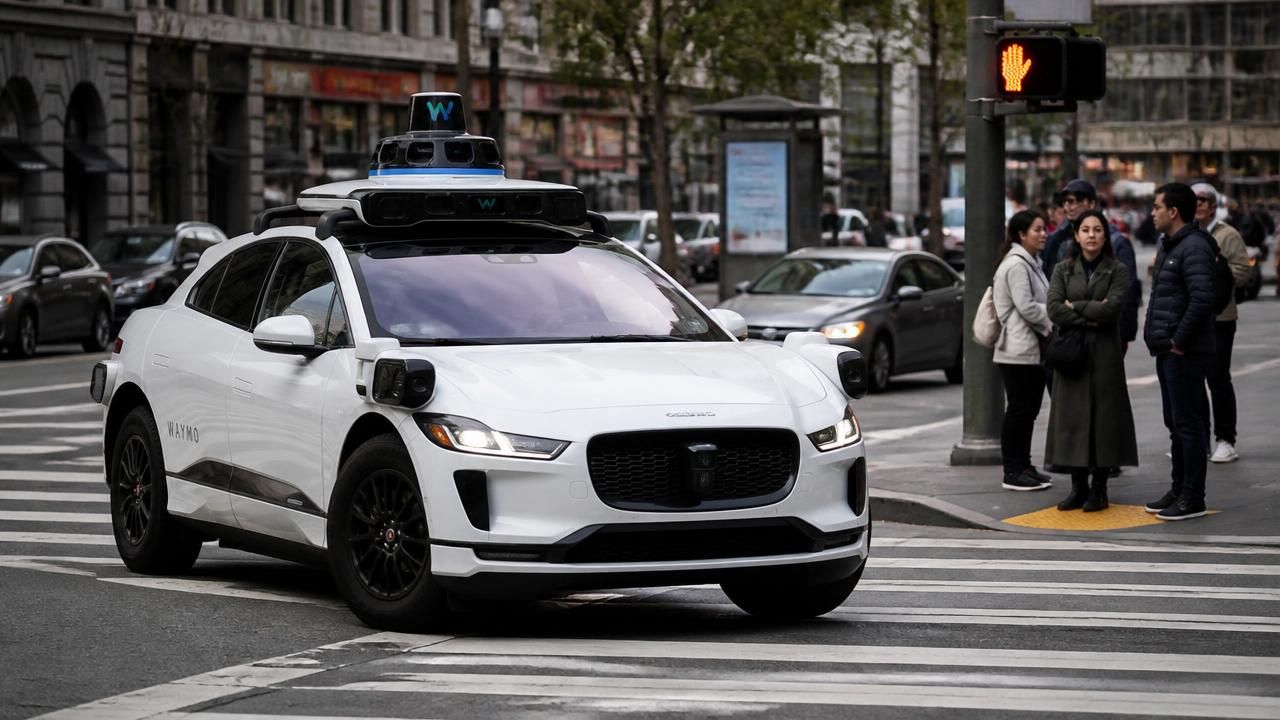
Robotaxis have shifted from science fiction to street corners, but their rapid expansion is hitting speed bumps. In recent weeks, a spate of safety recalls—including nearly 3,900 Waymo vehicles that drove into freeway construction zones and 105 Zoox vehicles that encountered heavy smoke at an active fire scene—has reignited public anxiety over driverless technology. At the same time, cities from Boston to London are wrestling with how, or even whether, to allow autonomous taxis on their roads. The result is a defining moment for an industry that promises to reinvent urban mobility, yet must navigate a minefield of technical glitches, political opposition, and labor unrest.
The Expansion Race: From Commercial Success to Urban Backlash
Waymo, Alphabet’s autonomous vehicle subsidiary, has emerged as the front-runner. According to Forbes, Waymo’s robotaxis are now a real business for Google, generating meaningful revenue as they expand into new markets. The company recently received approval to launch service in Los Angeles—despite local safety concerns, as the New York Post reported. But that growth has triggered a wave of resistance. In Boston, officials are pushing back against Waymo’s plans, fueling a debate over whether driverless taxis belong in congested, unpredictable city streets.
New York presents a different picture: Governor Kathy Hochul withdrew a proposal earlier this year that would have allowed driverless robotaxis outside New York City, after taxi drivers, unions, and state lawmakers voiced strong opposition. Commercial driverless service remains illegal in the state, and legalization efforts have stalled, according to The Verge. In Washington, D.C., labor unions are fighting legislation that would legalize commercial robotaxis, while lawmakers weigh a 200-vehicle cap and a 15-cent-per-mile fee that would fund Metro upgrades and support workers displaced by autonomous vehicles.
Across the Atlantic, London is poised to become the next battleground. The city could soon get its first robotaxis, reports Autoweek, but traditional black-cab drivers are gearing up for a fight. The Financial Times notes that cabbies are plotting “skulduggery” to take on the intruders, a testament to the fierce resistance the technology faces in established transit ecosystems. In continental Europe, companies face a different set of hurdles: fragmented regulations, infrastructure challenges, and public skepticism, as highlighted by Yahoo Finance.
Safety Under Scrutiny: The Recalls That Shook Confidence
The most immediate threat to robotaxi acceptance is safety. Waymo voluntarily recalled approximately 3,900 robotaxis after several vehicles drove into closed freeway construction zones. The recall, reported by Reuters, CNBC, and the New York Post, came after incidents in which the vehicles ignored barricades or signage, prompting federal scrutiny. The National Highway Traffic Safety Administration (NHTSA) has increased pressure on all autonomous vehicle developers to ensure their systems can robustly handle road hazards, as Forbes reported.
Amazon’s Zoox also faces a recall, affecting 105 robotaxis after one vehicle drove into heavy smoke at an active fire scene. The incident, detailed by The Next Web and Autoweek, raised questions about how autonomous vehicles perceive and react to emergency situations. Zoox has since updated its software to prevent similar occurrences. These recalls underscore a broader issue: while robotaxis are statistically still new, their real-world interactions with unpredictable environments remain a work in progress.
TechRepublic argues that Waymo’s systems are getting safer, but scaling them exposes new problems. Indeed, the company’s recall involved a specific edge case—freeway construction zones—that illustrates how difficult it is to anticipate every scenario. Autoblog’s headline bluntly summarized the risk: “Waymo Robotaxis May Drive Into Closed Freeway Construction Zones.”
Remote Assistance: The Human Behind the Wheel
One often-overlooked component of robotaxi operations is the human element. Asamnews reported that Waymo employs Filipino laborers to help operate its robotaxis, likely as remote operators who can intervene when the vehicle’s AI encounters something it cannot handle. The Verge recently lifted the lid on the “brain” powering Waymo’s fleet, revealing a sophisticated remote-assistance system that monitors vehicles in real time. This hybrid model—autonomous driving with human backup—challenges the notion of a fully driverless future and raises questions about labor practices and job displacement, a key concern for unions in Washington and New York.
Regulatory Tactics and the Future of Mobility
As robotaxis expand, cities are experimenting with novel regulatory tools. In Los Angeles, where Waymo just received approval, some officials are exploring whether robotaxis could be booted from the city entirely, according to Autoweek. The city’s transit agency has raised concerns about congestion, accessibility, and safety. Meanwhile, Boston’s resistance, as reported by tlimagazine.com, suggests that even tech-friendly cities are deeply divided.
The federal government is also stepping in. NHTSA has pushed developers to comply with safety standards, especially after the recent recalls. “Feds Put Pressure On Developers To Make Robotaxis Safer,” Forbes declared, signaling a shift toward more aggressive oversight. At the same time, regulators are beginning to approve more advanced designs: Amazon’s Zoox has secured U.S. federal approval for steering-wheel-free robotaxis, and Boston Herald reports that brake-pedal-free vehicles could be next. These advancements could accelerate deployment, but they also raise new safety questions.
New Players and the Battle for Supremacy
Waymo is no longer alone in the robotaxi arena. GM has announced that its autonomous cars will eventually be capable of running as robotaxis, potentially entering the market once its technology matures. Mobileye, the Israeli company that supplies driver-assistance systems to most automakers, is now developing its own robotaxi fleet, as Carscoops reported. With Amazon’s Zoox pushing ahead and traditional automakers like GM joining the race, competition is intensifying.
This influx of players could accelerate innovation but also complicate the regulatory landscape. Each company uses different sensor suites, software stacks, and operational domains, making uniform safety standards difficult to enforce. The push for steering-wheel-free vehicles, for instance, challenges legacy safety regulations designed around human drivers.
What Lies Ahead: A Fork in the Road
The robotaxi debate is no longer about whether the technology works—it demonstrably does, at least in controlled conditions. The real question is how society will govern it. The recent recalls and regulatory battles reveal a pattern: innovation is racing ahead of rules, and public trust is fragile.
For Waymo, the commercial breakthrough is undeniable. Forbes’s assessment that robotaxis are finally a real business for Google suggests that profitability is within reach. But the pushback in major markets—from New York to London—shows that technical capability alone will not secure a place on city streets. Driverless taxis must earn social license, navigate political landscapes, and address labor concerns head-on.
As the industry enters this critical phase, one thing is clear: the road ahead will be shaped less by technology and more by politics, policy, and public perception. The battle over robotaxis is not just about autonomous vehicles; it is about the future of work, urban planning, and the very fabric of our cities.
- Who: Waymo (Alphabet), Amazon’s Zoox, GM, Mobileye, city governments, labor unions, taxi drivers.
- What: Expansion of commercial robotaxi services, marred by safety recalls and regulatory resistance.
- When: Ongoing, with major developments in 2025 and early 2026.
- Where: Los Angeles, Boston, New York, Washington D.C., London, and beyond.
- Why: The promise of safer, cheaper, and more efficient transportation conflicts with safety concerns, job displacement, and regulatory unpreparedness.
- How: Through technological advancements, remote assistance, public lobbying, legislative battles, and federal oversight.
“Robotaxis are expanding. So is the fight over the rules governing them.” — The Verge
Whether robotaxis ultimately succeed may depend on how industry and regulators reconcile these opposing forces in the years to come.