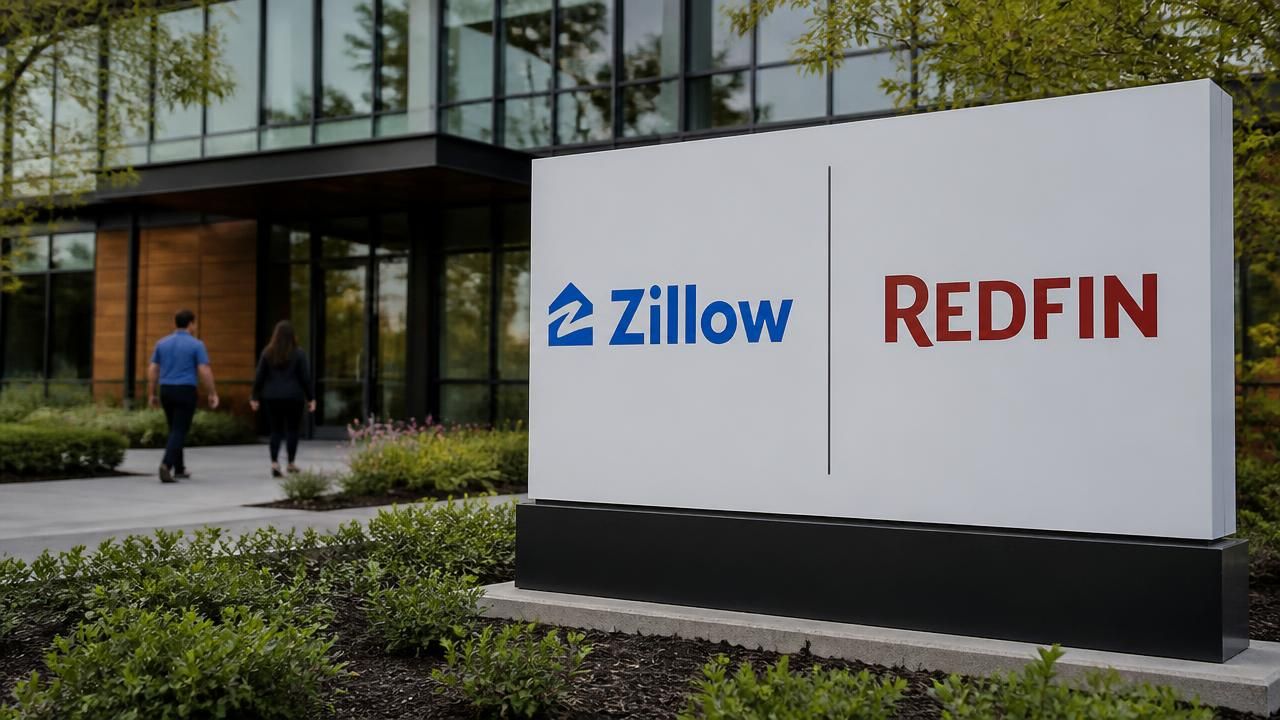
In a last-minute turn before a high-stakes trial, Zillow and Redfin have reached a settlement with the Federal Trade Commission (FTC) over allegations that their 2025 rental listings partnership violated antitrust law. The agreement, announced just weeks before the case was set to go to court, effectively unwinds key components of the deal and forces Redfin to restart its own rental listings advertising business.
The FTC had accused Zillow of paying Redfin to syndicate its rental listings while Redfin agreed to end its own advertising contracts and promised not to compete with Zillow for multifamily listings. That arrangement, the agency argued, eliminated competition in the online apartment listings market, harming consumers and landlords alike.
What the Settlement Does
Under the proposed settlement, Redfin may continue to syndicate rental listings from Zillow, but without the anticompetitive restraints that were baked into the original agreement. More significantly, Redfin is required to revive its own rental listings advertising business, which it had wound down as part of the partnership. The FTC said this will restore competition and give renters more choices when searching for apartments.
“The settlement ensures that Redfin can compete freely again, and it sends a clear signal that the FTC will not tolerate anticompetitive deals that harm consumers,” the agency said in a statement.
The settlement also resolves claims brought by the state of Arizona. Arizona Attorney General Kris Mayes had joined the FTC in challenging the deal, arguing that it would drive up costs and reduce quality for rental listings. Mayes called the settlement “a victory for renters and for competition.”
Background of the Case
The original partnership, announced in early 2025, was intended to combine Zillow’s massive traffic with Redfin’s brokerage and listings data. Zillow agreed to pay Redfin roughly $100 million over several years to syndicate its rental listings. In return, Redfin shuttered its own rental advertising platform and agreed not to enter the multifamily listings space for a set period.
The FTC sued in late 2025, alleging that the arrangement was a classic “pay-for-competitor-exit” scheme. The agency sought an injunction to block the deal and restore Redfin as an independent competitor. A federal judge had denied the FTC’s initial motion for a preliminary injunction, but the agency pressed forward, with a trial scheduled for the coming month.
How the Companies Responded
Zillow said it was pleased to resolve the matter without prolonged litigation. In a statement, the company said it “continues to believe the partnership was lawful and pro-competitive,” but agreed to the settlement to avoid further disruption. Redfin similarly acknowledged the settlement, noting that it looks forward to “competing vigorously” in the rental listings market again.
The settlement allows Redfin to immediately begin rebuilding its rental advertising products. Analysts say this could take time, but the company’s existing infrastructure and brand recognition will likely help it regain traction.
Industry and Legal Perspectives
Legal experts see the settlement as a significant win for antitrust enforcement in the digital real estate space. It mirrors recent FTC actions against other tech platforms that have used financial incentives to neutralize competitors.
“This is a textbook case of a horizontal agreement to divide markets,” said Sarah Thompson, an antitrust law professor at Georgetown University. “The FTC’s willingness to take it to trial—and the companies’ decision to blink first—shows that these deals will be scrutinized.”
The case has broader implications for online real estate platforms, which have been consolidating through partnerships and acquisitions. Zillow remains the dominant player in rental listings, but the settlement ensures Redfin will remain a viable alternative.
What Comes Next
The FTC will take public comment on the proposed settlement for 30 days before making it final. Meanwhile, Redfin is expected to relaunch its rental listings advertising business in the coming months. The company has already begun hiring for product and sales roles in that division.
For consumers, the settlement means more competition and potentially better tools for finding apartments. Zillow will still carry Redfin’s listings, but Redfin will also run its own marketplace, giving landlords and property managers more choices and negotiating leverage.
The settlement also sends a warning to other tech companies: paying a rival to stay out of your market—even through a complex partnership—remains a high-risk strategy.
Broader Context
The case is part of a larger wave of antitrust scrutiny facing the real estate and technology sectors. The FTC has also investigated other practices in the housing market, including algorithmic pricing and data-sharing arrangements. While this settlement ends one dispute, it does not necessarily inoculate Zillow or Redfin from future challenges.
- Who: Zillow, Redfin, FTC, Arizona AG
- What: Settlement unwinding a $100M rental listings partnership
- When: Announced just before a scheduled trial
- Where: U.S. federal courts, FTC jurisdiction
- Why: Alleged antitrust violations that suppressed competition
- How: Redfin restarts its rental advertising business; Zillow pays no penalty but drops restrictive clauses
The settlement marks a rare instance where the FTC forced a company to resurrect a business it had dismantled. Whether it restores the competitive dynamics that existed before the partnership will depend on how quickly Redfin can rebuild its platform and reclaim market share.
As the rental market continues to evolve, this case will likely be cited as a precedent in future antitrust challenges involving digital real estate platforms. For now, the immediate outcome is clear: Redfin is back in the rental listings game, and Zillow must compete on the merits.