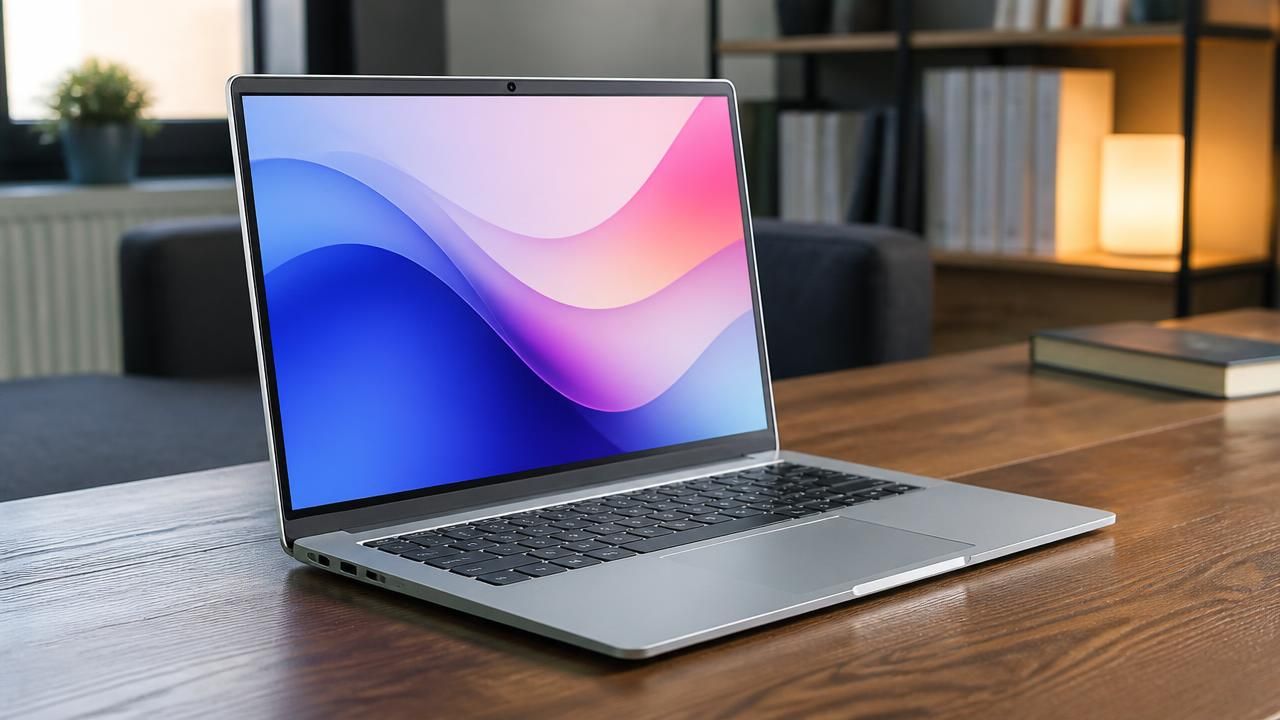
Chinese budget device maker Chuwi has officially launched the Unibook, a 14-inch laptop priced at just $449, powered by Intel's brand-new Core 3 304 processor (codenamed Wildcat Lake). The laptop is already being compared to Apple's MacBook Air, with Ars Technica dubbing it a “funhouse-mirror MacBook Neo” in a recent review. But with such an aggressive price tag from a relatively unknown brand, many are asking: is this too good to be true?
The Unibook is not just another cheap laptop. It leverages Intel's Wildcat Lake platform, which was specifically designed to bring modern architecture and manufacturing processes to the budget segment. Unlike previous budget chips that were often re-labeled older silicon, Wildcat Lake uses the same building blocks as this year's high-end processors, offering surprisingly competent performance for everyday tasks. The laptop features a 14-inch display, and notably, an upgradeable SSD—something increasingly rare in ultraportables.
A Serious Contender in the Budget Laptop Arena
Ars Technica's review highlights that the Unibook could have “caused a substantial realignment of the lowish-end laptop business” had it arrived earlier. The publication praises the keyboard, screen, and build quality for the price, while acknowledging that it does have shortcomings compared to a MacBook Air. “The point of the Neo is that it eschews frills and frippery in favor of nailing the basics,” the review notes, emphasizing the laptop's focus on core essentials.
Interestingly, Intel's decision to create a genuinely new budget processor has spurred established PC makers like Dell, Acer, Asus, and Lenovo to respond with their own Wildcat Lake machines. However, many of these competing devices start at $699—$250 more than the Unibook—and still don't match its barebones specifications. Dell's XPS 13, for instance, is $599 only for students and $699 for everyone else. Acer's Swift Air 14 was announced at $699 as well.
What the Unibook Offers
- Processor: Intel Core 3 304 (Wildcat Lake), a modern low-power chip with current-gen architecture.
- Display: 14-inch panel, likely 1080p or better, though exact specs vary by region.
- Storage: Upgradeable SSD, a rare feature in this price bracket.
- Price: $449 at launch, making it one of the most affordable laptops with a fresh Intel processor.
Gizmochina's coverage focuses on these specs, calling the launch a “new laptop with Intel Core 3 304, 14-inch display & upgradeable SSD.” Digital Trends' headline goes further, suggesting the Unibook is “chasing the MacBook Neo's crown with substance.”
Different Perspectives: Hype vs. Skepticism
The media reaction has been decidedly mixed. Ars Technica offers a cautiously positive review, framing the Unibook as a budget champion that could pressure rivals if they don't step up. The Verge, on the other hand, poses the question: “Is this $450 laptop from an unknown brand too good to be true?” That skepticism is echoed by the fact that Chuwi is still a niche player, often associated with inexpensive tablets and accessories rather than premium computing.
Chuwi itself has not been shy about targeting Apple's iconic machine. The nickname “MacBook Neo” appears to have been coined by reviewers, but it's a clear reference to the laptop's thin-and-light design and aluminum-like aesthetics. Yet, as Ars Technica points out, the Unibook is not trying to be a MacBook Air killer; it's simply trying to nail the basics at a price most people can afford.
Intel's Role in Democratizing Performance
Behind the Unibook is a broader industry shift. Intel's Wildcat Lake represents a departure from its usual practice of repurposing old processors for budget laptops. By bringing the same manufacturing processes and architectural improvements to low-cost chips, Intel is enabling a new class of affordable machines that don't feel outdated at launch. This has ripple effects across the entire market, forcing even established brands to reconsider their pricing strategies.
“In another time, the MacBook Neo could have caused a substantial realignment of the lowish-end laptop business,” Ars Technica writes. That time may be now, as the Unibook arrives alongside a wave of Wildcat Lake competitors—but none at its price point.
The Verdict: Who Should Buy It?
The Unibook is clearly aimed at students, budget-conscious professionals, and anyone who needs a reliable laptop for web browsing, document editing, and streaming without breaking the bank. Its upgradeable SSD is a nod to users who want to future-proof their investment.
However, buying from a brand like Chuwi involves trade-offs. Support and warranty services may be limited outside of China, and long-term reliability is still an open question. The Verge's skepticism is justified: unknown brands often cut corners on battery life, trackpad quality, or software optimization. But if the Unibook delivers on its promises, it could force mainstream PC makers to match its value.
For now, the Unibook stands as a fascinating experiment in what happens when a no-name brand marries cutting-edge Intel silicon with aggressive pricing. Whether it will truly challenge Apple's dominance remains to be seen, but it has already ignited a conversation about what a “good enough” laptop should cost in 2025.