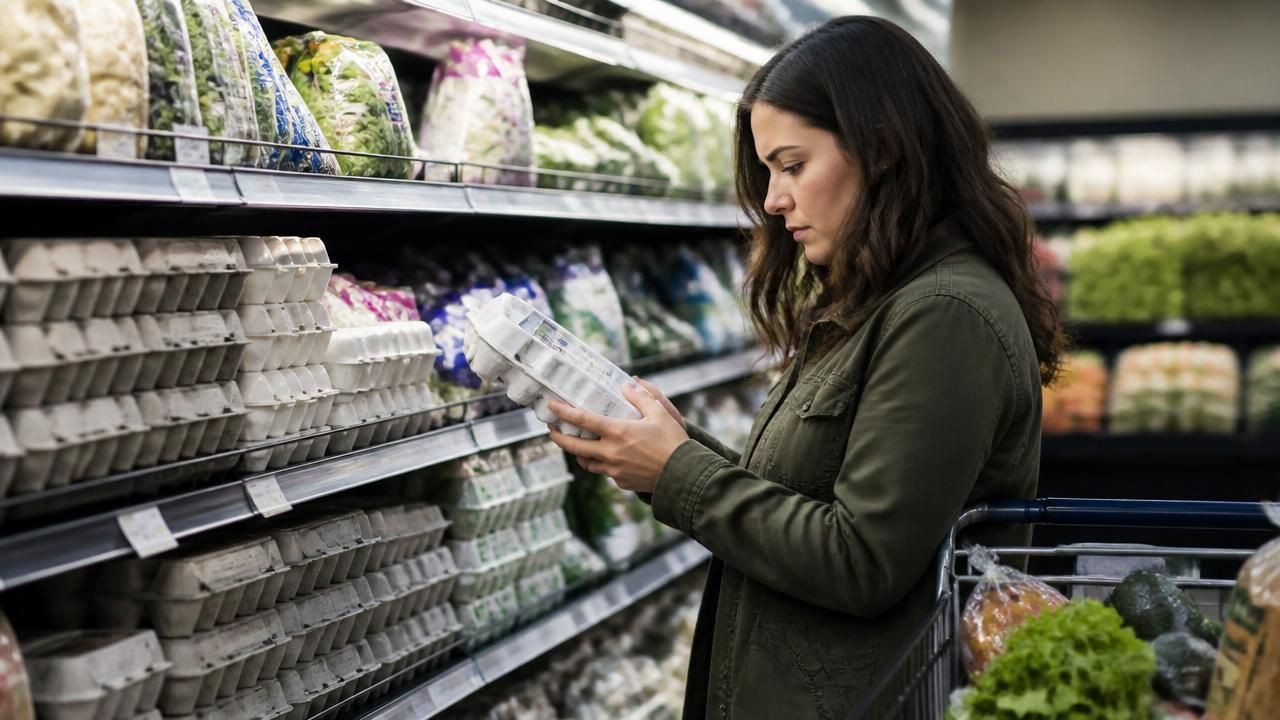
If it feels like every week brings another food recall, you're not imagining things. In just the last few months, the FDA recalled over one million eggs contaminated with salmonella, Taylor Farms pulled dozens of products containing jalapeños after its supplier Coast Citrus Distributors issued a pepper recall, and romaine lettuce was linked to a massive cyclospora outbreak. Meanwhile, a waffle recall tied to listeria sent consumers scrambling. The sheer volume has prompted a simple but urgent question: Is the food supply becoming less safe?
The answer, according to food safety experts, is far more nuanced than a simple yes or no. While the number of recalls has indeed climbed—data from Yahoo News shows recalls have surged past 57 million units this year—the reasons range from improved surveillance to a fragile, globalized supply chain. As USA Today reported, recalls have risen 10 percent since 2013, yet foodborne illnesses still kill an estimated 3,000 Americans annually. The increase in alerts, some argue, may actually be a sign that the system is catching problems earlier than ever before.
A Surge in Recalls, or a Surge in Detection?
The statistics are striking. According to Forbes, food recall announcements have been climbing steadily for years. In 2026, the wave has felt relentless, with outbreaks linked to salmonella, listeria, and cyclospora dominating headlines. The Verge detailed a particularly alarming sequence: the Taylor Farms lettuce recall, followed by egg recalls from Midwest Poultry Services, and then more Taylor Farms products due to pepper contamination. Food & Wine reported that the number of illnesses and deaths from contaminated food increased last year, contradicting the notion that the system is simply catching more problems.
So what's driving the uptick? Experts point to a combination of factors.
"We're using whole-genome sequencing and other advanced tools to detect outbreaks faster and trace them to their source," said one FDA official interviewed by People magazine. "This means we're recalling products that might have gone unnoticed a decade ago."This technological leap is a centerpiece of the Food Safety Modernization Act (FSMA), which, as IBM's explainer notes, shifted the FDA's focus from responding to contamination to preventing it. The FSMA, passed in 2011, mandates stricter preventive controls and improved traceability, a framework that has led to more frequent—and often more visible—recalls.
The Supply Chain Factor
But technology alone doesn't explain the spike. Fast Company offered four reasons for the preponderance of salmonella outbreaks, including the consolidation of food production and the growing reliance on imported ingredients. A single contaminated batch at a massive processing plant can now affect thousands of products across multiple states. "The supply chain is incredibly complex," explained a food safety consultant in Good Housekeeping. "A bag of salad might contain greens from three different farms, so when one farm is contaminated, the recall expands exponentially."
COVID-19 also played a surprising role, according to MDLinx. The pandemic disrupted labor and supply chains, leading to deferred maintenance and lapses in hygiene protocols. As one analysis noted, there was a notable rise in foreign object contamination—plastic, metal, and other debris—which suggests stress on processing equipment. These issues have compounded to create a perfect storm for recalls.
The Regulatory Debate: Working or Not?
Not everyone agrees on what the rise in recalls means. NewsNationNow posed the question directly: are these recalls evidence that regulation is working, or that it's failing? On one hand, mandatory reporting and stricter oversight have forced companies to pull products off shelves faster. On the other hand, critics like The New Republic argue that food safety has gotten worse under certain administrations, citing weakened enforcement and underfunded agencies. The truth likely sits somewhere in between.
Patch offered a contrarian view—dubbing it "Listeria Hysteria"—pointing out that while recalls have grown, the number of people actually sickened by listeria has declined. This suggests that recalls are being issued at lower thresholds, pulling products that might have only a theoretical risk. Mary Elizabeth Burrows, a food safety researcher quoted by Verywell Health, notes that "the scientific threshold for what triggers a recall is much lower now. We're more cautious, and that's a good thing—but it also creates the appearance of more danger."
Pet Food Recalls: An Overlooked Frontier
The trend isn't limited to human food. Pet food recalls have also made headlines, with the New York Times reporting on a dog food maker that sold product despite failing quality control. Catster and Dogster have published extensive recall histories for popular brands like Hill's Science Diet and Special Kitty, highlighting that contaminated pet food can pose health risks to both animals and humans. The inclusion of pet food in the broader recall ecosystem underscores the interconnectedness of the food supply—and the shared vulnerabilities in production and distribution.
What Should Consumers Do?
Despite the alarming headlines, experts emphasize that the US food supply remains among the safest in the world. USA Today's headline reassured readers: "Feel like there's a food recall every day? That shouldn't stop you from eating." The key is to stay informed. The FDA and USDA maintain regularly updated recall lists, and signing up for alerts can help you act quickly.
- Check your pantry and fridge against recent recall announcements, especially for items like lettuce, eggs, and jalapeños.
- Follow safe food handling practices: cook meats to proper temperatures, wash produce, and prevent cross-contamination.
- If you suspect a foodborne illness, seek medical care and report it to your local health department.
In the end, the wave of recalls is a double-edged sword. It reflects better surveillance and a commitment to public safety—but it also reveals deep-seated fragility in a food system that has become increasingly centralized and globalized. As the FDA and industry continue to adapt, one thing is certain: the conversation around food safety is far from over.