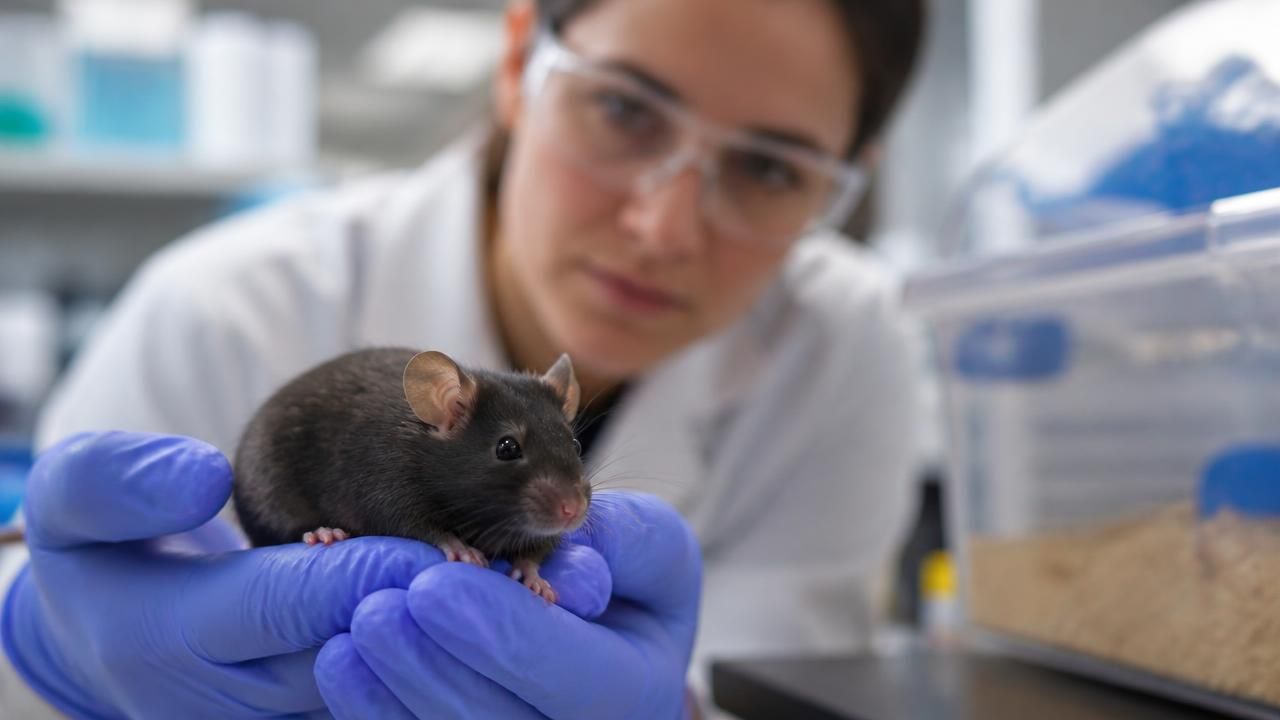
A UC Berkeley-led research team has identified an experimental compound that helps obese mice burn more energy and lose weight without the significant muscle loss that can accompany today’s popular appetite-suppressing obesity drugs, according to reports from ScienceDaily, MSN and Yahoo. The finding, described across several outlets with slightly different emphases, adds to a growing effort to treat obesity by changing how the body uses energy rather than by simply reducing how much food it takes in.
In the mouse experiments, the compound increased energy expenditure by up to 18%, improved blood sugar control, reduced liver fat and promoted weight loss, ScienceDaily reported. Unlike Ozempic and Wegovy—GLP-1 receptor agonists that work largely by suppressing appetite—the experimental molecule did not appear to require the animals to eat less. Yahoo’s headline captured that distinction directly: the drug made obese mice burn fat “without losing muscle—or eating less.”
A different route to weight loss
Most of the current wave of obesity medicines is built around appetite suppression. GLP-1 drugs mimic a gut hormone that signals fullness to the brain and slows digestion, helping people eat less. They have produced striking weight loss in clinical trials and become blockbuster products, but they are not a complete solution. Patients often must stay on the drugs to maintain weight loss, side effects can limit use, and a meaningful share of the weight lost can come from lean mass rather than fat.
The UC Berkeley work, as summarized by ScienceDaily, points to a different strategy: increasing the body’s energy expenditure so that it burns more calories even without a dramatic drop in food intake. In mice, that approach produced weight loss alongside improvements in blood sugar and liver fat—metabolic benefits that matter because obesity is closely tied to type 2 diabetes and fatty liver disease.
The compound boosted energy expenditure by up to 18% in mice, improved blood sugar control, reduced liver fat and produced weight loss without significant muscle loss, according to the UC Berkeley-led research.
Why muscle matters
Muscle preservation has become one of the central concerns in obesity medicine. Lean mass helps regulate blood sugar, supports mobility and contributes to resting energy expenditure. Losing muscle during weight loss can undermine long-term metabolic health, especially in older adults or people with obesity-related conditions. That is why a treatment that preferentially burns fat while sparing muscle is seen as a potential advance, even if the early evidence comes only from animals.
The experimental compound’s apparent ability to avoid significant muscle loss is a key part of its appeal, and it is the thread that runs through coverage from ScienceDaily, MSN and Yahoo. MSN’s headline described the molecule as “this 1970s compound,” a framing that suggests the chemical may have a long history in laboratories even as the new research gives it a fresh metabolic purpose. The reports did not name the compound, and the findings have not yet been shown to translate to humans.
Combination with GLP-1 drugs
One of the most promising aspects of the research is that the compound appeared to work well with existing GLP-1 medications. ScienceDaily reported that combining the experimental molecule with GLP-1 drugs produced greater benefits than either treatment alone. That raises the possibility of future combination therapy: a GLP-1 drug to reduce appetite and an energy-burning compound to improve fat loss and preserve lean mass.
Such a combination could be commercially and clinically attractive. Drugmakers are already investing heavily in next-generation obesity treatments, including pills, longer-acting injections and therapies designed to preserve muscle. If the UC Berkeley findings hold up, they could open a new front in that competition—one focused on energy expenditure rather than appetite alone.
Different outlets, different emphasis
The coverage illustrates how the same scientific result can be framed in different ways. ScienceDaily emphasized the mechanism and the metabolic data: the 18% increase in energy expenditure, better blood sugar control, lower liver fat and weight loss without significant muscle loss. MSN leaned into the compound’s historical framing, calling it a 1970s compound and highlighting the fat-burning, muscle-sparing angle. Yahoo stressed the behavioral difference—that the drug worked without the mice eating less—which underscores how it differs from Ozempic and Wegovy.
Those emphases are complementary rather than contradictory. Together they point to a single story: an old or experimental molecule, tested in mice, that may offer a new way to treat obesity by altering metabolism rather than appetite.
Caveats and next steps
The usual caveats apply. Mouse studies are essential for early discovery, but they frequently fail to predict human results. The compound’s safety, tolerability and effectiveness in people remain unknown. Researchers will need to determine whether the energy expenditure seen in mice can be reproduced in humans without dangerous side effects, and whether the muscle-sparing effect persists over longer periods and across different populations.
Still, the findings add to a broader shift in obesity science. For years, the field focused heavily on appetite and willpower; today it is increasingly exploring the biology of energy balance, fat storage and muscle preservation. The UC Berkeley compound, if it advances, would represent another step in that evolution—a potential treatment that helps the body burn fat more efficiently while holding on to the lean tissue that keeps metabolism healthy.
For now, the research is a promising signal from the laboratory, not a proven therapy. But the combination of weight loss, improved blood sugar, reduced liver fat and muscle preservation in mice is enough to make the compound a candidate worth watching as scientists search for obesity treatments that go beyond appetite suppression.