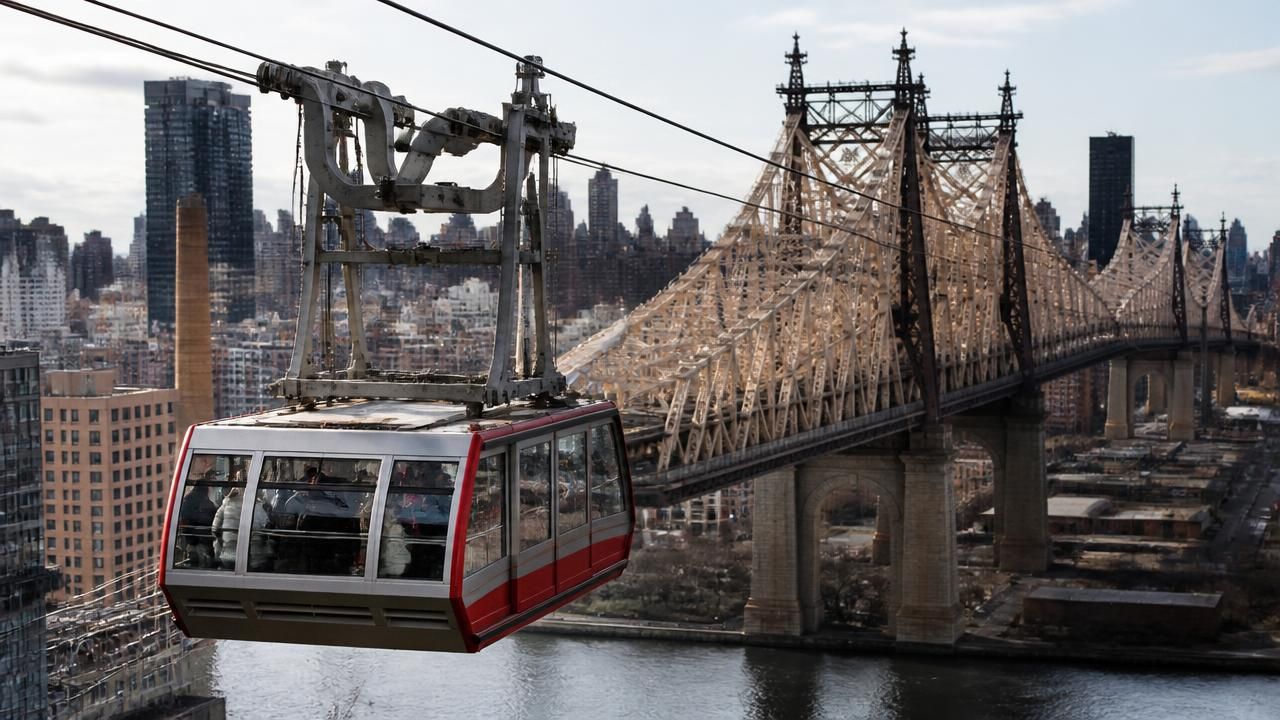
On a recent episode of Bloomberg's Everybody's Business, hosts Stacey Vanek Smith and Allison Schrager took listeners on a ride aboard the Roosevelt Island Tram, a rickety cable car that has become an unlikely symbol of economic distress. The tram was born out of the 1970s stagflation era, when New York City, walloped by runaway inflation and a fiscal crisis, could no longer borrow money to build a subway extension. Instead, the city resorted to a temporary gondola—which, famously, never got replaced. Now, with the global economy facing its own cocktail of rising prices, sluggish growth, and geopolitical shocks, the podcast asks a question on every economist's mind: Are we headed for another period of stagflation?
What Is Stagflation?
Stagflation is the uncomfortable combination of economic stagnation and persistent inflation. It defies the traditional Phillips curve, which suggests that inflation and unemployment move in opposite directions. During the 1970s, oil shocks and misguided monetary policy sent prices soaring while growth flatlined, leaving policymakers with few good options. The Roosevelt Island Tram, as the episode notes, is a monument to that era—a time when New York "ran out of money and couldn't borrow any more." The anecdote underscores how stagflation can hollow out public finances, forcing stopgap measures that linger for decades.
The Podcast's Core Question
Vanek Smith and Schrager dissect the current macroeconomic landscape, pointing to striking parallels with the 1970s: supply chain disruptions, war in Ukraine, surging energy costs, and central banks scrambling to tighten policy without triggering recessions. The hosts explore whether today's inflation is truly transitory or a structural shift, and whether the Federal Reserve and its global counterparts can achieve a so-called soft landing—or whether they'll repeat the mistakes of the Arthur Burns era at the Fed, which kept rates too low for too long.
"The Roosevelt Island Tram is a monument to the 1970s stagflation era when New York City ran out of money and couldn't borrow any more to build a subway between Manhattan and the island in the East River." — Bloomberg's Everybody's Business
Europe's Energy Crossroads
While the podcast is anchored in U.S. economic policy, Bloomberg's broader coverage—including a dedicated Europe feed and energy sector analysis—reveals how dramatically the calculus differs across the Atlantic. European nations are facing a severe energy crisis as Russia throttles natural gas supplies, sending electricity prices to record highs. In the euro zone, inflation has already hit double digits, while the European Central Bank is forced into rate hikes despite a looming recession. As one Bloomberg Europe headline suggests, the region's growth outlook is increasingly dark, with Germany—the continent's industrial engine—teetering on the brink of contraction.
The energy sector is both a cause and a casualty of stagflation fears. Oil and gas price spikes are fueling inflation, but energy companies are reaping windfall profits. In the United States, gasoline prices and home heating costs have become political flashpoints. The Bloomberg energy sector performance tracker shows that while energy stocks have outperformed the broader market, the underlying volatility is a symptom of persistent supply-demand imbalances—nothing like the stable, growth-friendly energy landscape of the 1990s or 2000s.
Are We Headed Toward Stagflation Again?
The central debate, as framed by the podcast, is whether the current episode is a repeat of the 1970s or a distinct phenomenon. Here are key factors analysts are watching:
- Supply shocks: Today's inflation is driven heavily by energy, food, and imported goods shortages—strikingly similar to the oil embargoes of the 1970s.
- Monetary policy: The Fed has been raising rates aggressively, but a tightening cycle that is too steep could crush growth without taming inflation.
- Fiscal position: Governments are far more indebted now than in the 1970s, making it harder to spend their way out of a slump.
- Globalization vs. fragmentation: The post-Cold War era of cheap imports is now reversing, with tariffs, reshoring, and geopolitical rivalry adding to cost pressures.
- Climate transition: The shift away from fossil fuels is creating new supply bottlenecks, particularly in critical minerals and electricity infrastructure.
Not everyone is a stagflationist, though. Some economists argue that today's inflation expectations remain well anchored, and that the post-pandemic labor market is historically strong, with wages rising—something that could support growth rather than stifle it. Others point out that the 1970s stagflation required a decade of policy missteps; today's central banks are far more vigilant, having learned the painful lessons of the Volcker era.
Implications for Investors and Policymakers
The stakes are enormous. If stagflation takes hold, the traditional 60/40 stock-and-bond portfolio would suffer again, as it did in 2022. Real assets, commodities, and inflation-linked bonds would likely be the only safe havens. For policymakers, the podcast serves as a cautionary tale: the Roosevelt Island Tram stands as proof that quick fixes in times of crisis can become permanent monuments to failure. The only way to avoid a similar legacy, the hosts suggest, is to confront the underlying structural weaknesses—energy dependence, productive capacity, and fiscal sustainability—before it's too late.
As the world watches the Federal Reserve's next moves, the Everybody's Business episode offers a timely and accessible primer on a term that once seemed consigned to history. Whether we actually descend into stagflation is unclear, but the very fact that we're asking the question is itself a sign of how much the economic landscape has shifted. And if we are headed there, we may one day look back on Bloomberg's tram ride as the moment we were first warned.