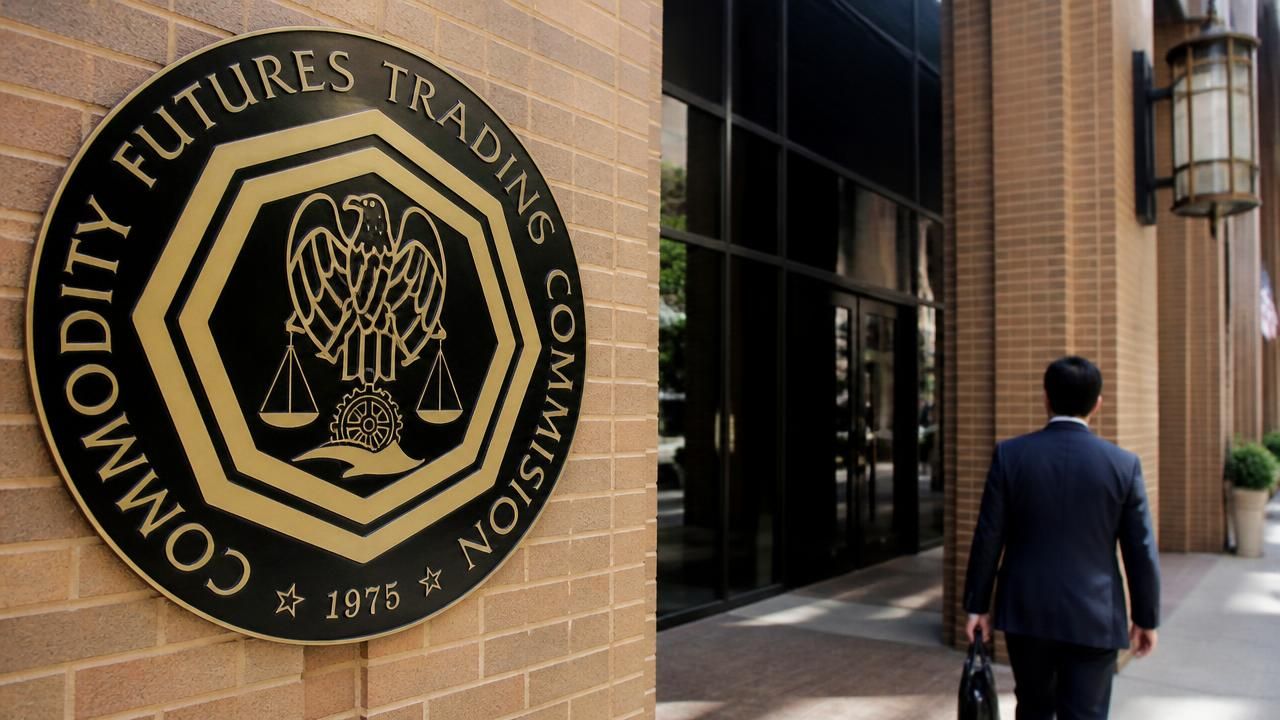
The U.S. Commodity Futures Trading Commission unveiled a proposal Monday to bring leveraged cryptocurrency trading under federal oversight, a move that leans on the agency's existing authority after comprehensive crypto market-structure legislation stalled in Congress last month. The proposal would require crypto exchanges offering leveraged products to register with the agency, marking one of the most significant expansions of federal crypto regulation attempted through rulemaking rather than statute.
The plan lands at a pivotal moment for U.S. digital-asset policy: lawmakers have repeatedly failed to pass a framework defining which agency oversees which parts of the crypto market, leaving regulators to fill the vacuum through their own rulebooks.
What the CFTC Is Proposing
At its core, the proposal establishes a registration regime for platforms that offer retail customers leveraged exposure to digital assets. Leverage — borrowing to amplify a trading position — sits squarely within the CFTC's traditional remit over derivatives and margin trading, giving the agency a legal foothold that pure spot-market oversight lacks.
Notably, the framework expressly excludes spot trading. That carve-out is likely to frustrate parts of the industry that have pushed for a single, comprehensive federal regime covering both spot and derivative crypto markets. The agency also framed the proposal as a request for public input, signaling that the final rules could shift substantially before adoption.
Why Now: The CLARITY Act Collapse
The timing is no accident. The proposal follows the failure of the CLARITY Act, a market-structure bill that would have drawn clearer jurisdictional lines between the CFTC and the Securities and Exchange Commission. When the legislation was blocked, CFTC leadership signaled it would act unilaterally rather than wait.
The agency is drawing on its existing authority to regulate digital asset transactions and markets, moving forward after market-structure legislation was blocked.
In that sense, the CFTC is now running parallel to the SEC, which has pursued its own crypto rulemaking and enforcement agenda. Crypto-focused outlets framed Monday's announcement as the CFTC formally "joining" the SEC's rule push — a notable shift for an agency that has historically positioned itself as the more crypto-friendly of the two regulators.
Lessons From FTX's $8 Billion Fraud
Perhaps the most consequential subtext is FTX. The collapse of the exchange, which prosecutors and bankruptcy investigators tied to roughly $8 billion in missing customer funds, exposed how unregulated leverage and commingled customer assets could devastate retail investors. Analysts close to the rulemaking describe the proposal as an attempt to codify safeguards — registration, disclosure, and capital and segregation requirements — that might have constrained FTX's conduct.
The emphasis on leveraged products specifically reflects a lesson regulators have drawn repeatedly since 2022: retail losses cluster in high-leverage trading, where unsophisticated customers can be wiped out by modest price swings.
Market and Industry Reaction
Markets responded positively. Coinbase shares rose on the news, as investors interpreted a clearer federal framework — even one built through agency rulemaking — as preferable to the status quo of enforcement-driven uncertainty.
- Exchanges: Platforms offering leverage would face registration and compliance costs, but gain legal certainty.
- Spot venues: Unaffected by this proposal, leaving the largest segment of crypto trading still in regulatory limbo.
- Traditional finance: Firms eyeing crypto derivatives have cited the absence of clear rules as a barrier to entry.
The proposal also intersects with adjacent regulatory logjams. Reports indicate Coinbase has been targeting stock futures but has been blocked by a CFTC standstill, while prediction-market operator Kalshi has filed with both the SEC and CFTC to offer perpetual futures tied to individual U.S. equities such as Apple and Nvidia. These filings illustrate how the boundary between crypto derivatives and traditional financial products is blurring — and why the CFTC's rulemaking carries implications well beyond digital assets.
What Happens Next
The proposal must still clear procedural hurdles, including review by the White House's regulatory office, a step that could reshape its scope or delay its implementation. The public comment period will give exchanges, industry groups, and consumer advocates a chance to press their cases.
How the different camps frame Monday's move matters. Bloomberg and financial wires emphasized the registration requirement for leveraged exchanges. CoinTelegraph and crypto-native outlets stressed the sequencing after the failed CLARITY vote. BeInCrypto framed it as FTX-inspired consumer protection. American Banker, meanwhile, emphasized that the agency is still soliciting input — a reminder that this is a proposal, not a finished rule.
What is clear is the broader arc: with Congress deadlocked, U.S. crypto policy is increasingly being written by regulators, agency by agency, rule by rule. The CFTC's proposal is the latest — and potentially most consequential — entry in that improvised rulebook, and it will shape how Americans can legally trade digital assets on margin for years to come.