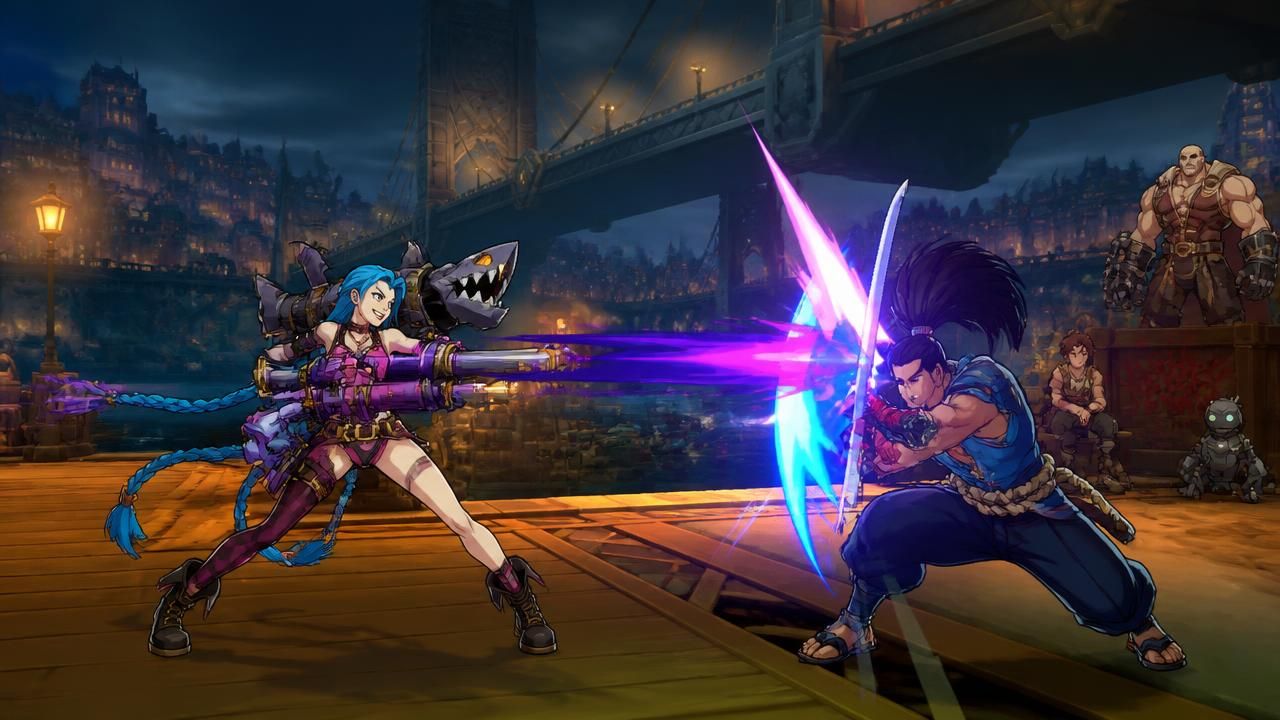
Riot Games has announced that it will cease active development on 2XKO, its free-to-play League of Legends fighting game, by the end of 2026. The decision, confirmed in a statement to The Verge and echoed across multiple outlets, marks a swift reversal for a title that only entered early access in October 2025 and launched on consoles in January 2026. While the servers will remain online indefinitely, the game will no longer receive new characters, balance patches, or seasonal content.
A Short but Turbulent Life
2XKO was positioned as Riot's ambitious entry into the fighting game genre, leveraging the massive League of Legends intellectual property. The game launched as a free-to-play title with a live-service model, aiming to attract both traditional fighting game fans and the broader League community. Early access on PC was followed by PlayStation 5 and Xbox Series X|S releases in January, but momentum quickly stalled.
Just weeks after the console launch, Riot began cutting staff from the 2XKO team, signaling trouble behind the scenes. Now, the company has confirmed that “active development will conclude at the end of 2026.” In a statement, Riot explained the decision:
“We haven’t seen enough players stick with the game to get to a path toward sustainability.”
The phrasing is telling. It suggests the game failed to maintain a healthy player base—a death knell for any live-service title, but especially one that relies on ongoing engagement and monetization. Riot did not disclose specific player numbers, but the lack of retention was evidently severe enough to pull the plug.
What Happens Now?
For the players who remain, Riot is softening the landing. All playable characters will be unlocked for everyone, and any money spent on the game—whether on champions, skins, or battle passes—will be refunded. The servers will stay online “beyond 2026,” so existing players can still jump into matches, but the game will be frozen in its current state. No more balance updates, no new fighters, and no esports ambitions.
This approach mirrors what other live-service games have done when winding down: remove monetization, grant access to premium content, and let the community play until it fades naturally. Riot has not announced a specific server shutdown date, but the language suggests a slow, quiet sunset rather than an abrupt kill.
Why Did 2XKO Fail?
The fighting game genre is notoriously difficult to sustain as a live service. Unlike battle royales or MOBAs, which can retain players for years, fighting games often see a sharp drop-off after the initial launch period. 2XKO faced an additional challenge: it launched in a crowded field. With established titles like Street Fighter 6, Tekken 8, and Guilty Gear Strive dominating the competitive scene, and with the genre's core audience being notoriously loyal to a few key franchises, 2XKO had an uphill battle from the start.
Critics also pointed to the game's tag-based mechanics, which, while innovative, created a high skill ceiling that may have alienated casual players. The free-to-play model, with its rotating character roster and progression systems, was another potential friction point. In a genre where players often want to practice a single main character for months, gating content behind a live-service structure can feel punitive.
Framing the Story: Different Outlets, Different Angles
The coverage of 2XKO's demise shows how different publications frame the same news:
- The Verge focused on the corporate decision and the 'path to sustainability' language, framing it as a business failure.
- Push Square titled its piece “PS5 Fighting Game 2XKO Throws in the Towel, Just Can't Get Enough Players,” emphasizing the player retention issue from a console perspective.
- PlayFront described it as “the live service dream comes to an end,” a broader commentary on the fragility of live-service games.
- The Outerhaven called it “Pulling the Plug,” a more dramatic take on the announcement.
These varying framings illustrate that 2XKO's failure is not just a single game's story, but a cautionary tale for the entire industry's obsession with live-service models.
Implications for Riot and the Genre
For Riot Games, this is a rare public misstep. The company has a track record of turning League of Legends spin-offs into long-term successes, such as Teamfight Tactics and Valorant. But 2XKO's rapid decline suggests that the fighting game audience is far more niche than Riot anticipated. The studio will likely absorb the lessons learned, but the failure could make it more hesitant to experiment with non-core genres.
For the fighting game community, 2XKO's shutdown is a reminder that even a beloved IP and substantial developer backing cannot guarantee success. The genre thrives on dedicated local scenes, precise mechanical balance, and a sense of legacy—elements that are often at odds with the seasonal, content-churn model of live-service games.
Players who invested time and money into 2XKO will now be left with a playable but abandoned game. Riot's decision to refund purchases is a positive step, but it does little to soften the disappointment for those who hoped to see the game grow. As the live-service era matures, stories like 2XKO are becoming increasingly common—a reminder that not every game can be a forever game.