When astronauts return to the Moon as part of NASA's Artemis program, they will not be traveling alone. Each human carries trillions of microbial passengers—bacteria, fungi, and other microscopic lifeforms that live on and inside the body. Now, a new study suggests that some of these hardy Earth microbes could survive for decades in the cold, shadowed craters of the Moon's South Pole, a region NASA has targeted for a permanent lunar base.
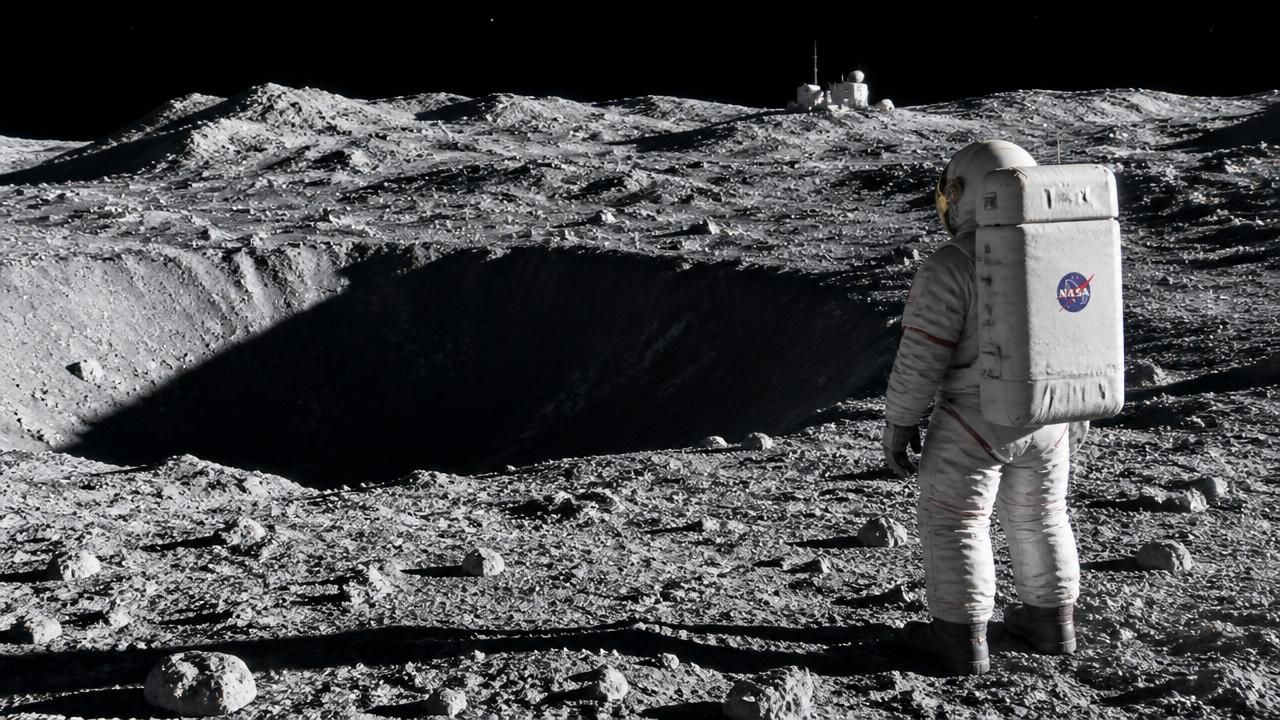
The research, published Aug. 19, 2026, in Science Advances, found that certain bacteria—like E. coli and Bacillus subtilis—could potentially persist in the permanently shadowed regions (PSRs) of the lunar south pole, where temperatures rarely rise above -230°C and sunlight never reaches the crater floors. These are exactly the areas scientists hope to mine for water ice and study for clues to the early solar system.
“Humans are natural explorers, and with them come their voices, their memories … and their microbes,” said Prabal Saxena, a planetary scientist at NASA’s Goddard Space Flight Center and lead author of the study. “For some scientists, myself included, that reality can be unsettling. But it also creates an opportunity to turn an imperfect situation into a useful experiment.”
The invisible hitchhikers
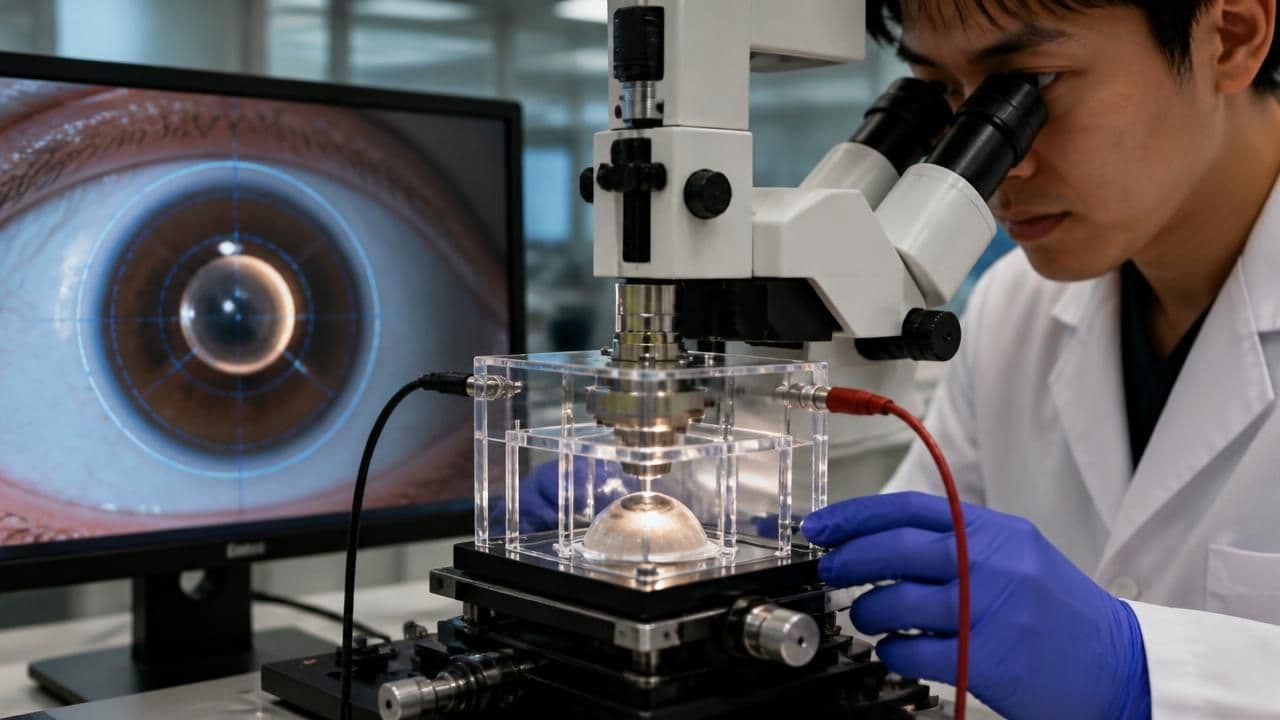
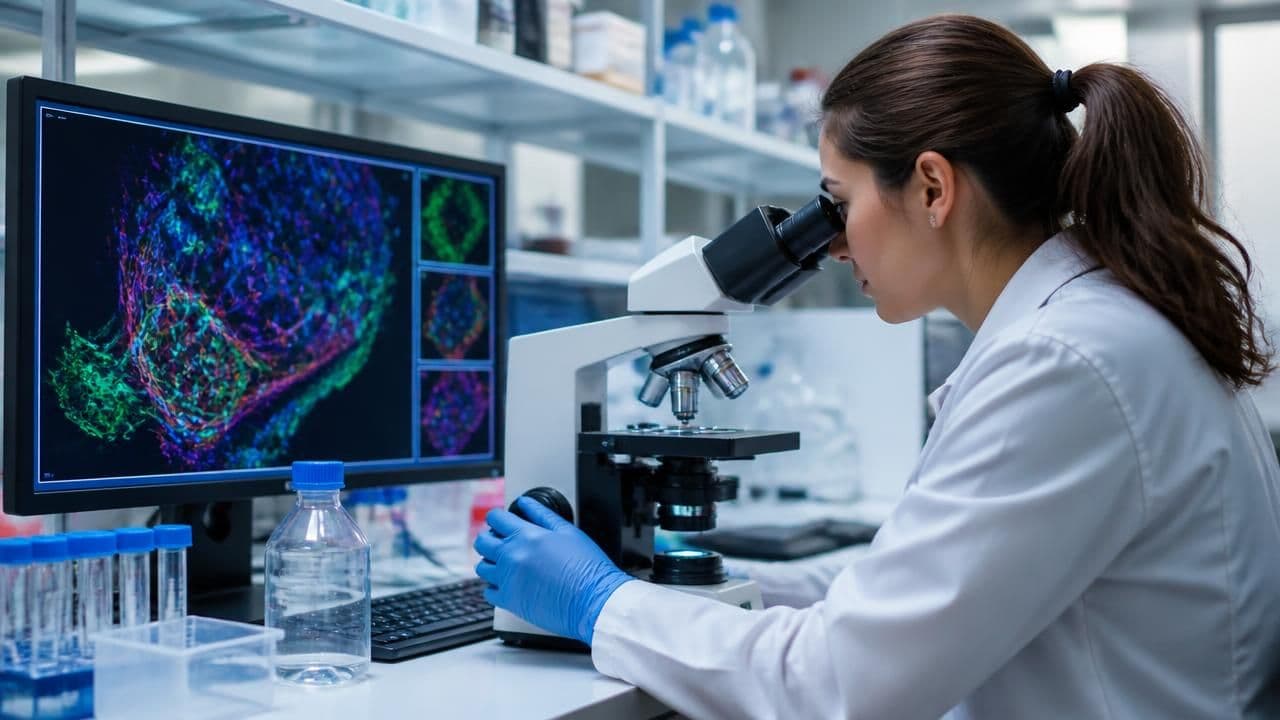
The study is the first to model how long Earth microorganisms could survive in the most extreme lunar environments. Saxena and his team used laboratory data on bacterial resistance to radiation, desiccation, and temperature extremes, then applied those data to the conditions inside PSRs. Their conclusion: some microbes could remain viable for years or even decades, sheltered from the harsh ultraviolet radiation that normally sterilizes the surface.
Previous research presented at the 56th Lunar and Planetary Science Conference by Dr. John Moores of York University reached a similar conclusion. Moores’ team modeled bacterial survival in PSRs and found that Bacillus subtilis could survive for up to 27 million years in the permanently dark, cold regions—though they noted that the UV-exposed surfaces would kill microbes quickly.
“The moon is not the kind of place where you’d expect life to flourish,” Moores said in an interview with Universe Today. “But the permanently shadowed regions are a different story. They’re cold enough to essentially freeze-dry any cells, and if they’re buried just a few centimeters below the regolith, they could be shielded from radiation for a very long time.”
A moon base at the south pole
The timing is critical. NASA has been quietly developing plans for a permanent lunar base—dubbed the “Moon Base”—near the south pole, with as many as 20 or more commercial landers delivering equipment in the coming years. An Austin-based company was recently selected to build a lander for the mission, and NASA is expected to update its vision in the coming months, according to USA Today and ScienceDaily.
The base would rely on a new generation of hardware designed to survive the brutal lunar night, which lasts 14 Earth days and plunges temperatures to -250°F. NASA is testing power systems that use phase-change materials or fuel cells instead of nuclear heaters, as Mashable reported. Astronauts would spend extended periods in the PSRs, venturing into the shadows to harvest water ice—and, inadvertently, leaving behind a trail of shed skin cells, exhaled breath, and microbial spores.
“We need to understand how much life we’re venting into space,” said one NASA engineer in an interview with Mashable. “If we don’t, we’ll go to all this effort to look for indigenous life—or even just pristine lunar chemistry—and find only our own contamination.”
The search for ancient chemistry
Scientists are deeply divided over how to handle the risk of forward contamination. Some argue that the Moon is a dead world and that a few lingering bacteria are unlikely to matter. But others point to the Moon’s polar ice deposits as a precious record of cometary impacts and solar wind chemistry—a record that could be ruined if Earth organisms take root.
“The Moon is a unique scientific laboratory,” said Sandra Meredith, a planetary protection researcher at the University of Edinburgh (not involved in the study). “If we contaminate it, we lose the opportunity to read its original story. And the lessons we learn on the Moon will directly apply to Mars, where the stakes are even higher.”
Indeed, the same microbial resilience is being studied on Mars, where scientists have shown that E. coli and other bacteria can withstand individual martian hazards—like UV radiation, chlorine salts, and low pressure—but not all at once, according to a phys.org report. On Mars, the possibility of encountering actual Martian life makes preservation even more urgent.
Implications for astronaut health
Beyond contamination, the study raises questions about the health of astronauts living in closed habitats for months or years. Human immune systems are known to be suppressed during spaceflight, making astronauts more vulnerable to infections. The closed environment of a lunar base could allow opportunistic pathogens to spread rapidly, as noted by STAT News.
“We can’t just think about rocket thrusters and radiation shielding,” said Dr. Enrico Russo, an immunologist at the University of Genoa. “We need to design lunar habitats with the same attention to microbiology that we give to surgical suites and submarines. That includes air filtration, surface coatings, and protocols for microbial monitoring.”
Researchers at the American Society for Microbiology argue that microbes could actually be harnessed as tools for life support—producing oxygen, food, and wastewater treatment in a lunar base. A Nature study published in npj Microgravity described how “microbial applications” could make sustainable space exploration possible.
A delicate balance
The new findings do not mean the Moon is teeming with life, nor that astronauts will be at immediate risk. Rather, they highlight the need for a robust planetary protection framework that extends to the Moon—a place previously considered “low risk” for contamination.
As NASA prepares to update its moon base plans and send the first Artemis astronauts to the south pole, the agency is wrestling with how to balance exploration and preservation. Should crews be required to avoid certain PSRs? Could robotic missions be sent in advance to sample pristine ice before humans arrive? And how can we distinguish ancient lunar chemistry from the inevitable human blight?
“This study is a wake-up call,” Saxena said. “It tells us that the decisions we make now—where we land, how we operate, what we leave behind—will shape the Moon’s environment for decades, if not centuries. We have a responsibility to be careful.
The Moon, in turn, may serve as a testbed for the greatest scientific question of all: whether life exists beyond Earth. If we can learn to protect the sterile record of the solar system, we might one day recognize alien life when we find it—without needing to apologize for our own fingerprints.