The ongoing war in Iran has sent shockwaves through global markets, with the closure of the Strait of Hormuz disrupting shipments of fertilizer and natural gas—a critical component in fertilizer manufacturing. While initial reports suggest minimal impact on U.S. grocery prices, experts warn of severe consequences for global food security and supply chains.
The Fertilizer Crisis: Causes and Immediate Effects
The conflict has effectively shut down the Strait of Hormuz, a vital chokepoint for oil, gas, and fertilizer exports from the Middle East. According to NPR, the disruption has halted shipments of fertilizer and natural gas, which is essential for producing nitrogen-based fertilizers. This shortage is unlikely to cause major price hikes for U.S. consumers in the short term, but it poses a significant threat to agricultural regions reliant on imports.
However, other sources paint a grimmer picture. The Guardian reports that the Duke of Westminster's agricultural firm has warned of dramatic effects on food prices due to fertilizer shortages, emphasizing the vulnerability of global supply chains to geopolitical shocks. The Eurasia Review analysis highlights that the war's impact extends beyond energy, triggering a cascade of economic disruptions across sectors, including agriculture.
Global Alliances and Critical Supplies Under Strain
GIS Reports notes that the Iran war is squeezing critical supplies and testing global alliances. Countries that depend on Middle Eastern fertilizer exports—such as those in Africa and South Asia—face immediate shortages, potentially leading to reduced crop yields and higher food costs. The conflict has also disrupted trade routes, forcing nations to seek alternative suppliers or invest in domestic production.
The World Economic Forum, in a piece that was access-denied but referenced in other sources, suggests that the crisis should prompt a rethink of fertilizer reliance, advocating for alternatives like biochar. This perspective aligns with calls for sustainable agricultural practices to reduce dependency on volatile global markets.
Impact on Food Prices: Divergent Views
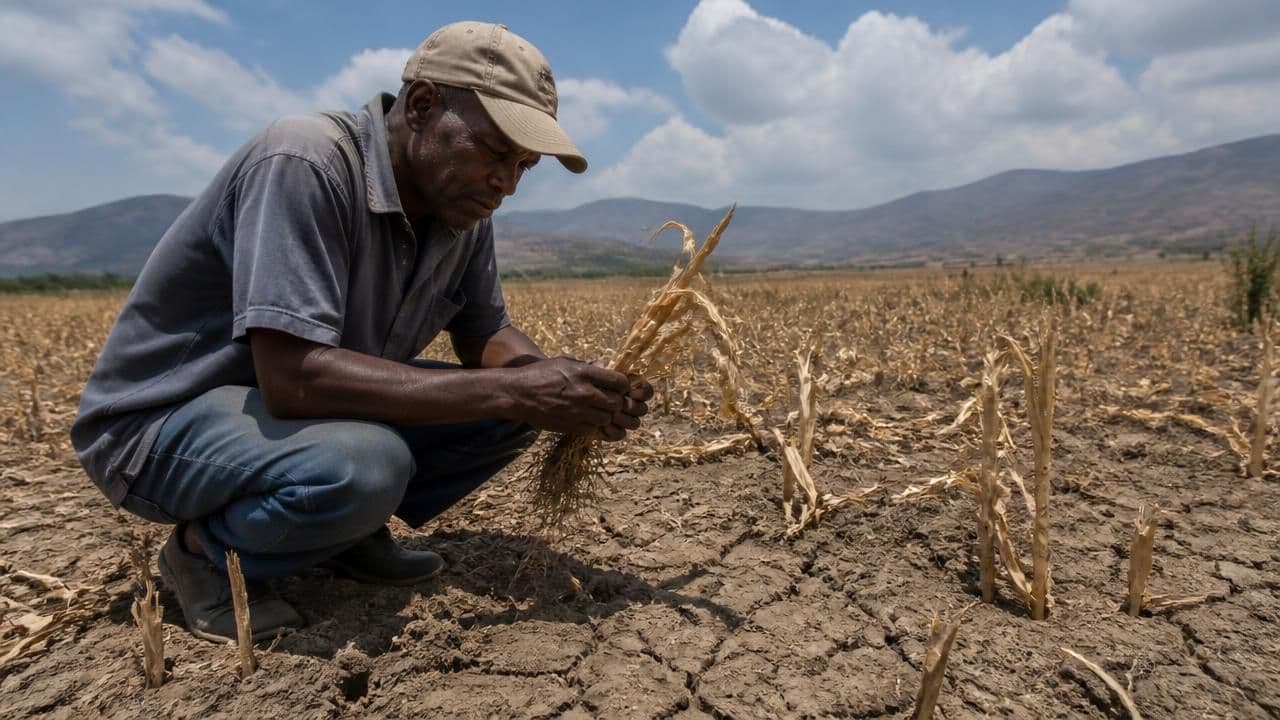
NPR's assessment that U.S. food prices may not spike significantly contrasts with the Duke of Westminster's firm's warning of dramatic global effects. This divergence highlights the uneven impact of the crisis: developed nations with diversified supply chains may weather the storm, while developing countries face acute food insecurity. The Guardian emphasizes that the shortage could exacerbate existing inflationary pressures, particularly for staple crops like wheat and corn.
Historical context is crucial. The 1970s oil crisis demonstrated how energy shocks can ripple through food systems, and the current situation mirrors those dynamics. The Iran war, combined with pre-existing supply chain disruptions from the pandemic and climate change, creates a perfect storm for global agriculture.
Expert Views and Data Points
Agricultural economists point out that fertilizer prices have already surged by over 30% in some regions since the conflict began. The closure of the Strait of Hormuz affects not only finished fertilizer but also natural gas, which accounts for 70-80% of production costs for nitrogen fertilizers. Countries like India, which imports over 50% of its fertilizer from the region, are particularly vulnerable.
Environmental advocates argue that the crisis underscores the need for a transition to sustainable fertilizers. Biochar, made from organic waste, offers a resilient alternative that can improve soil health while reducing dependence on fossil fuels. However, scaling up such solutions requires significant investment and policy support.
Implications for Global Alliances
The war is reshaping geopolitical alliances. The U.S. and its allies are exploring sanctions and alternative supply routes, while China and Russia may leverage the crisis to strengthen ties with affected nations. The long-term implications include potential shifts in trade patterns, with countries investing in domestic fertilizer production or exploring new sources in Africa and Latin America.
Conclusion: A Wake-Up Call
The Iran war's impact on fertilizer supplies is a stark reminder of the fragility of globalized food systems. While the full extent of the crisis remains uncertain, it is clear that the conflict will have lasting effects on food prices, supply chains, and international relations. As the world grapples with these challenges, the need for resilient and sustainable agricultural practices has never been more urgent.
In the words of one analyst, 'This is not just a fertilizer crisis; it's a food crisis in the making.' The coming months will test the ability of nations to adapt and collaborate in the face of unprecedented disruption.