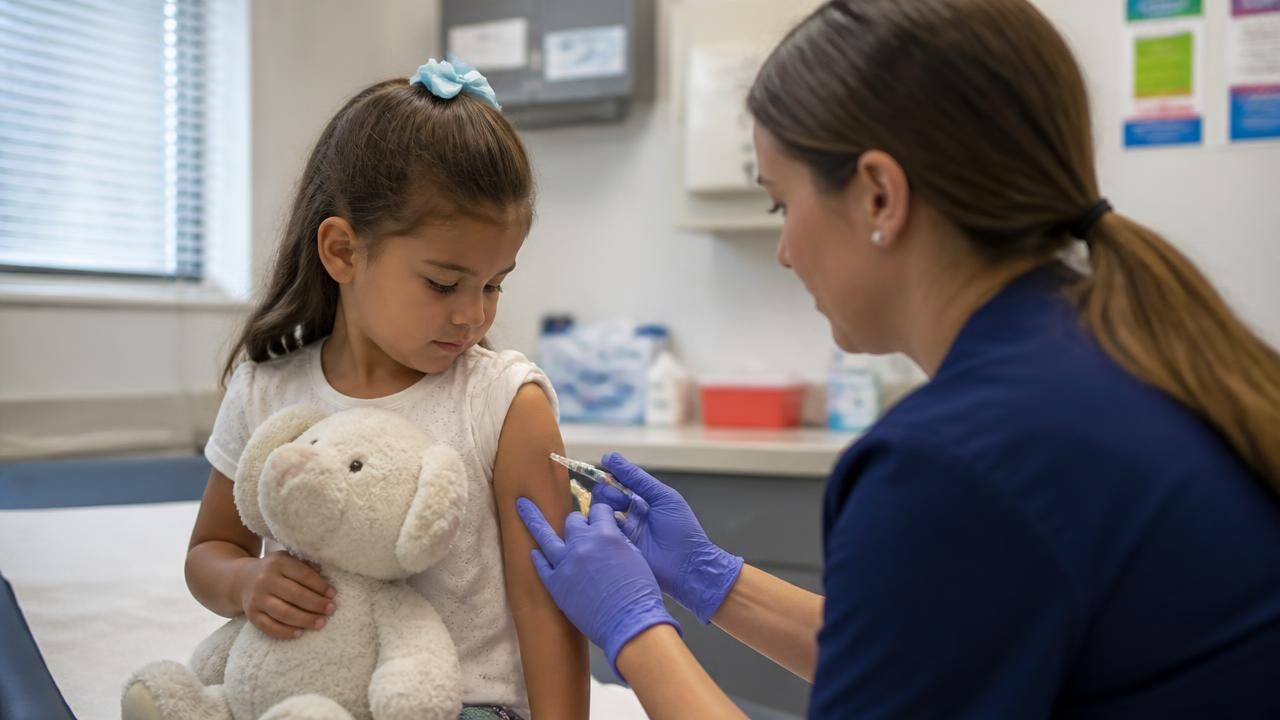
The Centers for Disease Control and Prevention (CDC) released new data on Monday showing that vaccination rates among American kindergarteners slipped once again during the 2025–2026 school year, even as the number of exemptions continued to climb. The findings represent the sixth consecutive year of declining coverage for routine childhood vaccines, pushing the nation further from the 95% immunity threshold needed to prevent community outbreaks of potentially deadly diseases.
A Sixth Year of Decline
According to the CDC's annual report, based on surveys of state and local immunization programs, national coverage for the measles, mumps, and rubella (MMR) vaccine fell to 92.4% of kindergarteners, down from 92.5% the prior year. Coverage with the DTaP vaccine, which protects against diphtheria, tetanus, and acellular pertussis (whooping cough), similarly declined from 92.1% to 92.0%. These are the lowest levels recorded since 2013, when the CDC began tracking kindergarten vaccination coverage in its current format.
The decline is part of a broader downward trend that began in the 2019–2020 school year, when the nation briefly achieved 95% coverage for MMR—the widely accepted threshold for herd immunity. Since then, coverage has eroded incrementally but consistently, driven by a complex mix of vaccine hesitancy, misinformation, and rising exemption rates.
The Numbers
The CDC report highlights the following national coverage estimates for the 2025–2026 school year:
- MMR (measles, mumps, rubella): 92.4%, down from 92.5%.
- DTaP (diphtheria, tetanus, acellular pertussis): 92.0%, down from 92.1%.
- Polio and varicella (chickenpox): Also saw slight declines, though the CDC did not list exact figures in the summary.
At the state level, coverage varies widely, with some states still above 95% and others—particularly in the Mountain West and Pacific Northwest—falling below 90%. These disparities create pockets of susceptibility within otherwise protected communities.
Exemptions: A Growing Factor
The CDC data also showed that the share of kindergarteners with at least one vaccination exemption rose again, reaching a record high nationally. While medical exemptions, which are granted for conditions like severe allergies or compromised immune systems, remained relatively stable, nonmedical exemptions—including religious and philosophical objections—accounted for the vast majority of the increase.
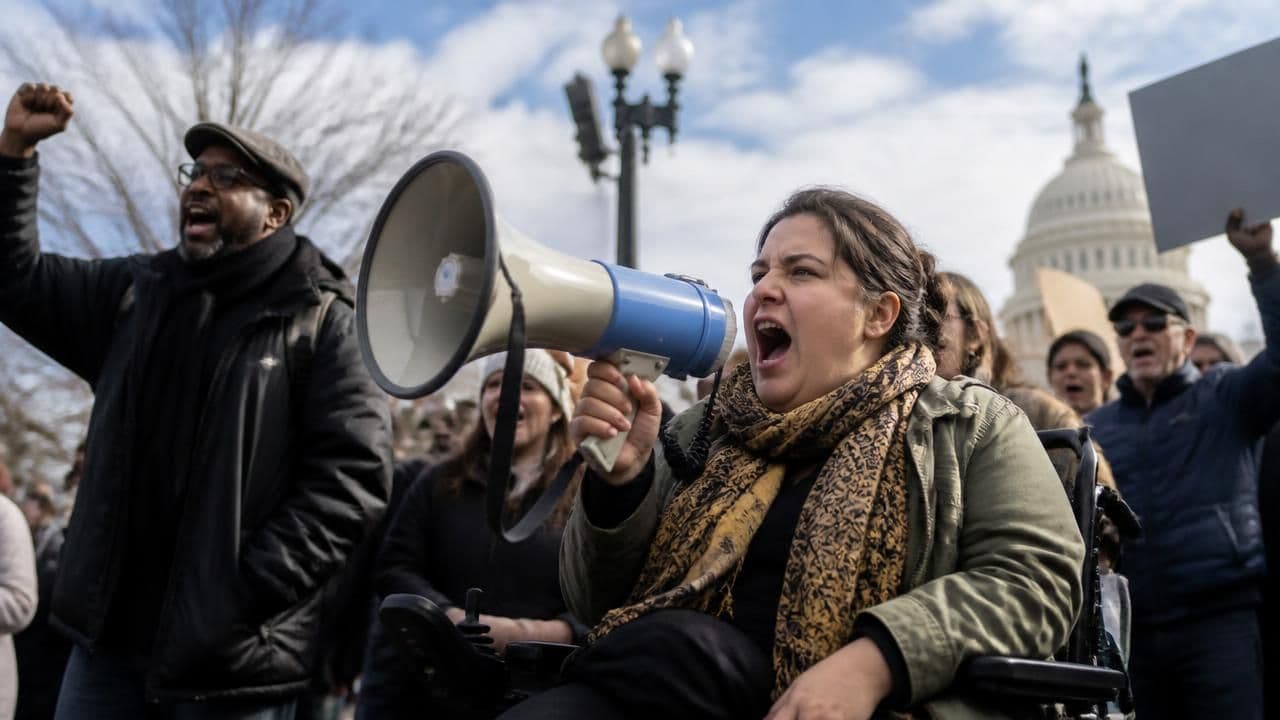
Public health experts attribute the rise in exemptions to a combination of factors, including the lingering effects of pandemic-era distrust in public institutions, the spread of misinformation on social media, and an increasingly politicized public health landscape. In some communities, vaccine mandates have become a flashpoint in broader cultural and political debates.
"We are seeing the consequences of years of disinformation campaigns and a general erosion of confidence in science," says Dr. Sarah Johnson, an epidemiologist at the Johns Hopkins Bloomberg School of Public Health. "When parents hear doubts about vaccine safety—even without evidence—they make decisions based on fear rather than the overwhelming science that shows these vaccines are safe and effective."
Public Health at Risk
The implications of declining coverage extend beyond individual children. Measles, in particular, is one of the most contagious viruses known to humanity; an infected person can spread it to up to 18 susceptible individuals. The herd immunity threshold for measles is estimated at 95%, meaning that when coverage drops below that level, the virus can find unvaccinated people and perpetuate outbreaks.
Since the start of the 2020s, the U.S. has experienced multiple measles outbreaks in unvaccinated communities, including a large meatpacking plant outbreak in Ohio in 2022 and several school-based clusters in 2024. While these outbreaks have so far remained localized, each one poses a risk to vulnerable populations—infants too young to be vaccinated, children with certain medical conditions, and immunocompromised individuals who cannot receive vaccines.
Whooping cough, which can be deadly for infants, is also re-emerging. Cases of pertussis have risen sharply in recent years, and the low DTaP coverage among kindergarteners suggests that the next generation may be exposed to serious respiratory illnesses during their early school years.
Expert Voices
"We are undoing decades of progress in disease prevention," said Dr. Johnson. "Every percentage point decline brings us closer to widespread transmission of vaccine-preventable diseases, and the consequences can be severe, especially for children with compromised immune systems. This is not an abstract issue—it is a clear and present danger to the healthiest generation we had hoped to raise."
Other experts echo that sentiment, calling on policymakers to take action. "The data are a clear warning," says Dr. Paul Offit, a pediatrician and vaccine expert at Children's Hospital of Philadelphia. "If we do not reverse this trend, we will see more recurrent outbreaks of measles, pertussis, and other infections that we had largely eliminated in this country. The cost of inaction will be measured in hospitalizations and even deaths."
Policy Responses and the Road Ahead
The Biden administration has emphasized the importance of vaccination, and the CDC has launched public education campaigns to rebuild trust. However, vaccine policy in the United States is largely determined at the state level. Some states, such as California and New York, have eliminated nonmedical exemptions, while others have made it easier to obtain them. The result is a patchwork of policies that shapes the nation's overall immunity.
In recent legislative sessions, at least a dozen states proposed bills to expand exemptions, citing a parent's right to choose, while an equal number sought to tighten requirements. The political contentiousness surrounding vaccines, which intensified during the COVID-19 pandemic, shows no signs of abating.
For now, public health officials are focusing on education and outreach, particularly in communities with high exemption rates. They also encourage parents to consult trusted health care providers rather than social media influencers when making vaccination decisions.
The CDC report is not all bad news. Vaccination remains high for most children, and the overwhelming majority of kindergarteners are fully vaccinated against major childhood diseases. But the slow erosion, year after year, is a worrying sign that the public health gains of the 20th century cannot be taken for granted. As the 2026–2027 school year begins, health officials will be watching closely to see whether this trend stabilizes or accelerates.
In the meantime, the data serve as a reminder that vaccination is not just a personal choice—it is a communal act of protection. Maintaining high coverage rates requires sustained public trust, sound policy, and a collective commitment to safeguarding the most vulnerable among us.