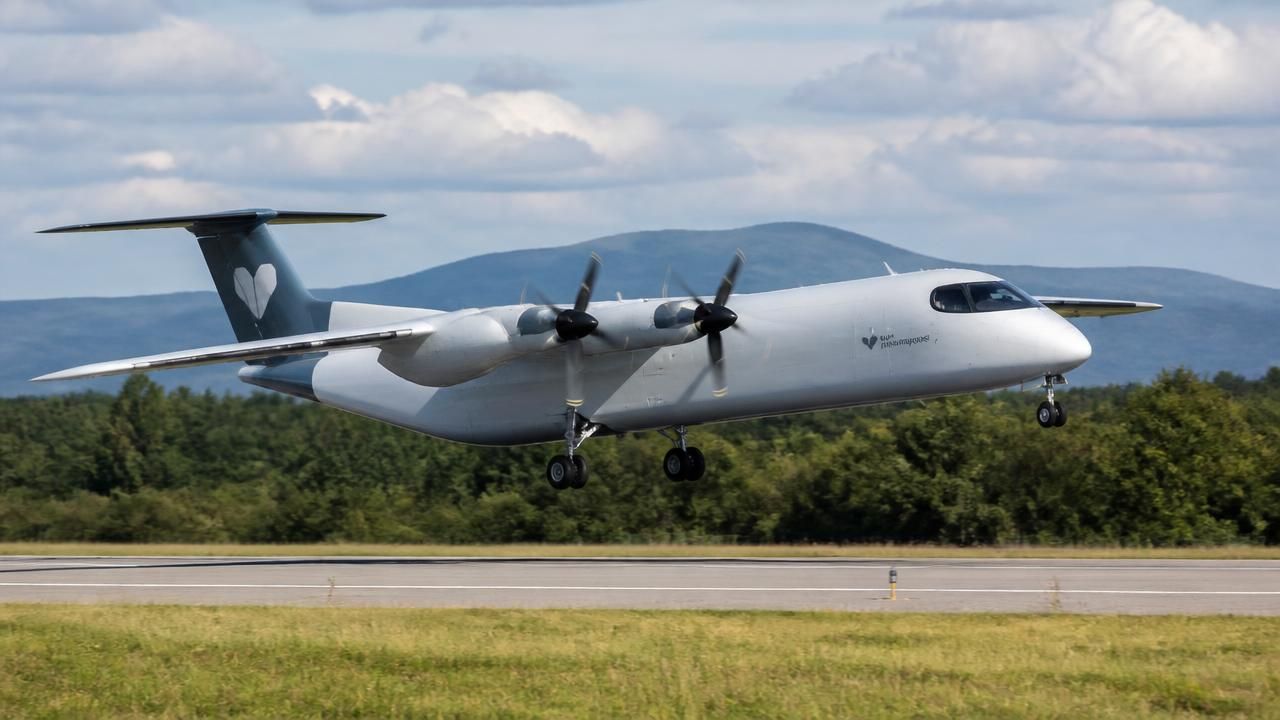
On August 12, Heart Aerospace's X1 demonstrator became the largest battery-electric aircraft to ever take flight, lifting off from Plattsburgh International Airport in upstate New York. The nearly 30-minute maiden voyage consumed only $5 worth of electricity, a striking contrast to the spiraling costs of jet fuel that have plagued the aviation industry amid geopolitical tensions. The flight marks a major step forward for electric aviation and its promise of quieter, cleaner, and more cost-effective air travel.
A Milestone in Electric Aviation
The X1 is a testament to how far electric propulsion has come. Comparable in size to a small regional airliner, the aircraft has a maximum takeoff weight exceeding 25,000 pounds. Four wing-mounted electric motors, powered by a battery-electric propulsion system, delivered more than one megawatt of power during the flight. This puts the X1 in a class of its own—no other electric aircraft of this scale has ever flown.
Heart Aerospace, the Swedish company behind the X1, designed the demonstrator to validate technologies that could eventually power commercial regional flights. The test flight was conducted after receiving clearance from the U.S. Federal Aviation Administration, underscoring the regulatory progress that is gradually clearing the way for electric aircraft in commercial airspace.
Why This Flight Matters
All-electric aircraft offer a path to drastically reduce aviation's carbon footprint. Unlike conventional jets that burn kerosene-based fuel, electric motors produce zero direct emissions. The X1's flight also demonstrates the potential for dramatic cost savings: while a traditional regional jet might burn hundreds of dollars in fuel for a similar flight, the X1 achieved the same feat for a mere $5. As jet fuel prices remain volatile—spiking sharply in recent weeks due to the U.S. conflict with Iran—the economic case for electric propulsion becomes increasingly compelling.
Beyond economics, electric aircraft promise quieter operation, which could help mitigate noise pollution around airports. They also offer a more predictable cost structure for airlines, freeing them from the whims of the global oil market. The success of the X1 is a proof point that these benefits are not theoretical but achievable with today's technology.
Different Lenses, Same Milestone
Coverage of the flight reveals how the story resonates across different audiences. Ars Technica highlighted the $5 electricity cost and tied it directly to geopolitical fuel price shocks, framing the flight as a response to an unstable energy landscape. The Next Web took a transatlantic angle, noting that a European-built plane flew in New York—a reminder that innovation is global and often crosses borders.
InsideEVs focused on the record-breaking nature of the aircraft, emphasizing its size and the sheer power output of over one megawatt. Meanwhile, local outlet Press-Republican stressed the significance of Plattsburgh International Airport as the venue, giving community pride a central role. FlightGlobal, an industry trade publication, zeroed in on the FAA clearance process, underscoring the regulatory hurdles that had to be cleared before the X1 could take off.
These varying perspectives paint a richer picture: the flight is not just a technical achievement, but a symbol of changing economics, international collaboration, local economic development, and the shifting priorities of an industry under pressure to decarbonize.
What Lies Ahead
While the X1 is a demonstrator, not a production aircraft, its success paves the way for Heart Aerospace's planned commercial models, such as the ES-30, a 30-seat regional airliner. The company is among a growing cohort of startups—including Eviation and Wright Electric—racing to bring electric and hybrid-electric aircraft to market. Challenges remain, particularly around battery energy density, charging infrastructure, and certification, but the X1 flight proves that the fundamental concept is sound.
As the aviation industry searches for solutions to its climate impact, the X1 offers a glimpse of a future where short-haul flights could be powered entirely by batteries. With the world's largest electric aircraft now having flown, the question is no longer whether electric flight is possible, but how quickly it can become routine. The $5 price tag of this historic flight may well be remembered as the moment when the economics of aviation began to change forever.