Kalshi, the CFTC-regulated prediction market platform, has suspended its so-called "mention markets" as federal regulators reportedly investigate the legality and implications of allowing wagers on whether public figures will say specific words or phrases. The move comes amid a White House-adjacent controversy that has drawn national attention to the growing intersection of gambling, politics, and public discourse.
The news was first reported by NPR, which noted that "federal regulators are reviewing 'mention markets' that allow wagers on what public figures will say." Commercial outlets, including msn.com, quickly followed with a sharper angle: "Kalshi suspends 'mention markets' as CFTC reportedly investigates prediction market betting on Trump, sports commentators." The differing headlines reflect a broader debate over whether these products represent legitimate forecasting or unregulated speculation on public speech.
What are mention markets?
Mention markets are a recent innovation in the prediction market space. Unlike traditional event contracts that settle on outcomes like election results or interest-rate decisions, mention markets allow users to bet on whether a public figure—such as a politician, journalist, or sports commentator—will say a particular word or phrase during a speech, interview, or broadcast. For example, a user might wager on whether former President Donald Trump will say "fake news" in a rally, or whether a sports commentator will reference a specific statistical metric during a game.
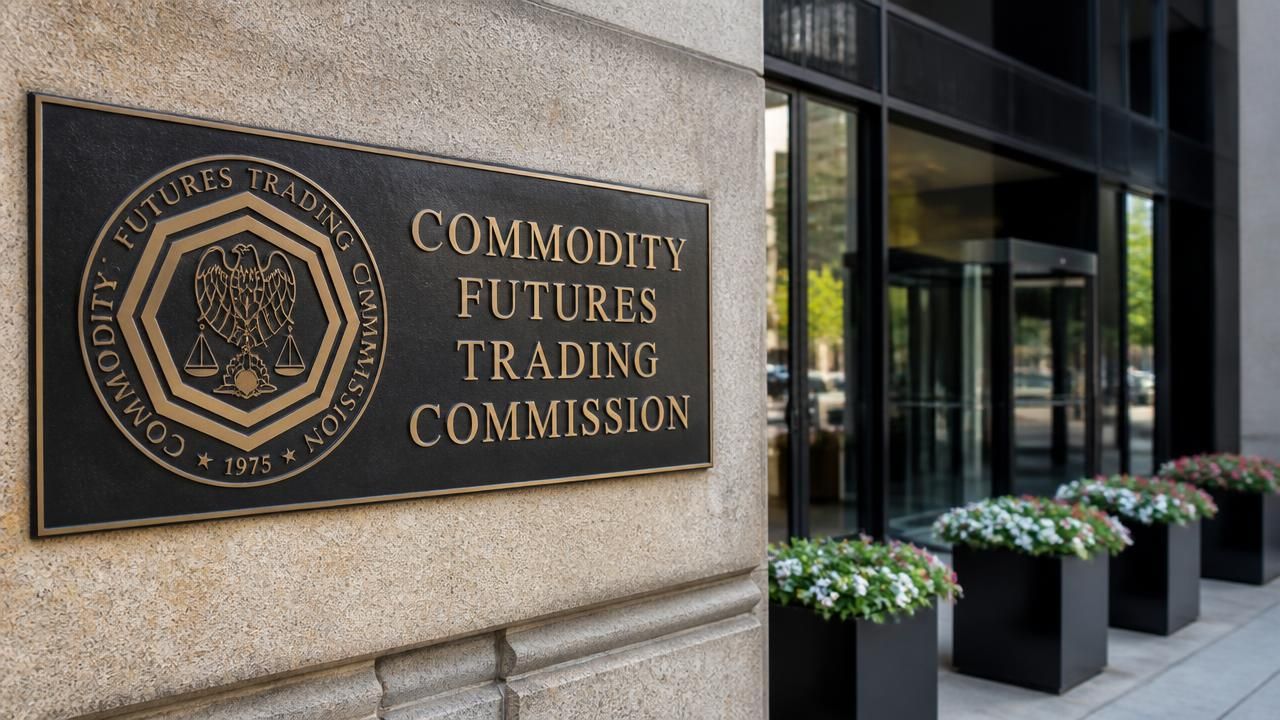
Kalshi, which has positioned itself as the first federally regulated exchange for event contracts, already offers a range of markets on everything from inflation data to movie box office numbers. The mention markets, however, appeared to push the boundaries of what the Commodity Futures Trading Commission (CFTC) is willing to approve. The CFTC has jurisdiction over derivatives contracts, including those traded on prediction platforms, and it has historically taken a cautious approach to novel contracts that could harm market integrity or public interest.
The CFTC investigation and Kalshi's response
According to multiple reports, the CFTC has begun probing whether mention markets violate existing regulations—specifically, whether they constitute "manipulation or distortion" of public discourse. The agency has reportedly raised concerns that traders might attempt to influence what public figures say by placing large bets on certain phrases, creating an incentive for speakers to pander to traders. Additionally, there are questions about whether these markets fall under the CFTC's definition of "commodity" or "event contract" and whether they serve a genuine hedging or price-discovery purpose.
Kalshi appears to have preemptively halted the products. The company confirmed that it suspended mention markets while it engages with the CFTC, stating that it remains committed to compliance and believes in the value of transparent, regulated prediction markets. A company spokesperson said, "We are in dialogue with our regulator and have voluntarily paused these markets to ensure all legal and regulatory questions are addressed."
"Federal regulators are reviewing 'mention markets' that allow wagers on what public figures will say." – NPR
The White House controversy
The investigation has a distinct political dimension, as reports have linked the controversy to the White House. While the specific details remain murky, sources suggest that some mention markets were created around statements by President Trump and other high-profile political figures, drawing scrutiny from both the CFTC and political operatives. The phrase "White House Kalshi controversy" in the nhpr.org headline hints that the issue may have erupted after aides or officials became aware of markets betting on presidential utterances—a situation that raises alarming questions about whether speculation could influence the President's public messaging.
Neither the White House nor CFTC officials have publicly commented on the matter, but legal experts note that the investigation is part of a larger struggle for the future of prediction markets in the United States. The CFTC has been under pressure from Congress and industry advocates to clarify the legality of various event contracts, including those that cover political events. In 2023, the agency approved some election markets, but it has repeatedly rejected others, citing concerns about "gambling" and "public interest."
Expert views and broader implications
Legal scholars are divided on the merits of mention markets. Some argue that they are a natural extension of prediction markets, which aggregate information and provide valuable signals about future events. "If people are willing to put money on whether a leader will say something, that reflects real expectations about their behavior," said one academic who studies market design. "Banning them outright could stifle innovation."
Others warn that these markets could be manipulated with ease. Because speakers are aware of the bets, they might alter their language to trigger or avoid payouts—a dynamic that could corrupt public communication and erode trust in institutions. "When you create a financial incentive for a public figure to say or not say something, you are no longer just predicting behavior—you are creating a mechanism to influence it," said a former CFTC official. "That is dangerous territory."
The case also underscores the challenges of regulating fast-moving digital finance. Kalshi's mention markets were launched only recently, and the platform's prompt suspension suggests that it may have operated in a gray area without full CFTC approval. The investigation will likely clarify whether such markets require pre-approval and what safeguards are necessary to prevent abuse.
Framing the story
The coverage from different outlets illustrates two distinct narratives. NPR's initial report framed the story as a regulatory review, focusing on the CFTC's role in overseeing these new financial products. msn.com, on the other hand, emphasized Kalshi's suspension as a corporate reaction to regulatory pressure, and the headline specifically named Trump and sports commentators, appealing to a more populist curiosity about betting on famous figures. The nhpr.org headline, linking the controversy to the White House, adds a political intrigue angle that may capture readers who are following the intersection of gambling and power.
What is clear is that this story touches on fundamental questions about the limits of markets, the ethics of speculative finance, and the boundary between free speech and commercial influence. As the CFTC continues its inquiry, the ruling could set a precedent for how prediction markets evolve—not just in the United States, but globally.
What happens next?
Kalshi has said it will cooperate fully with the CFTC and is working to bring its products into full compliance. For now, mention markets are offline, and traders who had open positions have reportedly been refunded. Whether the markets will return with modifications or be banned outright remains uncertain. Meanwhile, the broader prediction market industry—including platforms like PredictIt and Polymarket, the latter of which operates outside CFTC jurisdiction—will be watching closely.
The investigation also comes at a time when election-year betting is booming, and the public is increasingly familiar with the concept of "money on politics." Mention markets represent a new frontier, and the outcome of this probe may decide whether that frontier is open or closed for good.
As the story develops, journalists and regulators alike will be asking: If you can bet on what a leader will say, at what point does the bet itself change what they say? The answer to that question may shape the future of both finance and public communication.