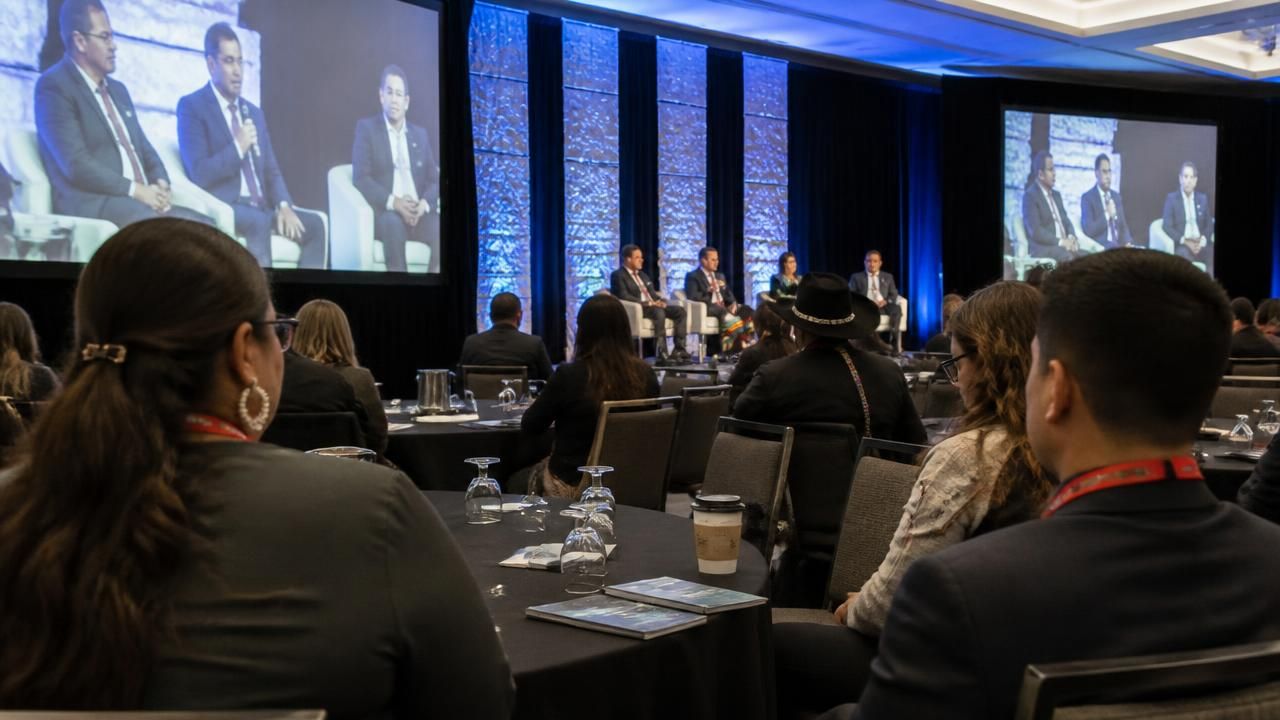
TORONTO — A series of developments across Canada and beyond is signaling a shift in how Indigenous communities finance and own major projects. From a First Nations-backed investment in Canada's first grid-scale small modular reactor to a new Indigenous asset management firm in Thunder Bay, and from a United Nations address on consent to a Nigerian portal for indigenous ship financing, the common thread is a move from consultation and local content to equity, ownership, and capital-market power.
Canada: Loan Guarantees and the SMR Test Case
The Canada Indigenous Loan Guarantee Corporation (CILGC) is supporting a landmark First Nations investment in Canada's first grid-scale small modular reactor, according to a Yahoo Finance report. The guarantee is designed to lower the cost of borrowing for Indigenous communities that want equity stakes in major energy infrastructure. Small modular reactors are seen as a key technology for decarbonization, but they carry high upfront costs and regulatory risk. By backstopping First Nations investment, the CILGC is trying to make ownership feasible rather than symbolic. The deal matters because it tests whether Indigenous capital can be a core part of Canada's energy transition, not just a beneficiary of it.
Institutional Capital: FNFA and Building Ontario Fund
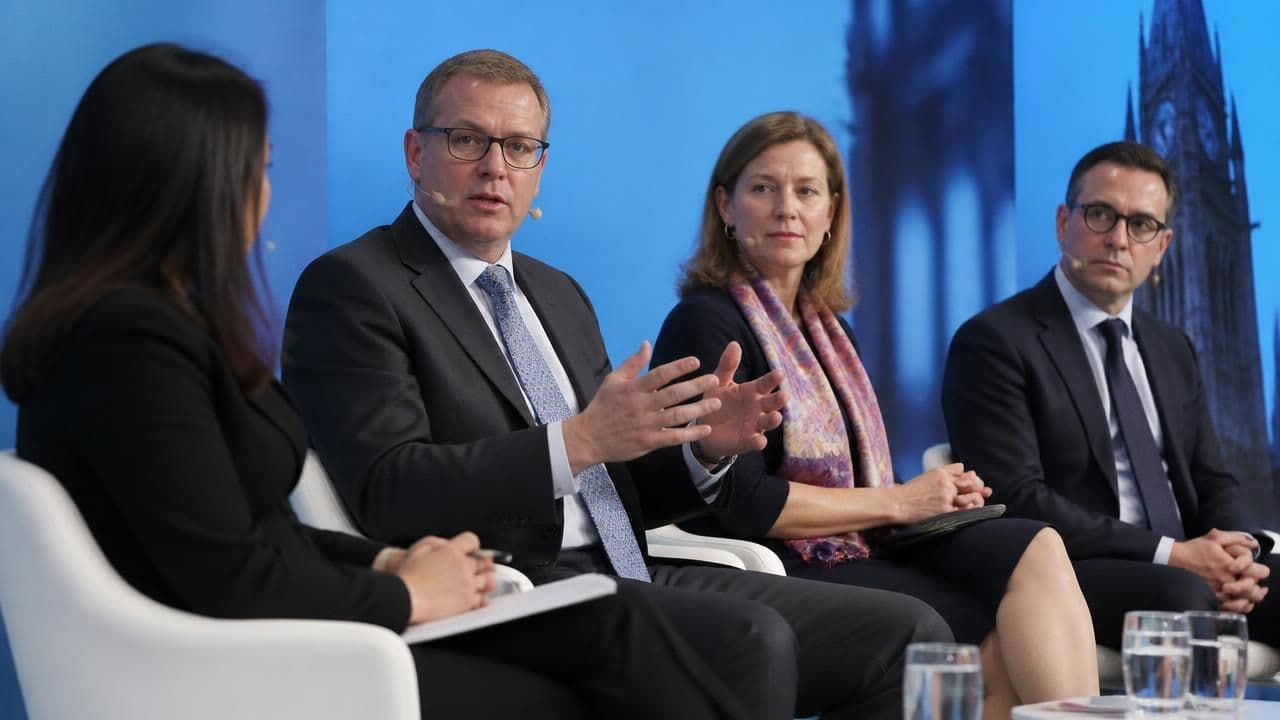
At the 2026 Canadian Finance Conference, James Byra, Managing Director of Finance and Investments at the First Nations Finance Authority (FNFA), and Michael Fedchyshyn, CEO of the Building Ontario Fund, discussed financing structures to expand Indigenous participation and ownership in major projects. Bloomberg's Paula Sambo moderated the panel. The conversation focused on closing capital gaps and supporting long-term economic growth. The FNFA has pioneered a pooled borrowing model that allows First Nations to access capital markets at better rates. The Building Ontario Fund can provide patient, public capital for infrastructure. Together, they represent two sides of the same coin: Indigenous-led financial institutions and public investment vehicles that can de-risk and co-invest. The panel signaled that the question is no longer whether Indigenous communities should participate, but how they can own and finance projects on their own terms.
Forward Summit and the Expanding Sectors
Forward Summit East returns to Rama First Nation near Orillia, Ontario, as economic participation expands across defence, critical minerals, and infrastructure, according to Yahoo Finance. The summit's agenda reflects a broadening beyond conventional resource extraction. Critical minerals are essential for batteries, defence systems, and clean energy. Defence procurement is opening to Indigenous partnerships. Infrastructure—roads, ports, broadband—remains foundational. The location on Rama First Nation is itself a statement: economic development is happening in Indigenous communities, not just about them. The summit is expected to draw Indigenous leaders, government officials, and industry executives to discuss deals, capacity, and policy.
New Indigenous Asset Manager Launches in Thunder Bay
A Thunder Bay-based Indigenous asset management firm launched during the Toronto Investment Summit, NetNewsLedger reported. The firm is significant because it builds Indigenous capacity to manage capital, not just receive it. Asset management is a high-value financial service that has historically excluded Indigenous professionals and communities. By launching a firm that can pool funds from First Nations, pension plans, and impact investors, the founders are creating an institution that can steward wealth across generations. The launch in Toronto—a financial hub—also signals that Indigenous finance is moving from the margins to the mainstream.
From Ginoogaming to Geneva: Consent as a Capital-Market Issue
Jason Rasevych, from Ginoogaming First Nation, told the United Nations that Indigenous consent is a capital-market issue, according to NetNewsLedger. His message was direct:
Indigenous consent is a capital-market issue.Rasevych's argument links free, prior and informed consent (FPIC) under the UN Declaration on the Rights of Indigenous Peoples to investment risk, social license, and the cost of capital. If consent is uncertain, projects face delays, litigation, and reputational damage. If consent is secured early and fairly, projects can proceed with greater certainty. This framing turns Indigenous rights from a political obstacle into a financial imperative. It also puts Indigenous communities at the center of due diligence, not as stakeholders to be managed but as rights-holders whose decisions affect asset values.
Oil, Gas, and the Shift from Local Content to Equity
An MSN report, Oil and Gas - From Local Content to Indigenous Participation, captures a parallel trend. Local content policies—hiring and procurement targets—are giving way to demands for equity ownership, revenue-sharing, and board seats. In Canada, pipeline and LNG projects have seen Indigenous equity deals that give First Nations a direct financial stake. In Nigeria, the Cabotage Vessel Financing Fund (CVFF) application portal launched by Minister Adegboyega Oyetola signals a new era for indigenous ship financing. The CVFF is intended to help Nigerian shipowners acquire vessels and compete in the maritime sector. Though Nigeria's use of the term indigenous refers to local operators rather than Indigenous peoples, the policy logic is similar: move from local content to local ownership, build domestic capacity, and retain value. The same shift is visible in oil and gas, where Indigenous participation is increasingly about ownership and governance, not just employment.
How Outlets Frame the Story
Bloomberg Markets framed the issue as a technical financing challenge: how to structure capital to close gaps. Yahoo Finance emphasized market milestones—the SMR investment and the Forward Summit. NetNewsLedger centered Indigenous voices and consent, from the UN to Thunder Bay. MSN covered sectoral shifts in oil, gas, and shipping. Together, they show a story that is both local and global, financial and political. The outlets differ in emphasis, but they converge on a single narrative: Indigenous capital is becoming an asset class.
Challenges and Implications
Critics caution that loan guarantees can transfer risk to taxpayers while private investors reap rewards. Others worry about capacity constraints, governance, and the danger of being offered equity in projects that are not economically viable. Proponents argue that ownership is the only way to break cycles of dependency and that the long-term benefits—revenue, jobs, and control—outweigh the risks. The key will be whether deals are structured on fair terms, with free, prior and informed consent, and with capacity-building built in. If they are, the current wave of announcements could mark a turning point. If not, it could become another round of extraction under a new label.
As the Canadian Finance Conference, Forward Summit, Toronto Investment Summit, and UN discussions show, Indigenous capital is no longer a niche. It is becoming a core part of infrastructure, energy, and finance. The next test is scaling from landmark deals to systemic change—and ensuring that the terms of that change are set by Indigenous communities themselves.