In a dramatic escalation of his trade and foreign policy agenda, President Donald Trump has declared a sweeping 100% tariff on a wide range of imported drones and aircraft parts, while simultaneously announcing adjustments to metal tariffs, a new 100% pharmaceutical duty, and a novel plan to send weapons to Ukraine. The moves, reported by The Verge, France24, RTHK, Korea Herald, and CNN, signal an aggressive use of executive power on multiple fronts.
Drone Tariffs: A Direct Hit on the Tech Industry
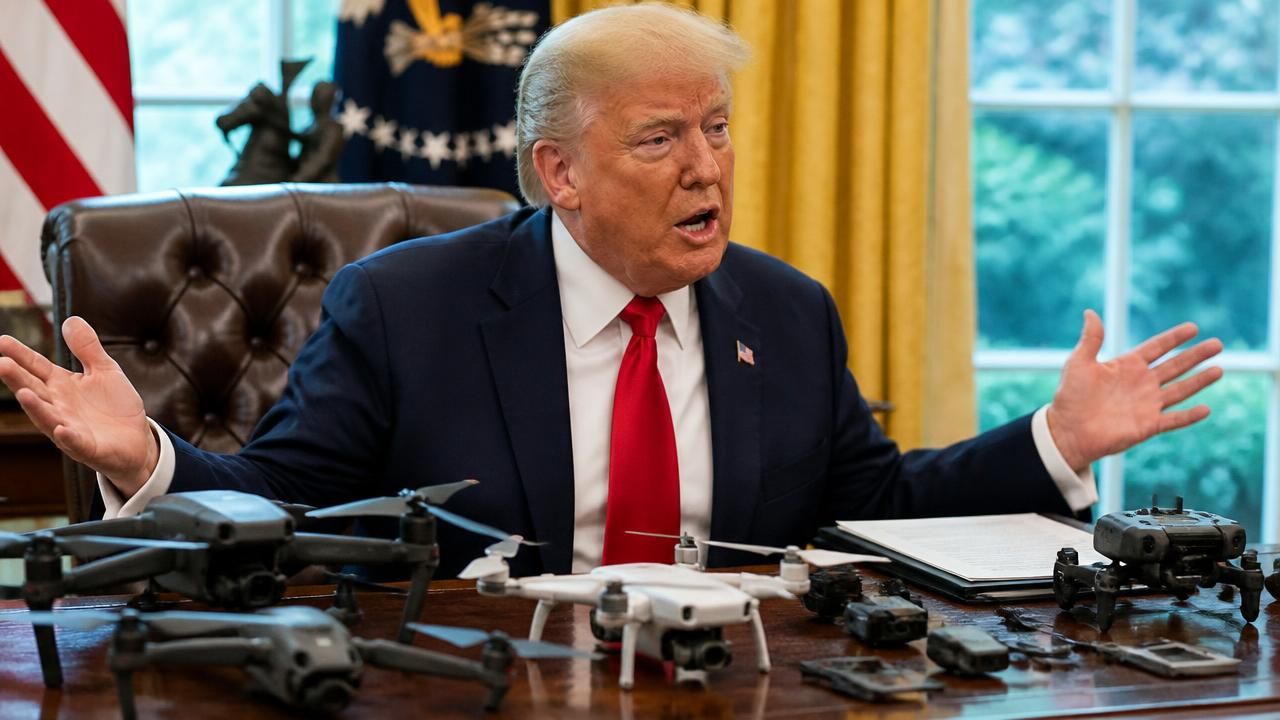
The centerpiece of the tech-focused action is a 100% tariff on imported drones equipped with thermal cameras, drones weighing more than 25 kilograms (57 pounds), and any parts for unmanned aircraft over that weight. The Verge reported that the action builds on an earlier ban on future foreign drones entering the United States unless companies comply with certain demands, describing the new move as making existing drone imports "cost a lot more." The Verge also noted that for all other drones, including sub-250-gram "Mini" consumer drones, Trump declared a separate, lower tariff rate, though details remain unclear.
France24 and RTHK confirmed the "up to 100%" tariff figure, emphasizing the broad scope of the measure. The 100% tariff is expected to significantly raise prices for commercial and industrial drones, many of which are manufactured in China. "The United States has already banned future foreign drones from entering the United States unless their companies kiss the ring," The Verge wrote, underscoring the confrontational tone of the policy.
Affected Drone Categories
- Drones with thermal cameras – used in firefighting, search-and-rescue, and industrial inspection.
- Heavy-lift drones over 25kg – common in agriculture and logistics.
- All parts for unmanned aircraft over 25kg – impacting maintenance and production.
Broader Tariff Actions: Metals and Pharmaceuticals
The drone tariffs are not an isolated move. The Korea Herald reported that the Trump administration also announced adjustments to metal tariffs (steel and aluminum) and a separate 100% duty on pharmaceuticals, citing "affordability concerns." These adjustments aim to protect domestic industries but have raised worries about higher costs for manufacturers and consumers alike. The pharmaceutical tariff, in particular, is a direct challenge to global drug supply chains, potentially reshaping the healthcare market.
Ukraine Weapons Plan and Russia Deadline
In a seemingly unrelated but equally consequential announcement, CNN reported that Trump unveiled a "novel plan to send weapons to Ukraine and gives Russia a new deadline to make peace." While not directly about tariffs, the Ukraine plan is part of the same presidential policy blitz. The approach suggests a link between trade pressure and foreign policy, with Trump using economic levers to advance his diplomatic agenda. The new weapons package and deadline could shift the balance in the conflict, though details of the plan remain sketchy.
How Different Outlets Frame the Story
The five news sources offer distinct perspectives on the same round of announcements. The Verge focuses on the tech industry impact, with a critical tone about protectionist measures. France24 and RTHK present the drone tariffs as a straightforward trade action, highlighting the "up to 100%" figure. The Korea Herald widens the lens to include metals and pharmaceuticals, framing the tariffs as part of an "affordability" debate. CNN, meanwhile, ties the announcements to geopolitical strategy, emphasizing the Ukraine connection.
Expert Views and Implications
Trade analysts say the 100% drone tariff could accelerate the reshoring of drone manufacturing or drive companies to move production to third countries. However, the complexity of drone supply chains means immediate price hikes are likely. "The drone market is heavily reliant on Chinese components," one industry expert noted. "A 100% tariff will either cripple demand or spur a major shift in sourcing."
The pharmaceutical duty, meanwhile, has sparked concerns in the healthcare sector, where many generics are produced overseas. "If you impose a 100% tariff on drugs, you're essentially taxing the sick," said a healthcare policy researcher. The metal tariff adjustments are also being watched closely, as steel and aluminum are foundational to many industries, including automotive and construction.
Regarding Ukraine, the new weapons plan could be seen as an attempt to pressure Russia into negotiations. "Trump is mixing trade and military aid to project strength," said a foreign policy expert. "The deadline gives Russia an ultimatum, while the weapons plan signals ongoing US support for Ukraine."
What Happens Next
These actions are executive in nature, meaning they take effect immediately, but they may face legal challenges. Industry groups are expected to push back, and trading partners like China and the European Union have already signaled retaliatory measures. For consumers, the most immediate impact will be higher prices for drones, medications, and goods made with imported steel and aluminum. Meanwhile, the Ukraine plan could have far-reaching consequences for European security.
As the world watches, the Trump administration is clearly betting that aggressive tariffs and bold foreign policy moves will reshape global trade and diplomacy. Whether these measures achieve their stated goals of boosting domestic industry and securing peace remains an open question.