Washington as a Construction Site
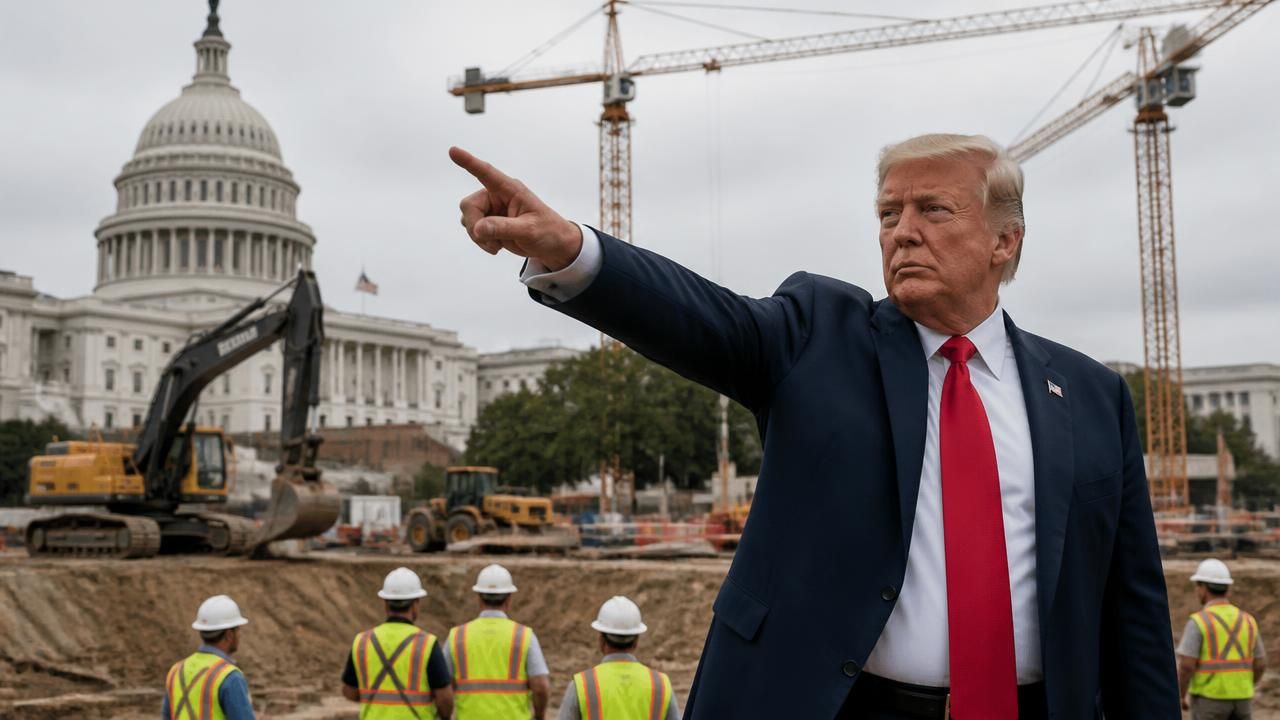
President Donald Trump has never hidden his affection for concrete, steel and skyline. Now, according to NPR Politics and Boise State Public Radio, he is bringing that New York real estate sensibility to the nation’s capital, aiming to leave a physical legacy in Washington while bulldozing longstanding norms along the way.
The story, first reported by NPR and rebroadcast by Boise State Public Radio, frames Trump’s ambitions as a collision between developer instincts and a city governed by unique historical and legal constraints. Washington is not Manhattan. Its height limits, historic preservation laws, federal oversight and layered review processes make large-scale construction slow, contested and highly regulated. Experts say that is precisely why Trump’s approach worries them: D.C. is a very different historic and legal landscape — and the precedent he could set may outlast any single building.
“President Trump has brought his New York real estate background to the White House. But experts say D.C. is a very different historic and legal landscape — and worry about the precedent he could set.”
Trump’s interest in the physical capital is not new. During his first term, he proposed a classical architecture mandate for federal buildings, tangled with preservationists and pushed for a triumphal military parade. But the current effort appears more sweeping, with allies describing it as a way to stamp his brand on the capital for generations. Critics see something darker: a president treating federal property as a personal canvas and using the power of the state to override local and historic protections.
The tension is not merely aesthetic. Washington’s built environment is a national symbol, and changes to it are typically subject to public comment, commissions and congressional oversight. If those guardrails are bypassed, experts warn, the damage to democratic norms could be as significant as any altered skyline.
AI: A Race to Win, Not a Risk to Manage
On another front, Trump is applying a similar win-at-all-costs logic to artificial intelligence. According to Yahoo News, the president responded to a call by the CEOs of Anthropic, OpenAI and xAI to slow AI development by declaring: “Whoever wins AI wins.”
“Whoever wins AI wins.”
The line is brief, but it captures a worldview. The CEOs’ appeal reflected growing anxiety among AI leaders about safety, existential risk and the speed of deployment. Trump’s reply, by contrast, framed artificial intelligence as a geopolitical prize — a race against China and other rivals that must be won, not a technology to be restrained.
That framing has deep roots. During the Cold War, the space race became a proxy for national strength. Today, AI is increasingly seen the same way: a general-purpose technology that will shape economies, militaries and information systems. Trump’s stance aligns him with venture capital, defense hawks and parts of Silicon Valley that argue American dominance requires deregulation and rapid deployment.
But the CEOs’ request also reveals a split within the industry. Some leaders warn that unchecked AI could pose catastrophic risks; others fear that slowing down cedes advantage to competitors. Trump’s answer suggests his administration will side with speed and power. The question is whether safety concerns can survive that calculus.
A Campus Case Tests Institutional Accountability
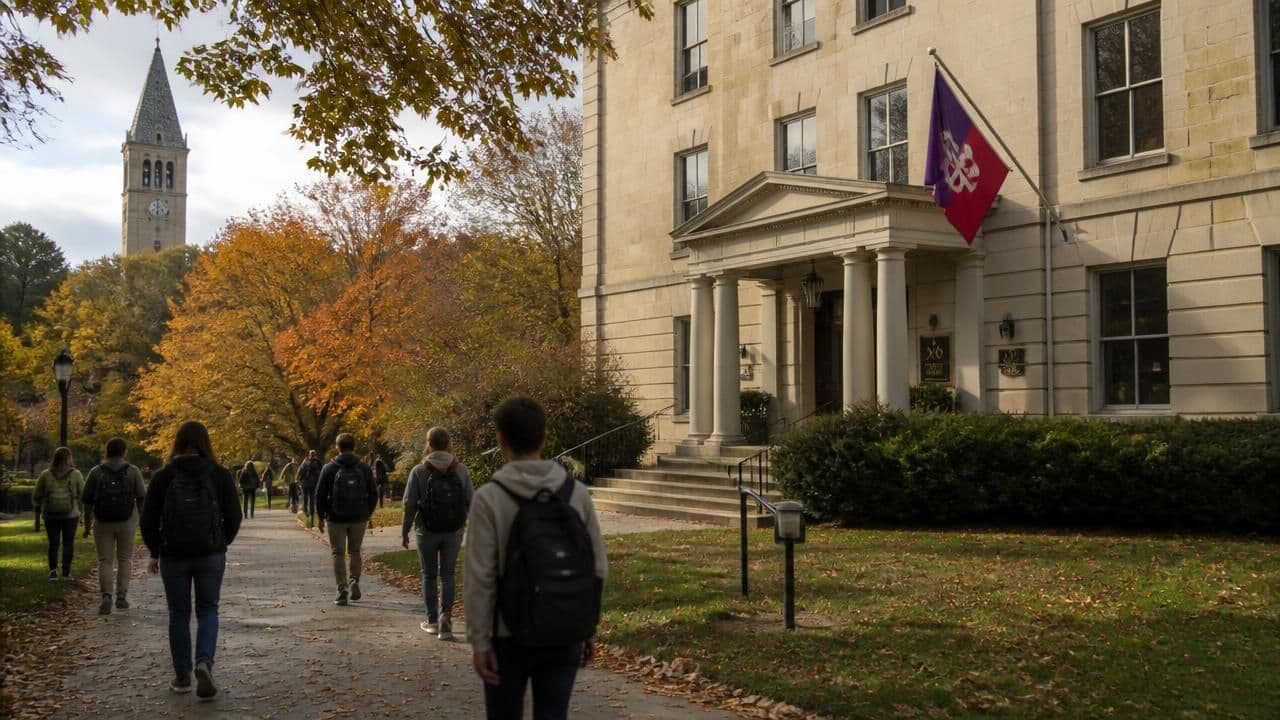
Meanwhile, North Country Public Radio reported on a sexual assault case filed against Cornell University. While details of the filing were not fully available, the case adds to a national reckoning over how colleges and universities handle allegations of sexual violence, protect students and respond to legal scrutiny.
Cornell, an Ivy League institution, is no stranger to the debate over campus safety and Title IX enforcement. The lawsuit arrives at a moment when elite universities are already under intense political pressure over issues ranging from free speech to antisemitism to admissions. Sexual assault cases often become tests of whether institutions can police themselves — or whether courts and regulators must intervene.
The Cornell case may not have a direct connection to Trump’s Washington legacy or his AI comments, but it shares a common thread: established institutions are being challenged to justify their conduct. Universities argue they have improved reporting systems and support services. Advocates say too many cases still end in trauma, opaque proceedings or inadequate consequences. The legal fight will likely turn on questions of notice, response and whether the university met its obligations under federal law.
The Common Thread: Norms Under Pressure
Across these developments, a single theme emerges: traditional guardrails are under pressure. In Washington, historic preservation and federal review are being tested by a developer-president eager to build. In technology, safety advocates and CEOs are being tested by a president who sees AI as a winner-take-all contest. In higher education, campus judicial systems are being tested by a lawsuit that asks whether they can deliver accountability.
Supporters of Trump’s approach say bold action is necessary to break bureaucratic inertia and secure American strength. Critics counter that bulldozing norms in one arena weakens them everywhere, creating precedents that future leaders can exploit. The outcome will not be decided by a single building, a single AI policy or a single lawsuit. It will be decided by whether institutions can defend the rules that constrain power — or whether those rules become just another obstacle to be cleared.