The UK economy received a surprise boost in June as the football World Cup and an unseasonable heatwave spurred consumer spending, according to official data released this week. Gross domestic product (GDP) grew by 0.3% in June, surpassing forecasts, but the quarterly growth rate slowed, underscoring the underlying fragility of the British economy.
June's Unexpected Expansion
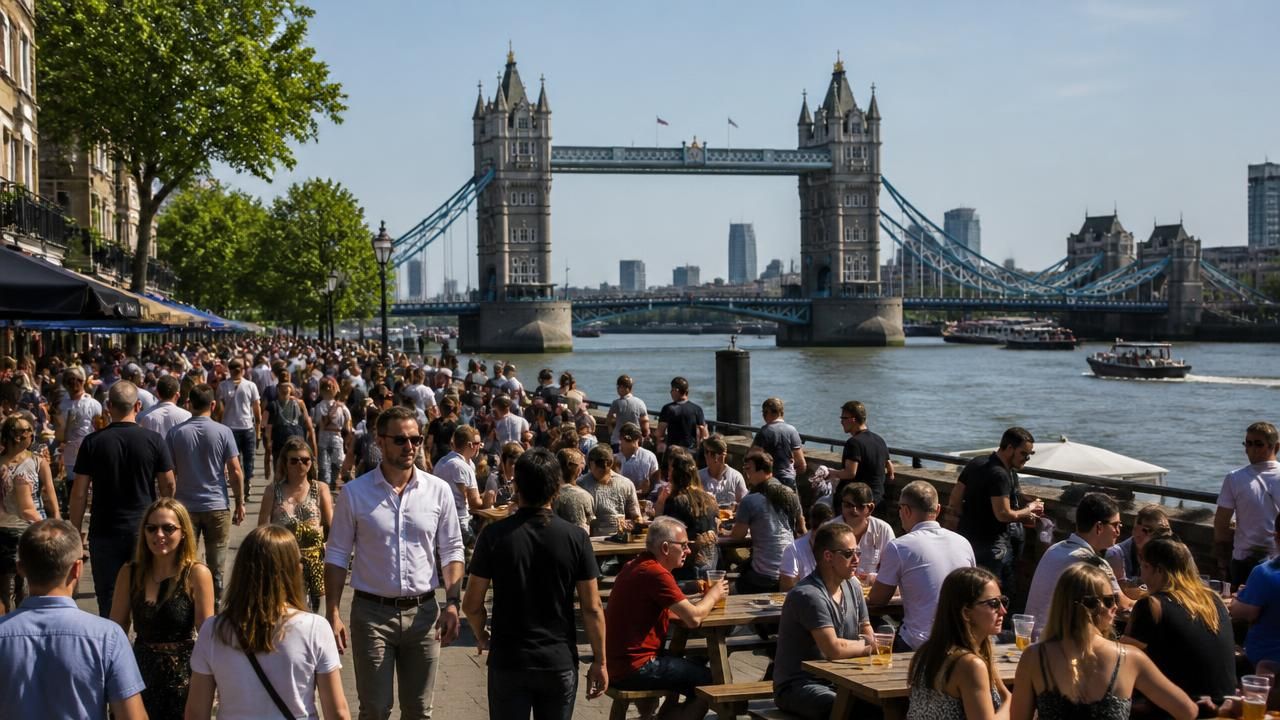
The Office for National Statistics (ONS) reported that GDP rose 0.3% month-on-month in June, recovering from a flat May. The expansion was driven by strong retail sales, increased pub and restaurant visits, and a surge in staycations, all amplified by the World Cup and the hottest weather on record for parts of the UK. The services sector was the primary contributor, with consumer-facing industries enjoying their best month since early this year.
However, the second quarter as a whole grew by just 0.4%, down from 0.6% in the first three months of the year. The Times noted that despite the June boost, the underlying picture is one of a slowing economy, with business investment weak and trade hampered by Brexit uncertainty. The quarterly slowdown has led some economists to caution against reading too much into the one-month surge.
“The sun and the football brought consumers out in force, providing a notable tailwind to the economy. But the quarter as a whole shows the UK is still growing only modestly,” said one economist.
Consumer Spending Led by World Cup and Staycations
Retail sales volumes rebounded sharply in June, as shoppers bought outdoor goods, BBQs, and alcohol for World Cup screenings. Checkout magazine reported that UK consumers spent heavily on food and in pubs during the tournament, with supermarkets and bars enjoying a double-digit spike in sales. The British Retail Consortium described the month as “a rare bright spot” for the high street, which has struggled with inflation and changing shopping habits.
Business activity surveys mirrored the upbeat mood. The IHS Markit/CIPS purchasing managers’ index (PMI) for the service sector jumped to a eight-month high, driven by the leisure and hospitality industries. Staycations were a particular boon to seaside towns and tourist attractions, as many Britons opted to stay at home rather than travel abroad, according to MSN and the Times & Star.
- Retail sales rose 0.9% in June, the largest monthly gain since March.
- Pubs and restaurants reported a 4.5% increase in like-for-like sales during World Cup matches.
- Hotels and holiday parks in the UK saw occupancy rates exceed 90% in the final week of June.
Wages and the Bank of England
Adding to the mixed picture, official figures showed that UK wages grew faster than expected in the March-to-May period, with average weekly earnings rising 2.8% year-on-year, exceeding the 2.5% forecast. This pickup in pay growth, alongside the boost to activity, has reignited expectations that the Bank of England will raise interest rates in August. HSBC economist Liz Martins commented that the resilience of the economy gives the Bank room to tighten policy, but warned that the second-quarter slowdown suggests the central bank will move cautiously.
The pound sterling rallied to a three-week high against the dollar ahead of the GDP release, as traders priced in a higher chance of a rate hike. Global Banking and Finance noted that sterling’s strength was also supported by oil supply talks and a softer dollar. However, the currency’s gains were tempered after the data confirmed a slower quarterly pace.
Diageo and Corporate Winners
Corporate results underscored the World Cup effect. Diageo, the world’s largest spirits maker, delivered surprise sales growth in its latest quarter, driven by strong demand for Guinness during the tournament and a heatwave-fueled surge in beer consumption. The company reported a 2.2% rise in organic net sales, beating analysts’ expectations of a decline. The Irish Examiner highlighted that Guinness sales in Europe jumped 8%, with the UK and Ireland particularly strong.
Other companies also benefited. Supermarkets, pub chains, and breweries reported robust earnings, while outdoor leisure and clothing retailers saw a windfall from the hot weather. Yet the boost was temporary; early July data suggest retail footfall has since returned to more subdued levels, leading some analysts to warn that the July heatwave could dampen sales as consumers stay indoors.
Coverage and Interpretation
The news was framed differently across outlets. Bloomberg and Reuters focused on the surprise upside, emphasizing the World Cup and sunshine as key drivers. The Times took a more cautious tone, reminding readers that the quarterly slowdown reflected underlying weaknesses in investment and trade. The BBC highlighted the dual forces of growth and wage acceleration, while the Irish Examiner used the Diageo results to illustrate the corporate winners. The Dunfermline Press even linked the positive data to the UK economy’s ability to withstand geopolitical pressures, such as tensions with Iran over oil tankers.
For policymakers, the numbers present a conundrum. The stronger June figures and firmer wage growth argue for higher interest rates to keep inflation in check. But the weaker quarterly trend and global trade risks suggest tightening could be premature. Most economists expect the Bank of England to wait for more evidence before acting, though a hike in August remains on the table if the data stay firm.
What It Means
The UK economy is currently being propped up by temporary tailwinds – the weather, the World Cup, and a resilient consumer. Yet structural challenges remain: Brexit uncertainty, weak business investment, and a housing market that has lost momentum. The June boost may flatter growth figures, but the second-quarter slowdown is a reminder that the recovery is fragile. As the summer fades, the economy will need more than sunny skies to sustain its momentum.