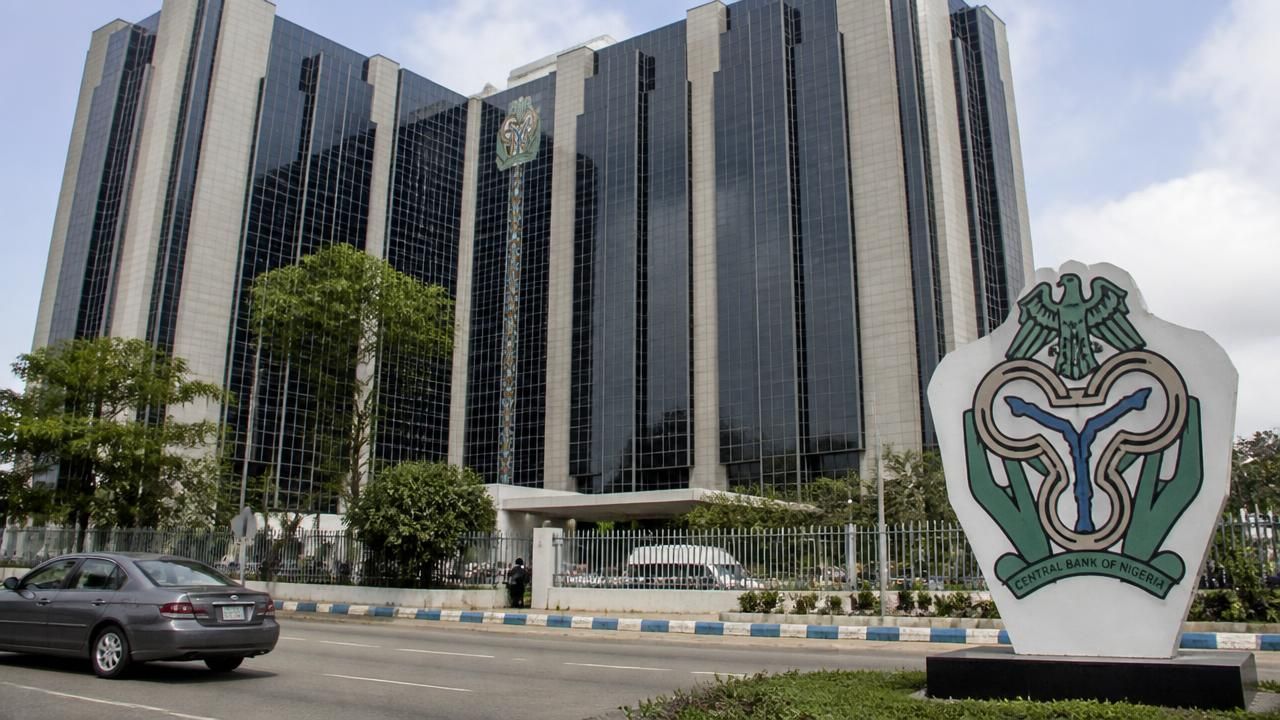
The Central Bank of Nigeria (CBN) has announced a sweeping set of reforms aimed at deepening the country’s financial markets, enhancing liquidity management, and broadening participation in monetary policy operations. The most significant move is the expansion of Open Market Operations (OMO) eligibility to include individuals, corporates, and non-bank financial institutions, a departure from the previous bank-only access. Bloomberg Markets first reported the change, noting that the central bank now permits a wider range of participants to trade in OMO securities, a tool traditionally reserved for deposit money banks.
According to Punch Newspapers, the CBN has also relaxed borrowing rules for banks engaged in trading foreign exchange and government securities. This dual approach—widening market access while easing liquidity constraints—signals a more flexible monetary policy framework aimed at attracting investment and stabilizing the Naira. BusinessDay described the move as “easing bank liquidity rules” and opened OMO auctions to individuals and companies, explaining what it means for market participants and the broader economy.
Details of the OMO Expansion
The OMO is a key instrument used by the CBN to control money supply and influence interest rates. Previously, only banks could participate in these auctions, limiting the central bank’s ability to mop up excess liquidity directly from the non-bank public. By opening OMO to individuals, corporates, and non-bank financial institutions, the CBN aims to deepen the financial system, improve price discovery, and provide alternative investment vehicles for these entities.
The Whistler newspaper highlighted that these reforms are expected to boost dollar inflows, contributing to long-term Naira stability. The Guardian Nigeria echoed this sentiment, reporting that the Naira is “trudging up to long-term stability” as CBN reforms take root. The CBN has also introduced a new dollar pricing mechanism for parallel market traders, as reported by Legit.ng, which aims to narrow the widening FX rate gap between official and parallel markets.
Relaxed Borrowing Rules for Banks
In addition to OMO access, the CBN has lifted restrictions on banks’ access to the discount window, allowing them to borrow more easily against FX and government securities. BusinessDay reported that the CBN “lifts FX, bond restrictions on banks accessing discount window.” This move provides banks with greater flexibility in managing their liquidity and reduces the risk of short-term funding crunches. TheCable also noted that “CBN broadens liquidity options for banks, investors,” emphasizing the wider range of tools available to financial institutions.
Recent treasury bill sales by the CBN have had a notable impact on banks, according to Legit.ng. These sales are part of the central bank’s liquidity management strategy, and the relaxed rules for participating in OMO will likely affect how banks bid for these instruments. By allowing non-bank participants, the CBN can reduce the pressure on banks to absorb government securities, freeing up capital for private sector lending.
Digital Payments and Financial Inclusion
In a related move, the CBN expanded the operating radius for Point of Sale (PoS) terminals from the previous limit to 70 metres. TechCabal reported this change, and Legit.ng described it as “big relief for Moniepoint, OPay, other agents as CBN loosens strict PoS rules.” This policy shift enables agents to move beyond a fixed location, enhancing financial inclusion and digital payments across the country.
Nigeria’s digital economy continues to expand, with Remita processing over ₦100 trillion in payments, as reported by The Guardian. This milestone underscores the growing role of fintech platforms in the nation’s financial ecosystem. However, The Guardian also noted that “poor digital retail offerings mar N85tr stock market potential,” suggesting that while digital payments are thriving, stock market participation remains hindered by inadequate digital channels for retail investors.
Banking Sector Expansion
Amid these regulatory changes, Nigerian banks are expanding their footprints internationally. Access Bank, one of the country’s largest lenders, announced the launch of Access Bank Malta Limited, aiming to strengthen Europe-Africa trade ties, as reported by TVM News. This follows reports of Access Bank’s Kenya unit narrowing its loss but widening its capital gap in Q1 2026 (Kenyan Wall Street). Additionally, Legit.ng reported that Access Bank has taken over a branch of a top bank operating in Nigeria and plans to open new branches abroad, targeting specific markets.
Other banks are also adjusting their offerings. Legit.ng noted that GTBank, Access Bank, and others have announced new spending limits on Naira debit cards for use abroad, reflecting efforts to manage foreign exchange exposure while supporting customers.
Broader Economic Reforms and Market Expansion
The CBN’s reforms are part of a broader push to modernize Nigeria’s financial system. Quantum Global, an investment firm, is expanding operations in Nigeria and the Middle East (TheCable). Similarly, Xantos, a financial technology company, is expanding to Africa, giving its clients access to American markets (BusinessDay). These developments highlight the continent’s growing appeal as a destination for financial innovation.
“The expansion of OMO to non-bank participants is a game-changer for Nigeria’s financial markets,” said a financial analyst quoted by BusinessDay. “It democratizes access to government securities and improves the efficiency of monetary policy transmission.”
Implications for the Naira and Economy
Analysts believe that these measures will help stabilize the Naira by attracting foreign capital and reducing the pressure on the parallel market. The Guardian’s report on “Naira… Trudging up to long-term stability” suggests that while progress is gradual, the direction is positive. The CBN’s new dollar pricing mechanism for parallel market traders, announced by Legit.ng, is intended to bridge the gap between official and unofficial rates, an essential step toward a unified exchange rate.
Yet, challenges remain. The stock market’s retail participation is hampered by poor digital offerings, and the banking sector faces capital gaps in some regions, as seen in Access Bank Kenya’s report. The success of these reforms will depend on sustained implementation and continued private sector confidence.
Expert Views and Historical Context
Historically, Nigeria’s central bank has used OMO auctions to manage liquidity, but access was limited to banks. By opening the market, the CBN is aligning with global best practices, where central banks often interact with a broad range of counterparties. This also supports the federal government’s borrowing program by diversifying the investor base for Treasury bills and bonds.
Experts argue that the relaxation of borrowing rules for banks and the expansion of PoS radius are complementary moves. “The central bank is sending a clear signal: it wants to deepen the financial system, promote digital payments, and ensure that liquidity flows where it is needed,” said an economist at a Lagos-based research firm.
As Nigeria continues to navigate a challenging global economic environment, these reforms represent a proactive approach to building a more resilient financial sector. The expansion of OMO access, combined with efforts to stabilize the Naira and foster digital inclusion, could position Africa’s largest economy for sustained growth.
With the success of these policies still to be fully tested, market participants and observers alike will be watching closely. What is clear, however, is that the CBN is determined to modernize and open up Nigeria’s financial landscape, one reform at a time.