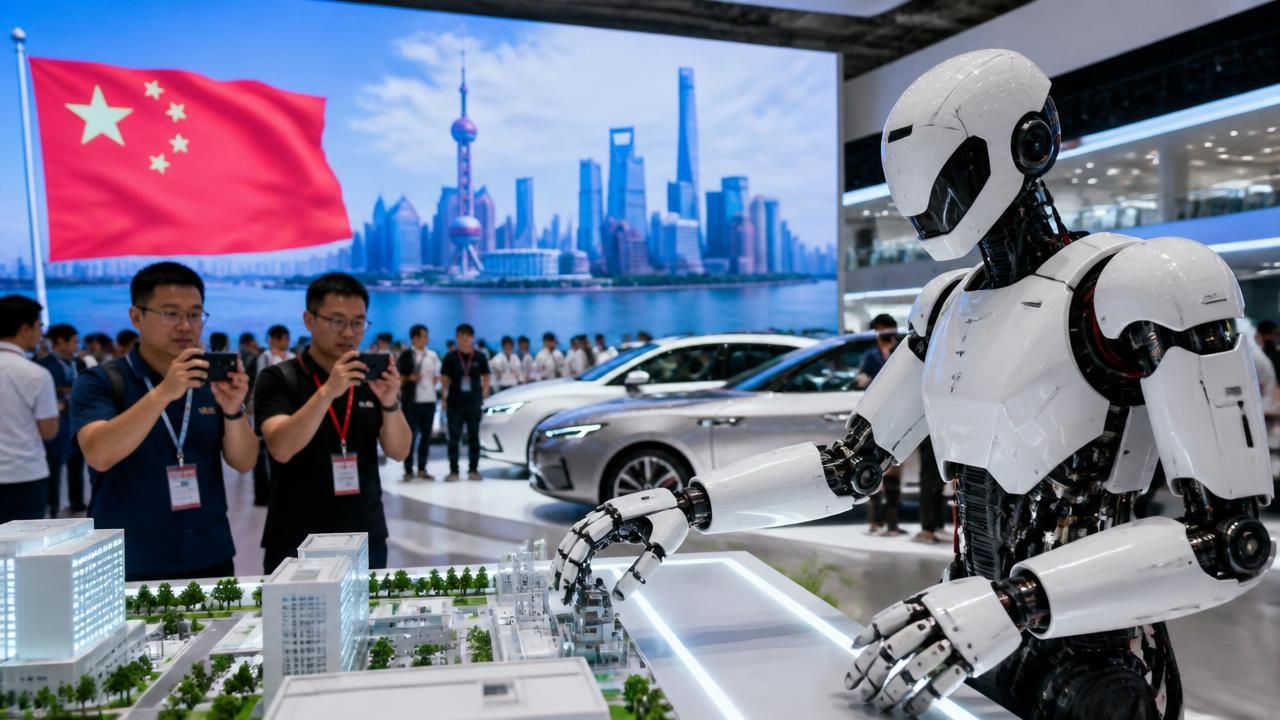
In recent weeks, a striking narrative has crystallized across media outlets from NPR to Bloomberg: the United States is losing its long-held dominance to China in a broad array of industries and domains. The New Yorker's Evan Osnos, in his story “The Future, Made in China,” argues that Beijing may be benefiting from both the war in Iran and Trump's tariffs, gaining an edge in the competition for tech supremacy. This sentiment echoes through reports on rare earths, solar power, electric vehicles, batteries, finance, military capacity, and even table tennis.
The Tech Race: AI and Semiconductors
One of the most contested arenas is artificial intelligence. VentureBeat reports that China leads in consumer AI, while the U.S. still leads in enterprise AI—a split that could determine future global standards. Fox News amplifies a former CIA operative's warning that the U.S. will “lose everything” if it allows China to become dominant in AI. Meanwhile, a Pentagon “Overmatch Brief” reportedly admits the U.S. is likely to lose a Taiwan war against China as the People's Liberation Army's overmatch surges. But not everyone agrees the AI race is a zero-sum game: Vox's headline “Maybe losing the AI race to China isn’t such a bad idea” captures a contrarian, skeptical view.
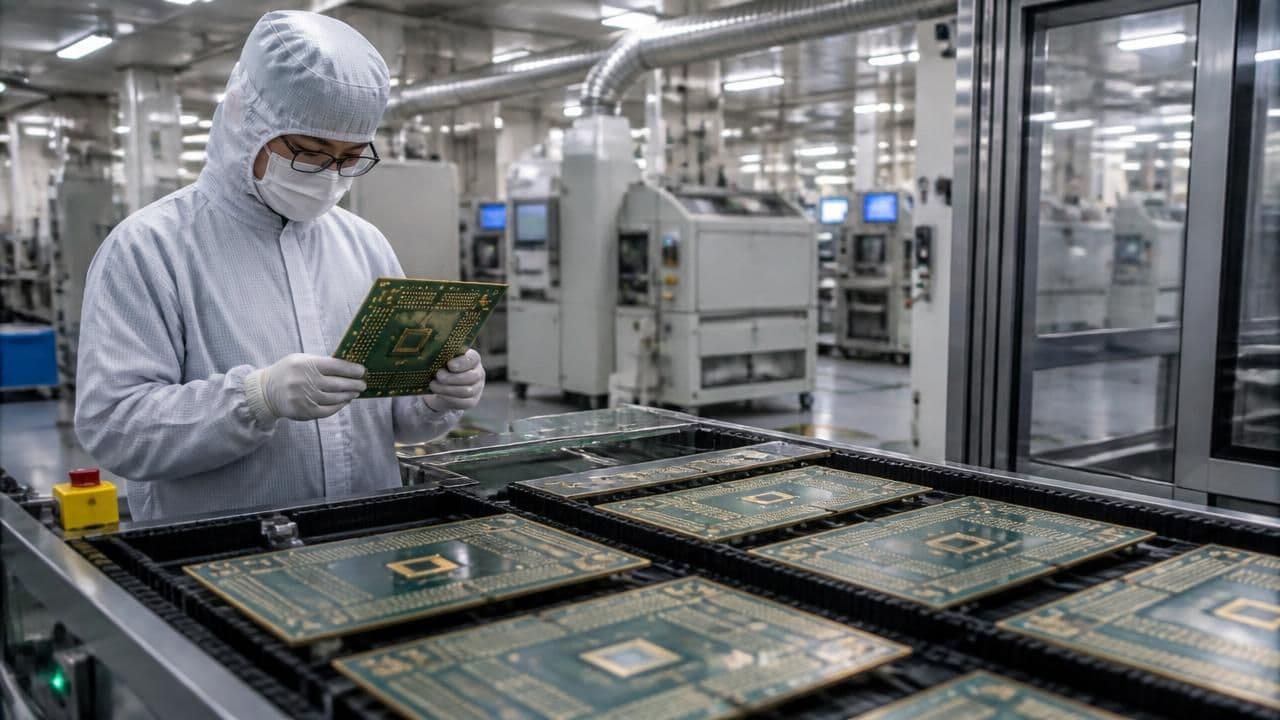
In semiconductors, U.S. export rules have unintentionally accelerated China's push for self-sufficiency. NewsBytes notes that NVIDIA has lost its China AI chip dominance after the U.S. restricted exports, forcing Chinese firms to develop homegrown alternatives. This is a recurring pattern: protectionist measures may backfire, strengthening China's resolve to innovate independently.
Critical Minerals and Green Energy
Nowhere is the shift more visible than in critical minerals and clean energy. MSN reported that China is using Africa to expand its rare earth dominance, even as a study acknowledges China's structural weakness because the U.S. and Japan hold core patents. The New Republic chronicles how the U.S. lost the rare earth materials war. Bloomberg's investigation, “How the US Lost the Solar Power Race to China,” details how decades of Chinese industrial policy and cheap capital overwhelmed American manufacturing. Marketplace looked at the back story of America's loss of dominance in steel production, another foundational industry.
The electric vehicle market tells a similar story. Rest of World reports that Tesla is losing ground as Chinese EVs dominate global markets. A New York Times piece from 2023 highlighted a Chinese carmaker that loses $35,000 per vehicle, signaling a willingness to sacrifice profits for market share. South Korea's battery giants, once leaders, are losing their spark to Chinese competitors, as Rest of World details. In the Gulf, ThinkChina notes that China is outpacing the U.S. in the green energy race, a strategic advance in a region long tied to American power.
Finance, Trade, and the Dollar
The financial sector is also feeling the tremors. Hank Paulson, former U.S. Treasury Secretary, warns that the U.S. risks losing finance-industry dominance. The Atlantic Council argues that the U.S. cannot afford to lose dollar dominance, while EBC Financial Group questions whether the dollar is losing its global reserve status. Agricultural dominance is waning too: Yahoo Finance reports that U.S. farm dominance is eroding as China pivots to Brazil for soybeans and other commodities, a realignment driven by trade wars and geopolitical hedging.
“America Won’t Exist If We Can’t Build Things,” declares a piece in The Free Press, capturing the deep anxiety about the erosion of American industrial capacity.
The AEI and the New York Post amplify the alarm, with the latter asserting that Trump understands China is on its way to global domination and must be stopped. The New York Times opinion pages ask, “This Is Why America Is Losing to China,” and the WSJ warns of losing the biotech fight. The U.S. is also missing the new labor economy, according to SemiAnalysis, particularly in robotics.
Military and Geopolitical Domains
Military and geopolitical analysts see the shift as existential. Defense Security Asia reports that the Pentagon's own “Overmatch Brief” admits the U.S. is likely to lose a Taiwan war. Space.com reveals that experts told the Senate the U.S. is in real danger of losing the moon race to China, a high-stakes contest for space resources and prestige. The Global Times, China's state media, frames U.S. smears of the Chancay Port in Peru as a reflection of geopolitical calculations and fear of losing regional dominance. The Cradle, an alternative outlet, goes further: India and Israel are losing their U.S.-backed dominance in Asia, a sign that the U.S. alliance system is fraying.
Beyond Economics: Culture, Science, and Sport
Even soft-power and cultural domains show the shift. Bloomberg notes that American films are losing their dominance over the global box office, as Chinese cinema grows. In science, Harvard lost first place in the Nature Index to a Chinese institution, a symbolic milestone. Modaes reports that China's market dominance in global fashion manufacturing is diminishing, not to the U.S. but to other low-cost countries. And in table tennis—a sport China has dominated for decades—China has lost its grip at the World Cup, as VnExpress and Global Times both report, with Lin Shidong’s setback possibly a new beginning.
The Bigger Picture
How should we interpret this wave of headlines? The framing varies sharply. Conservative commentators like the New York Post and Fox News sound the alarm, urging a forceful U.S. response. Centrist outlets like Bloomberg and the WSJ document structural losses. Left-leaning and contrarian voices, such as Vox and the Milwaukee Independent (which argues Trump's isolationist agenda could unintentionally advance global equity by weakening U.S. dominance), see opportunity in a multipolar world. Chinese state media, unsurprisingly, celebrate the trend as natural and inevitable.
What is undeniable is that the U.S. is no longer the unchallenged hegemon across every front. The pace of China's ascent, driven by state-backed industrial policy, massive investment, and a long-term strategic vision, is forcing a reckoning in Washington. Whether this leads to a new cold war, a managed rivalry, or a genuine multipolar order will depend on how the United States responds to the very real losses it now faces.