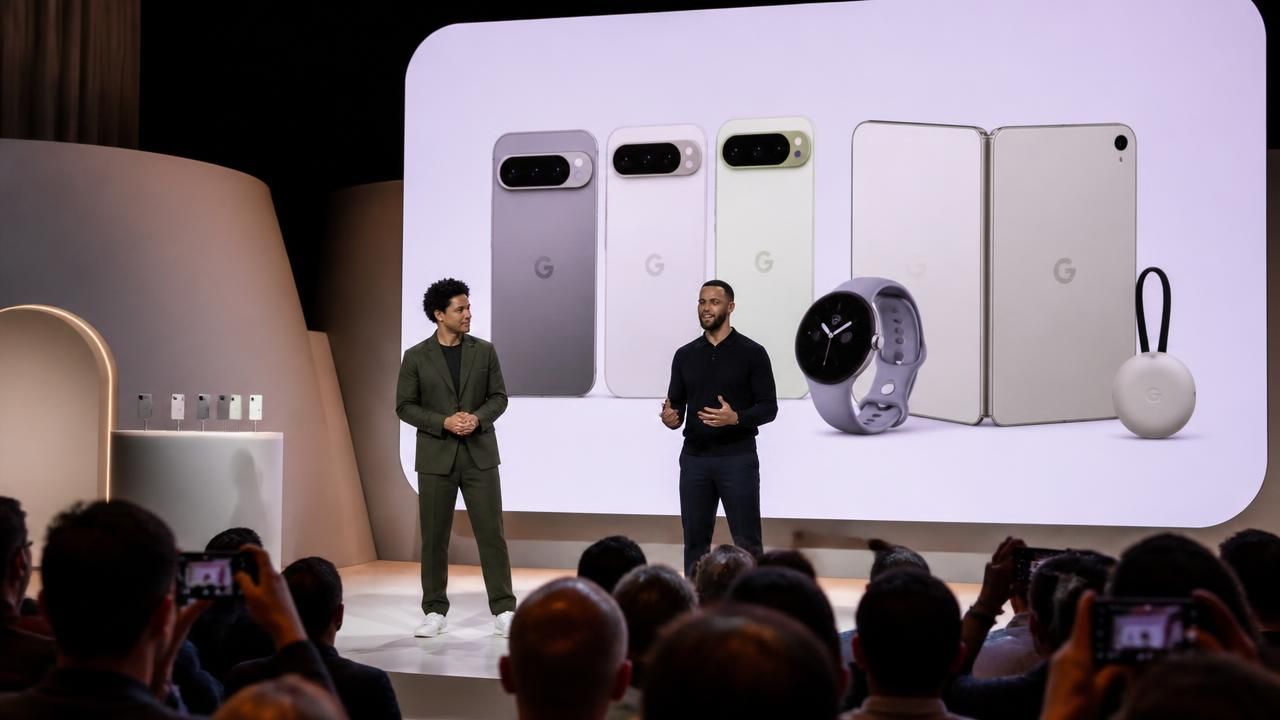
Google's annual hardware showcase, held today in New York, brought the Pixel 11 series, Pixel Watch 5, and the company's first in-house tracking tag. But the star of the show wasn't just hardware—it was Gemini. From the new HiLight LED notification system to a Tensor G6 chip designed for on-device AI, Google made it clear that the Pixel 11 is its boldest statement yet in the AI smartphone race against Apple.
The event, hosted by Trevor Noah and NBA star Stephen Curry, was livestreamed globally, with pre-orders opening before the official presentation ended—an unusual move that had already been teased by leaks. The Pixel 11 series starts at $899 for the base model, with the Pro and Pro XL variants commanding higher prices, and a new Pro Fold completing the lineup.
Pixel 11: Evolution or HiLight?
As Ars Technica noted, the Pixel 11's design is an evolution of the Pixel 9, not a revolution. The camera bar remains, but now carries a new feature called HiLight—a ring of RGB LEDs embedded in the flash assembly on Pro models. It lights up when Gemini is listening or responding, allowing users to interact with the assistant without looking at the screen. Early leaks suggested the feature could also be color-coded for alerts from favorite contacts, a detail confirmed by a teardown reported by 91mobiles.
Not all reviewers were impressed. PhoneArena warned that the Pixel 11 could be "the most disappointing flagship of 2026," pointing to incremental upgrades and the Pro-only HiLight. But others see HiLight as a clever nod to the notification LED of the past, reimagined for the AI era. Geeky Gadgets called it "Google's biggest hardware change in years," while Mashable highlighted the new "Pixel Glow" camera bar finish that gives the Pro models a distinctive sheen.
Tensor G6 and AI Performance
Under the hood, the Pixel 11 is powered by the Tensor G6 chip, which leaked specifications say brings a significant boost to on-device AI processing. The chip enables new Gemini features, including real-time translation, advanced photo editing, and conversational search. CNBC's coverage framed the launch as "the AI phone battle with Apple," emphasizing that Google is positioning Gemini as the default assistant, deeply woven into the OS rather than bolted on.
However, the increased RAM required for these AI features is reportedly driving up costs. A leak from Mashable warned that the Pixel 11 series could be more expensive than predecessors due to rising RAM prices, a factor that might test consumer enthusiasm. In India, exclusive reports from Gizbot indicated notable price hikes, though pre-registered buyers are promised exclusive offers.
Pixel Watch 5 and Pixel Tag: Ecosystem Expansion
The Pixel Watch 5 continues the story of incremental refinement. It adds new health sensors, more accurate tracking, and improved battery life, according to leaked materials. However, one notable omission: the watch ships without day-one Gemini support, a decision that surprised some analysts. This could be a temporary software lag, but it raises questions about Google's AI-first rollout strategy across all devices.
More interesting is the Pixel Tag, Google's first in-house Bluetooth tracker. It competes directly with Apple's AirTag, leveraging the massive Android network for finding lost items. The tag is expected to integrate seamlessly with Google's Find My Device network and even uses the HiLight LED for visual cues—a feature that could set it apart from rivals.
Framing the Launch: Mixed Reactions
Media coverage has been polarized. Financial Express suggested the Pixel 11 "may bring what iPhone 17 lacks," referencing the HiLight LED and sophisticated Gemini integration, but added that "winning buyers won't be easy" given Samsung's and Apple's entrenched ecosystems. The Verge's pre-event expectations piece focused on the lack of radical design changes, while NotebookCheck reported that the base Pixel 11 "misses out on a pro feature" (likely HiLight) but beats earlier leaks on core specs.
Leaks prior to the event were relentless. Amazon accidentally listed the Pixel 11 series early, revealing colors and storage options. FCC filings confirmed a major connectivity upgrade—likely Wi-Fi 7 or satellite messaging—on the entire lineup. Renders of the Pro XL showed a matte black finish with the HiLight ring, and the Pro Fold was leaked with an 8-inch display and a massive 6,000 mAh battery.
"Google is betting that AI is the future of smartphones, and the Pixel 11 is its most direct challenge yet to the iPhone." — CNBC analyst commentary, paraphrased.
What It All Means
The Pixel 11 series is a statement of intent. Google is no longer just a software company making reference hardware; it's a hardware company using AI as its key differentiator. The HiLight LED is symbolic—a way to make Gemini visible and tangible. With pre-orders already open and the devices hitting shelves in the coming weeks, the real test is whether consumers will embrace Google's AI-first vision or stick with the familiar.
One thing is certain: the 2026 smartphone war is being fought on AI, and Google just drew a clear line in the sand.