Honor has officially unveiled its long-rumored "Robot Phone" in China, and it's unlike anything else in the smartphone market. Instead of a traditional pop-up selfie camera or a built-in gimbal stabilizer, the device packs a 200-megapixel main camera on a compact motorized gimbal arm that physically unfolds from the rear of the phone. The result, according to early hands-on reports from MWC 2026, is a bizarre, brilliant, and occasionally baffling device that feels like science fiction come to life.
Meet the Robot Phone
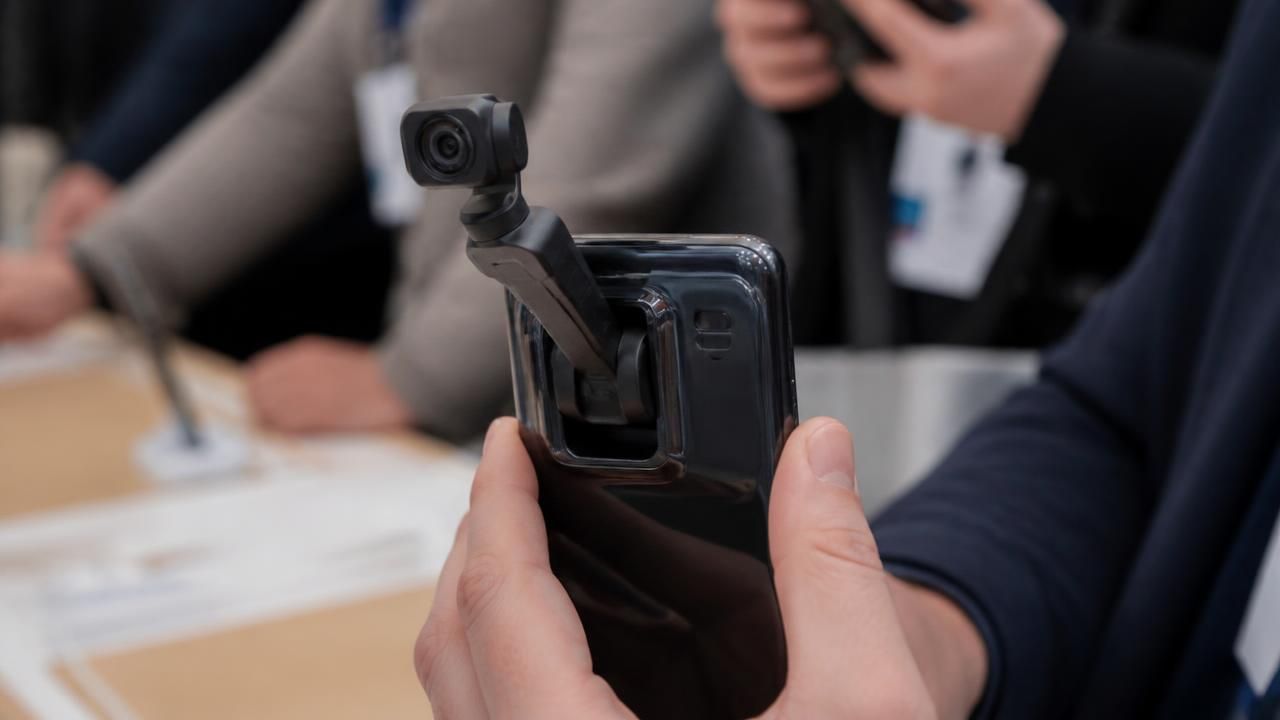
The "Robot Phone" is not actually a robot; it's a high-end Android smartphone with a rather unusual mechanical party trick. The primary camera sits on a miniature gimbal—claimed to be the world's smallest—that unfolds from the back of the device when you need it. It can pan, tilt, and roll to keep subjects stable and locked in frame, much like a DJI Osmo Pocket or a dedicated gimbal for a smartphone.
Honor says the mechanism is smaller than DJI's compact Osmo Pocket line, though the phone remains bulkier than typical flagships. The gimbal is motorized and can be controlled manually or via AI tracking. It can also perform small autonomous movements, such as "nodding" in the direction of a subject—hence the robot moniker. In a world of increasingly homogenous slab smartphones, the Honor Robot Phone is unapologetically distinct.
Key specs at a glance
- 200MP main camera on a motorized gimbal arm
- 7,060mAh battery (one of the largest in any smartphone)
- ARRI collaboration for video tools and color science
- AI-powered subject tracking and autonomous camera movements
- World's smallest gimbal mechanism, claims Honor
Hands-on: "Frankenphone" or the future?
Early reviews are surprisingly positive, albeit tinged with disbelief. The Verge's initial take called it "better than a gimbal in a phone has any right to be," noting that cramming "the equivalent of a DJI Osmo Pocket inside a smartphone sounds like a great way to get the worst of both worlds, but after an hour of testing, I'm cautiously optimistic that Honor has made this Frankenphone work."
"Cramming the equivalent of a DJI Osmo Pocket inside a smartphone sounds like a great way to get the worst of both worlds, but after an hour of testing, I'm cautiously optimistic that Honor has made this Frankenphone work." — The Verge
TechRadar's hands-on was even more effusive: "I spent two hours with the Honor Robot Phone, and this ridiculous, remarkable device made me feel like a kid again." The site compared the experience to "seeing science fiction become a reality." Tom's Guide offered a more pragmatic comparison: "It's like having an opinionated DJI Osmo Pocket 3 stuck to your phone." Some outlets leaned into the weirdness—Mashable called it "wild, and we mean that in the best way," while Expert Reviews affectionately dubbed it "a weird lil guy who loves to dance."
ARRI collaboration: serious video credentials
Honor hasn't just thrown hardware at this idea; it's also partnered with ARRI, the legendary cinema camera manufacturer, to tune the video experience. The ARRI collaboration brings professional-grade color science, 10-bit log recording, and a suite of filmmaking tools directly into the native camera app. For content creators, this elevates the Robot Phone beyond a novelty, giving it genuine video production chops.
This is a significant move for Honor, which is positioning the Robot Phone as a creator-first flagship. The 200MP sensor, combined with gimbal stabilization and ARRI's image processing, aims to deliver the kind of smooth, cinematic footage that would normally require a dedicated gimbal and an external camera.
Why a gimbal in a phone?
The smartphone industry has long flirted with moving camera hardware. Pop-up cameras were a craze a few years ago, and some devices experimented with motorized rotation or sliding modules. But the Robot Phone is the first to integrate a full three-axis gimbal into the camera module itself. It's a solution to a problem—shaky handheld video—that phone makers have typically addressed with software stabilization (OIS/EIS) rather than mechanical hardware.
The advantage of a physical gimbal is superior stabilization, especially for panning and tracking shots. It also opens up new possibilities: the camera can physically follow a subject, smooth out walking footage, and even perform automated "dolly" like moves. It's a direct challenge to the growing category of pocket gimbals like the DJI Osmo Pocket, and some outlets, including Digital Camera World, have speculated that the Robot Phone's gimbal is so good that it "will be banned like the DJI Pocket" in certain venues—a reference to the ban on the Osmo Pocket at concerts and events due to its pro-level recording capabilities.
Mixed reactions at MWC 2026
The phone made waves at MWC 2026, where it was described by Forbes as stealing the spotlight. CNET listed it among the best tech from the show, and Pocket Tactics praised it as "one of the stars of the show" for creator-friendly features. However, not everyone is convinced. Some industry observers see the gimbal as a gimmick—an engineering marvel that adds bulk and complexity for a niche use case. The Verge itself noted it's "a bad robot, an interesting camera, and maybe your friend," acknowledging its split personality.
There's also the question of durability. Moving parts in a smartphone are a reliability concern, and the exposed gimbal arm could be fragile. Honor hasn't commented on IP ratings or drop resistance for the mechanism, though it apparently survived enough hands-on testing at the show.
A new direction for AI-powered smartphones?
Ubergizmo frames the Robot Phone as "a new direction for AI-powered smartphones." The AI isn't just in the camera; it drives the gimbal's autonomous movements and subject tracking. The phone can recognize faces, objects, and even gestures, then move the camera accordingly. This hints at a future where phones become more aware of their surroundings and react physically, not just digitally.
Whether the Robot Phone is a one-off experiment or the start of a new trend remains to be seen. With rival brands like Vivo and Insta360 reportedly working on similar concepts (per 36kr), Honor may have just fired the starting gun on a new arms race in mobile imaging.
Availability
The Honor Robot Phone is launching in China today, with a global rollout expected later. A dedicated HONOR x ARRI event is scheduled to showcase the device's video capabilities. Pricing hasn't been announced, but given the hardware and collaboration, it's likely to sit at the premium end of the market. For now, it's the most talked-about phone in China—and arguably the most distinctive smartphone to emerge this year.