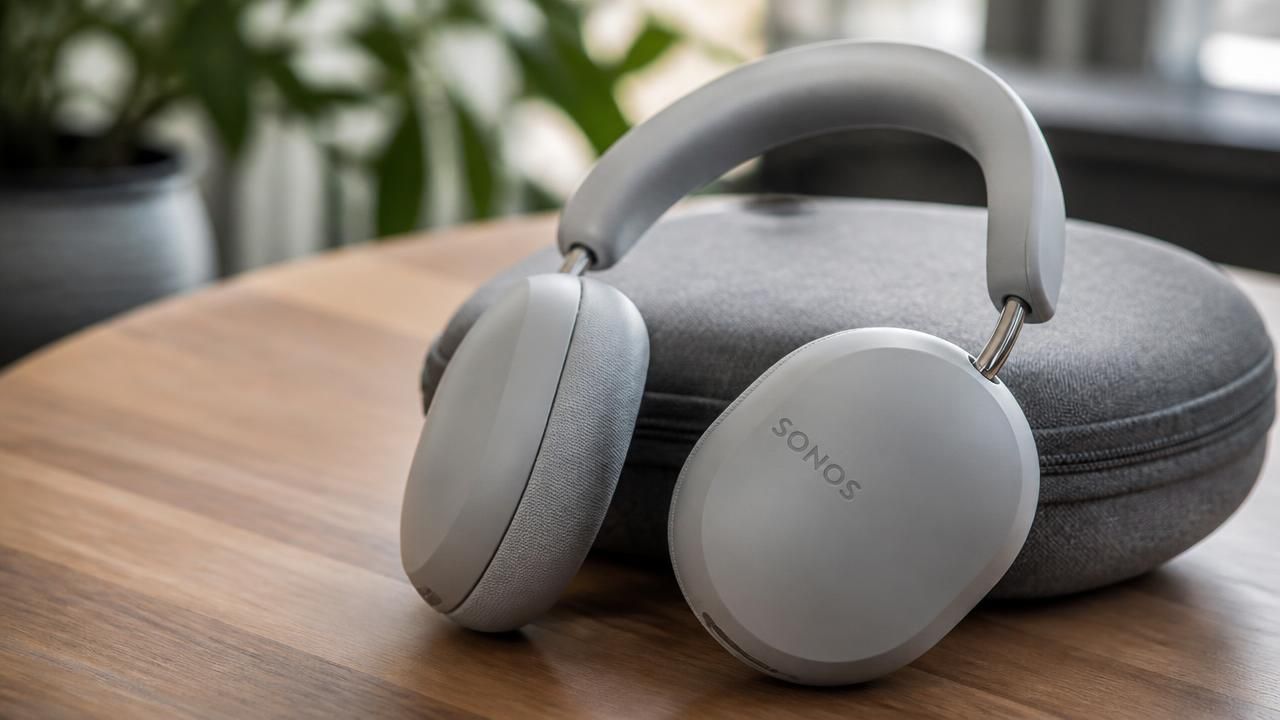
A new chapter in Sonos's audio ambitions has been revealed through a Federal Communications Commission (FCC) filing, pointing to the imminent release of the company's next flagship headphones. The filing, first spotted by What Hi-Fi? and reported by The Verge, details a device with model number S52A, which is widely believed to be the successor to the Sonos Ace wireless headphones. The documents also include a diagram of an ear cup marked “Sonos Ace Ultra,” following the naming pattern Sonos used for its Arc and Arc Ultra soundbars. This suggests the company is preparing to launch the premium headphones as early as this fall, according to CEO Tom Conrad's hint during a third-quarter earnings call.
What the FCC Filing Tells Us
Regulatory filings often provide the first concrete look at unreleased hardware, and the Sonos S52A filing is no exception. The document lists color options and includes a schematic of the ear cup, but the most telling detail is the inclusion of the name “Sonos Ace Ultra.” This nomenclature aligns with Sonos's recent strategy of offering “Ultra” variants of its popular products, as seen with the Arc Ultra soundbar. While the filing does not explicitly list technical specifications, industry observers have noted the presence of Wi-Fi radios, suggesting that the new headphones will support network connectivity beyond standard Bluetooth.
This is a significant departure from the original Sonos Ace, which launched in 2024 with Bluetooth 5.4 and USB-C audio but lacked Wi-Fi streaming. The addition of Wi-Fi could enable seamless integration with Sonos's multi-room ecosystem, allowing users to stream directly to the headphones from services like Spotify and Apple Music without needing a phone as a relay. It might also pave the way for features like automatic software updates and voice assistant support, a capability that MacRumors reports is in the works.
Voice Assistant and Smarter Features
One of the most intriguing aspects of the FCC filing is its indication that the Sonos Ace Ultra will support built-in voice controls. According to MacRumors, the headphones are being positioned as an AirPods Max rival, and voice assistant support would be a key differentiator. While the original Ace lacked native voice assistant integration, the Ultra could work with Sonos's own voice control system or third-party assistants like Amazon Alexa and Google Assistant. This would allow users to control music, manage smart home devices, and receive notifications directly through the headphones.
The integration of Wi-Fi also expands the possibilities for “smart” features. As lowpass.cc notes, Sonos is getting ready to launch the Ace Ultra as part of a broader push to solidify its ecosystem. The company has been working on a Wi-Fi-based portable speaker to compete with the UE Boom, and its collaboration with Ikea on wall-art speakers shows a commitment to blending audio into everyday life. The Ace Ultra, with its connectivity upgrade, could serve as a bridge between personal audio and the home speaker system.
A Struggling Company's Bold Bet
This news comes at a critical time for Sonos. The company has faced significant challenges over the past year, including a botched app redesign that alienated many loyal customers and led to a slowdown in sales. According to a report from ChannelNews, the company is “struggling” and is “taking another punt on AI headphones” to regain its footing. The Ace Ultra, with its advanced features and premium positioning, is a clear attempt to capture a larger share of the high-end headphone market, currently dominated by Apple's AirPods Max and Sony's WH-1000XM series.
However, competition is fierce. Sony is rumored to be preparing its own WH-1000XM6 headphones, which would likely go head-to-head with the Ace Ultra. The FCC filing revealed by The Shortcut suggests Sony's next flagship is on the horizon, ensuring that the premium wireless headphone segment will be crowded by the end of 2025. To succeed, Sonos must not only match the technical specs but also leverage its unique strengths—namely, seamless integration with the Sonos ecosystem and a reputation for high-quality audio.
What to Expect From the Sonos Ace Ultra
While official specifications have not been announced, several credible rumors and filing details give us a clear picture of what to expect:
- Design: The ear cup diagram suggests a similar over-ear design to the original Ace, with likely refinements in materials and comfort.
- Connectivity: Wi-Fi support will be the headline feature, enabling direct streaming and integration with Sonos speakers.
- Voice Controls: Built-in microphones and assistant support are highly probable, though the exact assistant ecosystem remains unconfirmed.
- Battery Life: It is expected to maintain or improve upon the original Ace's 30-hour battery life.
- Price: The Ace launched at $449, and the Ultra version could see a slight premium, possibly $499, aligning with the AirPods Max.
It is worth noting that FCC filings do not guarantee a launch date. The timing hinted by Tom Conrad—fall 2025—seems plausible, as it would align with the holiday shopping season. Sonos likely wants to avoid the missteps of its previous launch, which was criticized for being too bare-bones at the start. The Ace Ultra may ship with a more mature set of features, including the promised voice assistant and Wi-Fi capabilities.
The Bigger Picture
The Ace Ultra is just one piece of Sonos's ambitious roadmap. In addition to the headphones, FCC filings uncovered by The Verge suggest the company is developing a compact Bluetooth speaker to challenge the UE Boom, and its partnership with Ikea points to a new category of decorative, art-integrated speakers. These efforts indicate that Sonos is not content to rest on its laurels in the soundbar and home theater space. Instead, it is aggressively expanding into personal audio and lifestyle products, aiming to become a ubiquitous presence in every room—and on every commute.
For consumers, the Sonos Ace Ultra could be a compelling choice if it delivers on the promise of deep ecosystem integration. Imagine starting a playlist on your Sonos soundbar and seamlessly transferring it to your headphones as you leave the house, with the same voice assistant at hand. That level of interoperability is something neither Apple nor Sony currently offers across their entire product lines. If Sonos can execute flawlessly, it might just turn its struggling fortunes around. The FCC filing is the first step, and all eyes will be on the official announcement expected in the coming weeks.